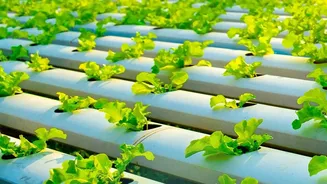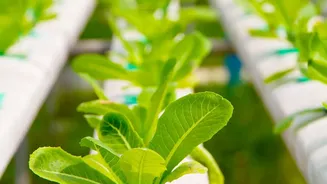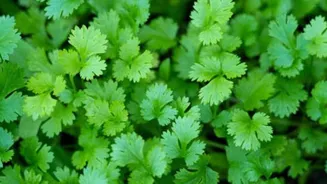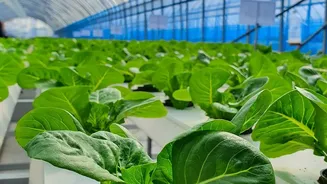


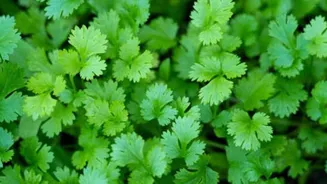
Imagine snipping fresh, aromatic dhaniya for your dal or chutney, even on a gloomy monsoon day. With a simple indoor hydroponic setup and the right LED grow lights, a year-round supply of this essential herb is easier than you think.
Why Go Soil-Free with Hydroponics?
Hydroponics is a method
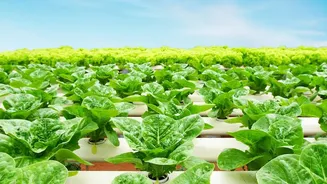
of growing plants without soil, using a water-based nutrient solution instead. For urban homes and apartments where garden space and direct sunlight are luxuries, this technique is a game-changer. Coriander, or cilantro, grown hydroponically often grows faster than its soil-bound counterparts because nutrients are delivered directly to the roots. This method also eliminates common gardening woes like soil-borne pests, diseases, and the general mess of dealing with dirt indoors. By controlling the environment—specifically light, water, and nutrients—you can create the perfect conditions for your coriander to thrive, regardless of the season outside.
Your Essential Hydroponics Toolkit
Getting started doesn't require a commercial-grade setup. For home growers, a simple Deep Water Culture (DWC) or a Kratky method system is highly effective and easy to assemble. Your basic shopping list will include a container or reservoir (an opaque plastic tote works well), net pots to hold the plants, a growing medium like coco peat or rockwool cubes, and an air pump with an air stone for DWC systems to oxygenate the water. You'll also need a balanced, two-part hydroponic nutrient solution formulated for leafy greens, as coriander needs plenty of nitrogen to produce lush leaves. Finally, a pH testing kit is crucial for ensuring the water is in the optimal range for nutrient absorption, which for coriander is typically between 5.5 and 6.5.
The Power of LED Grow Lights
When natural sunlight is inconsistent or insufficient, LED grow lights are your best friend. Unlike regular household bulbs, these are specifically designed to emit the light spectrums that plants use for photosynthesis. For leafy herbs like coriander, a full-spectrum LED light is the ideal choice, as it mimics natural sunlight and supports healthy vegetative growth. Look for lights that provide data on their Photosynthetic Photon Flux Density (PPFD), which measures the amount of usable light reaching your plants. Coriander doesn't need excessively intense light; a moderate intensity is sufficient. Plan to give your plants a consistent light schedule of 12 to 16 hours per day, using a simple plug-in timer to automate the process. Position the light about 12–18 inches above your plants, adjusting as they grow.
From Seed to Sprout
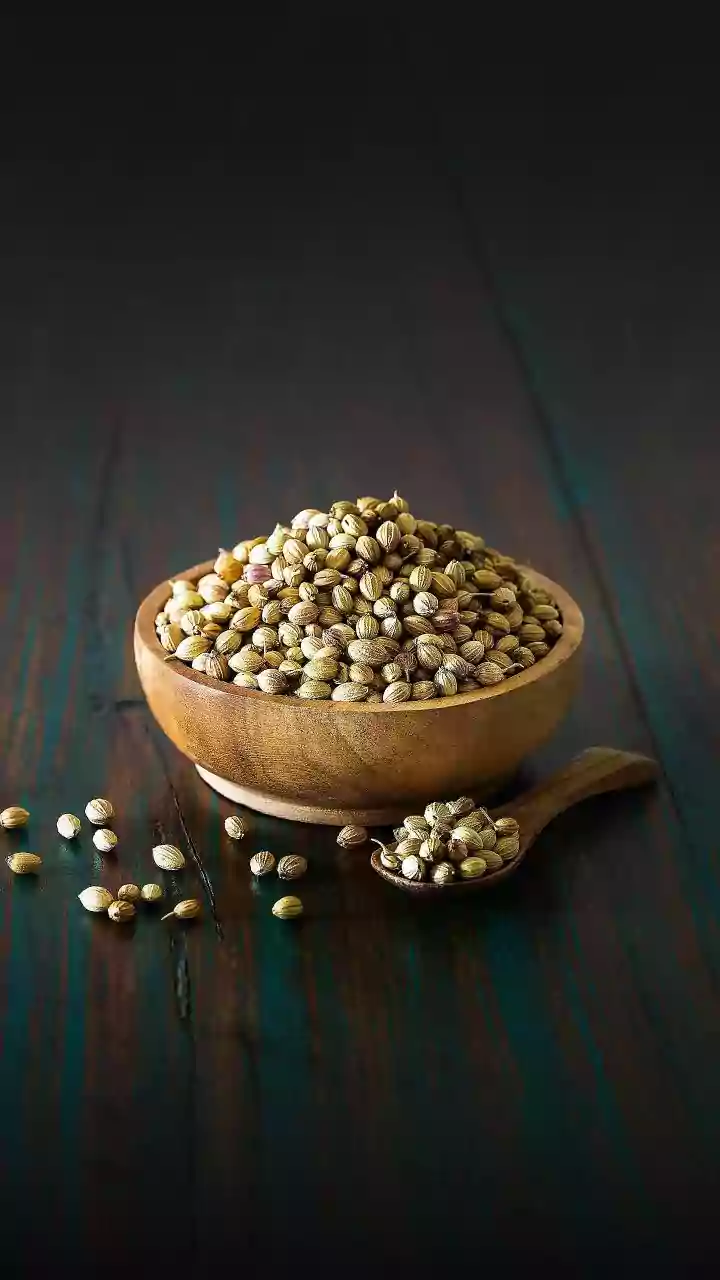
Coriander seeds can be tricky to germinate because the hard outer husk slows down water absorption. A reliable method is to gently crack the seed husk before pre–sprouting them. Place the seeds between moist paper towels, put them in a dark, warm place, and you should see sprouts within 7 to 10 days. Once the seedlings have developed their first true leaves and roots are poking through, they are ready to be transferred into the net pots of your hydroponic system. Be gentle during this process, as coriander doesn't like having its young roots disturbed. At first, fill your reservoir with plain, pH–balanced water. Wait a few days for the seedlings to establish before adding the nutrient solution at a diluted strength, gradually increasing it as the plants mature.
Preventing Common Problems
The most common issue with growing coriander is 'bolting', where the plant prematurely flowers and stops producing tasty leaves. Heat is the primary trigger for bolting. By growing indoors, you can maintain a cooler environment, ideally between $15°C$ and $22°C$, to prolong the leaf–producing stage. Ensure good air circulation and don't place your lights too close, as this can raise the leaf temperature. Another tip is to harvest regularly. Once your plants are about $15$ cm tall, start cutting the outer leaves first. This encourages bushier growth and can delay bolting, giving you a continuous harvest for weeks from the same plant.