


A Treasure Born of Rain
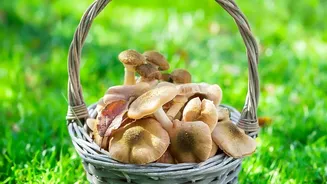
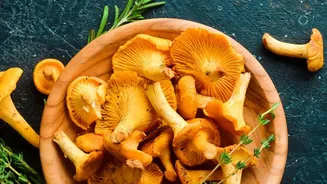
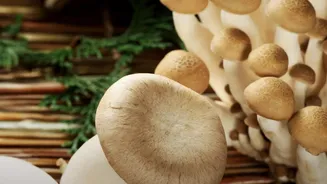
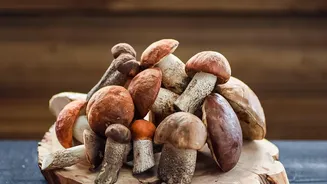
Forget the button mushrooms available year-round. The current buzz in India's food scene is about something far more ephemeral and exciting: wild mushrooms that appear only for a few weeks during the monsoon. This trend is the epitome of hyperlocal eating,
celebrating ingredients that are deeply tied to a specific place and time. From the coastal belts of the Western Ghats to the dense Sal forests of the east, the rains trigger a spectacular, short-lived bounty. Chefs and home cooks alike are embracing these foraged fungi, which offer a direct and delicious connection to the local landscape and a taste that simply cannot be mass-produced. This scarcity and seasonality are precisely what make them a prized culinary experience, turning a simple meal into an event.
Forest Floor to Fine Dining
This movement is being championed by a new generation of Indian chefs who are looking inward for inspiration. Restaurants across the country are placing indigenous and foraged ingredients at the heart of their menus, moving beyond predictable fare to showcase the true biodiversity of the subcontinent. These culinary experts are travelling to remote villages, collaborating with local communities, and rediscovering ingredients that have been part of traditional diets for centuries. The monsoon mushroom is a perfect hero for this story. Chefs are not just adding them to dishes; they are building narratives around them, explaining their origins and celebrating the foragers who bring them from the forest. This 'locavore' mindset treats every ingredient as part of a larger ecosystem, creating dishes that are both innovative and deeply rooted in tradition.
A Taste of India's Terroir
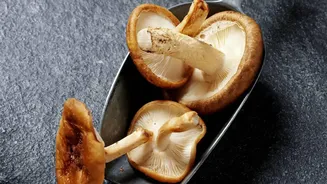
The stars of this seasonal trend vary dramatically by region, each with a unique flavour and story. In Goa and along the Konkan coast, the most prized variety is the 'Olmi' or 'Alambi' mushroom. This species of Termitomyces grows exclusively on or near termite mounds and is so revered it is often called 'Goa's Truffle' for its meaty texture and nutty, earthy taste. In Jharkhand, parts of Odisha, and West Bengal, the 'Rugda' or 'Putu' mushroom is celebrated as 'vegetarian mutton'. This puffball-like fungus grows at the base of Sal trees and is known for its unique texture. Meanwhile, the forests of the Western Ghats are home to dozens of edible species, each known to local tribal communities by specific vernacular names that often describe their habitat or appearance.
More Than Just a Meal
The growing passion for wild mushrooms and other hyperlocal ingredients is about much more than just flavour. It represents a broader cultural shift towards sustainability, conscious consumption, and the preservation of traditional knowledge. By creating demand for foraged produce, chefs and consumers support the livelihoods of indigenous communities who have been the custodians of this ecological knowledge for generations. This trend also helps preserve agricultural biodiversity, which is often threatened by commercial monoculture. It encourages a connection to our food systems, reminding us that what we eat is intrinsically linked to the health of our environment. Foraging, when done responsibly, fosters a deeper appreciation for nature and the delicate cycles that sustain it.
The Forager's Responsibility
While the romance of foraging is undeniable, it comes with a significant responsibility. The knowledge to distinguish edible mushrooms from their toxic lookalikes has been passed down through generations and is not to be taken lightly. Experts strongly advise against foraging without expert guidance, as a mistake can be dangerous. The safest way to enjoy these monsoon delicacies is to buy them from trusted local vendors, often tribal women who sell their harvest in regional markets. They possess the invaluable traditional knowledge to identify safe and prime-quality mushrooms. Supporting them not only ensures your safety but also helps sustain the very culture that keeps this incredible food tradition alive.