



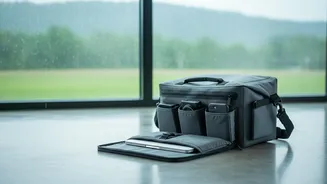

The All-Rounder: A Quality Waterproof Backpack
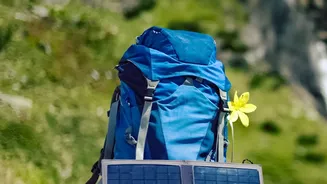
Your first line of defence should be the bag carrying your gear. While many backpacks are labelled "water-resistant," this often means they can only handle light showers. For serious protection, invest in a truly waterproof backpack. These bags are typically
made from materials like PVC-coated nylon or TPU and feature welded seams instead of stitched ones, which prevents water from seeping through. A roll-top closure is another key feature that creates a watertight seal, ensuring the contents remain completely dry even in a heavy downpour. Look for models with dedicated padded compartments to protect laptops and other devices from impact as well as moisture.
For Your Phone: A Waterproof Pouch
A waterproof phone pouch is an essential, inexpensive accessory for any traveller. These cases provide a secure seal, allowing you to use your phone's touchscreen, take photos, and make calls even in wet conditions. High-quality pouches are rated for submersion (often with an IPX8 rating), meaning your phone is safe even if it's dropped in water. Many modern versions also include built-in flotation, so if your phone goes overboard during a boat trip or water activity, it will stay on the surface for easy retrieval.
Targeted Defence: Dry Bags
For an extra layer of security, especially for items inside a non-waterproof bag, use dry bags. Originally popular in watersports like kayaking, these are lightweight, flexible bags that create a watertight seal when you roll down the top and buckle it shut. They come in various sizes, making them perfect for organising and protecting everything from a large camera and lenses to smaller items like power banks and hard drives. The principle of "double waterproofing"—placing electronics in a dry bag inside your main backpack—offers peace of mind in the most challenging weather.
The DIY Solution: Ziplock and Garbage Bags
When you're in a pinch, simple household items can be surprisingly effective. A sturdy ziplock bag can offer a good seal for smaller devices like phones and power banks. For larger items like a laptop, a heavy-duty garbage bag can serve as an effective inner liner for your backpack. While not as durable or reliable as a purpose-built dry bag, this low-cost method can provide crucial protection during an unexpected cloudburst. Always ensure you seal them as tightly as possible to prevent water from getting in.
Combating Condensation: Silica Gel Packets
Water damage isn't just about direct rain; high humidity and condensation can also be a threat, especially when moving between cold, air-conditioned rooms and hot, humid outdoors. This is where silica gel packets become incredibly useful. These small desiccants absorb moisture from the air, keeping the environment inside your camera case or laptop bag dry. Tossing a few packets into your electronics bags helps prevent the slow, insidious damage caused by corrosion and internal condensation, extending the life of your devices.
Specialised Gear: Camera Rain Covers
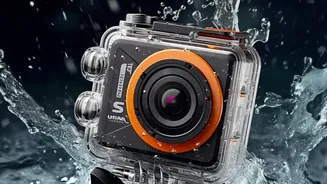
For photographers, a dedicated camera rain cover is a worthwhile investment. These covers are designed to fit snugly over your camera and lens, with transparent sections that allow you to see your settings and operate the controls. This lets you keep shooting even when it's raining, without risking damage to your expensive equipment. They are far more practical than trying to shoot with a camera wrapped in a plastic bag, offering better handling and protection. Many outdoor and adventure stores sell a variety of models suitable for different camera sizes.