



The Joy of a Greener Workspace
Before we dive into the specifics of our two feature plants, it's worth noting why a desk plant is such a good idea in the first place. Beyond pure aesthetics, having greenery in your workspace or bedroom can positively impact your well-being. Studies
have shown that interacting with indoor plants can help reduce stress and promote a sense of calm. They introduce an organic, living element into a space often dominated by screens and hard lines, potentially boosting productivity and improving your mood. A small plant is a simple, effective way to make your personal space feel more alive and less sterile.
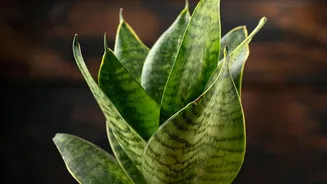
Meet the Snake Plant: The Survivor
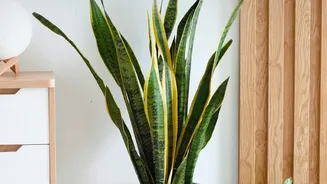
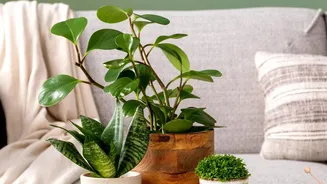
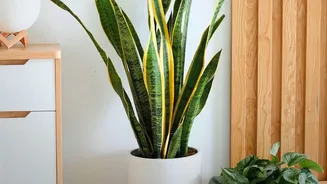
The Snake Plant, formerly known as Sansevieria and now classified under Dracaena, is the undisputed champion of low-maintenance greenery. Its stiff, architectural leaves grow vertically, making it a great choice for tight spaces where you want height without a wide footprint. These plants are incredibly forgiving and seem to thrive on neglect. They tolerate a wide range of lighting conditions, from bright, indirect light to lower-lit corners of a room. Their watering needs are minimal; it's best to let the soil dry out completely between waterings, as they are prone to root rot if overwatered. For a beginner, this is a plant that's very hard to kill. A quick note for pet owners: snake plants contain compounds called saponins, which are mildly toxic to cats and dogs if ingested, potentially causing nausea and vomiting, so it's best to place them out of reach of curious pets.
Meet the Pothos: The Trailing Classic
Often called Devil's Ivy, the Pothos is another all-star for new plant parents. Known for its heart-shaped leaves and vigorous, trailing vines, it can be left to cascade beautifully from a shelf or the edge of a desk. Pothos is adaptable to various light levels but does best in bright, indirect light to maintain its variegation—the beautiful patterns of yellow, white, or cream on its leaves. Like the snake plant, it doesn't like to be overwatered. A good rule of thumb is to water it thoroughly when the top inch or two of soil feels dry, or even when you notice the leaves just starting to droop. It's a fast grower, which can be very rewarding for beginners. Similar to snake plants, Pothos contains calcium oxalate crystals, making it toxic to pets if they chew on it, which can cause mouth irritation and digestive upset.
The Air-Purifying Claim: Fact vs. Fiction
Both Snake Plants and Pothos are frequently advertised as top air-purifying plants, a claim that dates back to a 1989 NASA study. The study did find that certain houseplants could remove volatile organic compounds (VOCs) like formaldehyde and benzene from the air in a sealed, controlled environment. However, modern research and analysis have put this into perspective for the average home. To achieve any significant air purification in a typical room, you would need an enormous number of plants—far more than the one or two you might place on a desk. While they do release oxygen and can remove trace amounts of pollutants, their effect on your home's overall air quality is generally considered negligible. It's better to think of this as a small, potential bonus rather than the primary benefit.
Which Plant is Right For Your Desk?
So, how do you choose? It really comes down to your space and aesthetic preference. If you have limited desk space and want something with a strong, vertical, modern look, the Snake Plant is your perfect match. It takes up very little horizontal room and requires the least amount of attention. If you love a more lush, classic plant look and have space for its vines to trail, the Pothos is an excellent choice. It grows faster, providing a more immediate sense of a 'green' space. Pothos is also slightly more communicative, often drooping a bit to let you know it's thirsty. Both are incredibly resilient options that can tolerate a bit of forgetfulness, making either one a fantastic starting point for a budding plant enthusiast.