
What is This Ancient Bread?
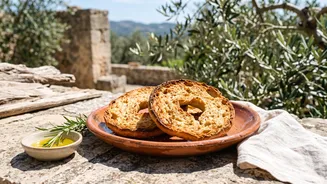
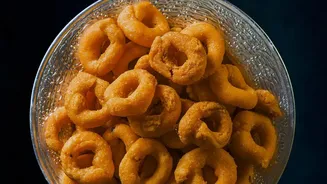
At first glance, a frisella might look like a rustic, oversized bagel that has been cut in half. Hailing from Southern Italy, particularly the regions of Puglia, Calabria, and Campania, friselle (the plural of frisella) are a type of twice-baked bread.
Traditionally made from durum wheat or barley flour, the dough is shaped into rings, baked once, sliced horizontally while still warm, and then baked a second time until completely dry and hard. This process, known as 'biscotto' (literally 'twice-cooked'), results in a bread that is incredibly durable, with one smooth side and one rough, porous side perfect for soaking up flavours.
A History Baked in Necessity
The origins of friselle are deeply practical. Dating back centuries, they were the ideal food for those who travelled for long periods. Fishermen spending days at sea and farmers working in remote fields needed sustenance that wouldn't spoil. Friselle, being completely devoid of moisture, were the perfect solution. They could be stored for months without refrigeration, ready to be eaten whenever hunger struck. Historical sources suggest versions of this durable bread were consumed by sailors and merchants as early as the 10th century. They were so vital for long journeys that they are sometimes called the 'bread of the Crusaders', as they were a key provision for Christian troops heading to the Holy Land.
The Secret to Its Longevity
The unique, long-lasting nature of friselle comes entirely from the double-baking method. The first bake cooks the dough through, making it stable enough to be sliced. The second, slower bake is the crucial step; it draws out every last bit of moisture, essentially preserving the bread and making it resistant to mould. When stored correctly in a dry, airtight container, friselle can last for many weeks, with some bakers claiming they can remain good for up to a year. This incredible shelf life is what sets it apart from nearly all other breads, which begin to stale within days. It is a testament to the ingenuity of ancient culinary traditions, creating a sustainable food source long before modern preservation techniques existed.
How to Prepare and Enjoy Friselle
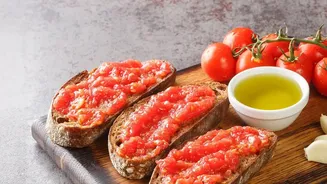
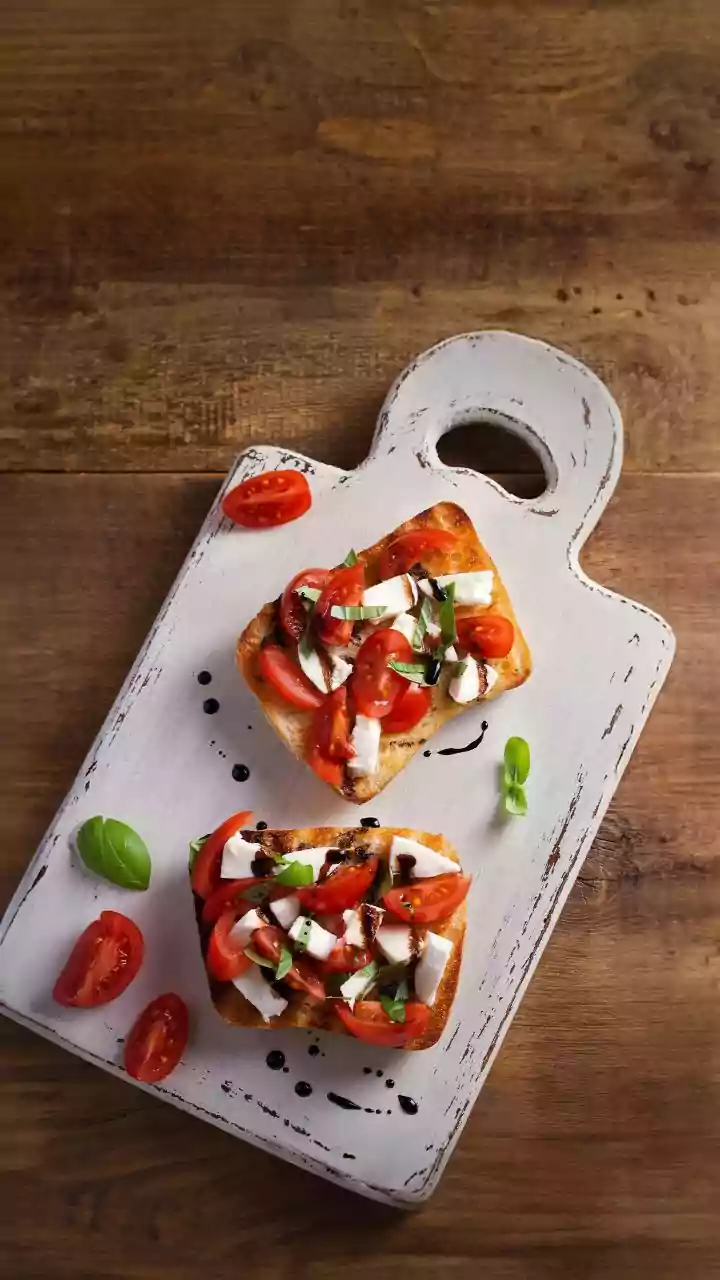
Eating a frisella straight from the bag is not recommended—it would be a serious challenge for your teeth. The essential step is rehydration. Traditionally, this was done by dipping the hard bread in seawater for a few seconds. Today, a quick dip in a bowl of cold water for three to five seconds is all that is needed. This softens the bread just enough, leaving it pleasantly yielding but still with a satisfyingly firm base. The rough, porous inner texture is designed to absorb liquid without becoming mushy. Once softened, the classic way to enjoy a frisella is 'alla Caprese' style: topped with fresh, chopped cherry tomatoes, a generous drizzle of extra virgin olive oil, salt, and a sprinkle of oregano. The juices from the tomatoes further soften and flavour the bread, creating a simple yet perfect meal.
A Versatile Pantry Staple
While the classic tomato topping is iconic, the frisella is a wonderfully versatile canvas for countless flavours. In a way, it serves as an Italian alternative to avocado toast, pairing beautifully with mashed avocado and ricotta. Other popular toppings include Mediterranean flavours like olives and tuna, or even spreadable cheeses with smoked salmon. You can crumble it into salads for a 'Panzanella' style dish or even enjoy it with sweet toppings like honey or jam for breakfast. Its adaptability and long life make it an ideal staple for any modern pantry, ready to be transformed into a quick, delicious, and satisfying snack or light meal at a moment's notice.