








A New Hub for Innovation
On August 3, 2026, the Union Textiles Minister inaugurated the Centre of Excellence for Handloom Technology (CoE-HT) at the Indian Institute of Technology (IIT) Delhi. This new centre is envisioned as a major step towards integrating advanced technology
and research into India's traditional weaving practices. Its mission is to serve as a hub for research and development focused on boosting productivity, sustainability, and the overall competitiveness of the handloom industry. The CoE-HT will concentrate on several key areas, including loom modernisation, ergonomics to reduce weaver strain, the use of artificial intelligence, sustainability practices, and digital technologies. This initiative represents the government's strategy of combining the nation's rich weaving heritage with cutting-edge solutions to build a future-ready ecosystem.
What Does 'Loom Modernisation' Mean?
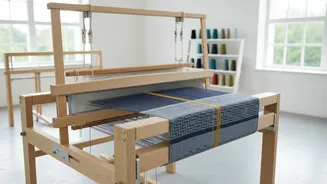
The term 'modernisation' often sparks fears of replacing skilled artisans with machines. However, in the context of handloom, it's more nuanced. It is generally not about replacing handlooms with power looms, which would fundamentally change the fabric's character. Instead, modernisation focuses on upgrading existing handlooms. This can involve adding attachments and kits to improve efficiency and quality, such as weft and warp stop motions, anti-crack devices, and replacing old parts with self-lubricating ones. The goal is to reduce the physical toll on weavers, increase their output, and allow for more complex designs without sacrificing the 'handmade' essence. The new Centre at IIT Delhi will research such ergonomic and technological upgrades to make the weaving process less laborious and more productive.
The Argument for a Tech-Driven Approach
Proponents argue that technological intervention is vital for the survival and growth of the handloom sector. One of the biggest challenges for weavers is low and unstable income. The Fourth Handloom Census (2019-20) showed that 67% of weavers still earned less than ₹5,000 a month. By increasing productivity, modernised looms can help weavers earn a better livelihood. The government's ambition is to see weavers' annual income rise to at least ₹5-6 lakh. Furthermore, technology can help standardise production to meet modern retail demands, improve product quality, and create a digital repository of traditional designs to prevent them from being lost. Initiatives like AI-enabled tools and digital monitoring apps are being launched to support this transformation.
Preserving a Priceless Heritage
Despite the potential benefits, the push for modernisation is met with valid concerns. There is a deep-seated fear that technology could dilute the unique character and imperfections that make handwoven textiles so prized. The sector employs over 3.5 million people, with women making up nearly 70% of the workforce, and it is a vital part of rural livelihoods and cultural identity. The core of the handloom tradition is the skill passed down through generations, and many worry that over-reliance on technology could erode this knowledge base. The challenge is to ensure that innovation supports the artisan rather than replacing them. The very definition of handloom is its manual operation, and preserving this distinction is crucial for maintaining its authenticity and market value against cheaper, power-loom-made imitations.
Beyond the Loom: A Sector of Challenges
Technology alone cannot solve all the problems facing India's weavers. The industry is plagued by a host of other issues, including fierce competition from fast fashion and power looms, rising costs of raw materials like yarn and dyes, and limited access to markets. Weavers are often dependent on intermediaries, which reduces their profit margins and bargaining power. Younger generations are increasingly leaving the profession in search of more stable and lucrative employment, leading to a workforce crisis and the potential loss of traditional skills. Therefore, any successful strategy must be holistic, addressing not just the loom itself but also improving supply chains, providing direct market access through e-commerce, and ensuring fair wages.