







The Modern Tiffin Service
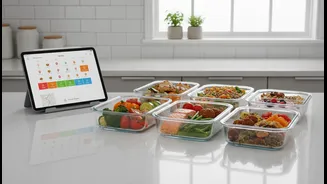
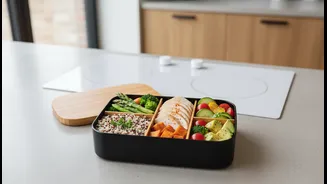
Think of healthy meal subscriptions as the new-age evolution of the classic tiffin service. Instead of a standard daily menu, these services offer curated, calorie-counted, and often customisable meal plans designed to meet specific health goals. Whether
you're aiming for weight loss, muscle gain, or simply want to eat a balanced diet, there's likely a plan for you. These services focus on providing freshly prepared, ready-to-eat meals, removing the guesswork and effort from your daily nutrition. Unlike restaurant delivery apps that encourage spontaneous, often unhealthy choices, meal subscriptions are about establishing a routine of consistent, planned eating.
The Ultimate Convenience
The primary appeal of these services is the immense time they save. For busy professionals, students, and families in urban India, the hours spent on meal planning, grocery shopping, cooking, and cleaning up are significant. A subscription service eliminates these chores, freeing up valuable time for work, family, or personal pursuits. The convenience extends beyond just time; it also reduces the mental load of deciding what to eat every day. With a pre-selected menu, you have one less decision to make in a day already filled with choices, which helps in building consistent, healthy eating habits with minimal effort.
Taking Control of Portions
One of the most significant health benefits offered by meal subscriptions is built-in portion control. Each meal arrives pre-portioned, taking the guesswork out of serving sizes and helping you avoid both overeating and under-eating. This is especially useful for anyone trying to manage their weight or track their calorie and macronutrient intake for fitness goals. Many services provide detailed nutritional information for each meal, empowering you with the knowledge to make informed choices about what you're consuming and ensuring you're hitting your wellness targets.
The Impact on Your Food Budget
At first glance, meal subscriptions can seem more expensive than cooking at home. A single meal can cost anywhere from ₹150 to over ₹400, depending on the city and the type of plan. However, the real cost is more complex. When you factor in the money saved from reduced food waste, fewer impulse purchases of groceries you don't use, and cutting down on expensive last-minute takeaway orders, the financial picture can change. For many, the time saved is also a crucial economic factor. While a monthly subscription might range from ₹6,000 to ₹15,000, it provides budget predictability and can prevent the slow drain from daily delivery app fees and unplanned restaurant meals.
Potential Downsides to Consider
Despite the benefits, there are drawbacks. Some users report 'menu fatigue' from a limited rotation of dishes. The cost, while justifiable for some, remains a significant barrier for others compared to home cooking. Another major concern is environmental. While many companies are shifting towards sustainable materials like bagasse or areca palm leaf containers, the industry still generates a considerable amount of packaging waste from single-serving containers and delivery logistics. There's also a loss of spontaneity; you can't just decide to cook a new recipe or go out for dinner without potentially