



Beyond Bulky Rooftop Panels
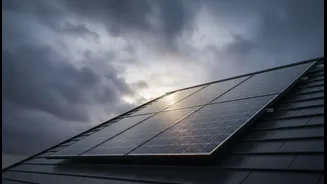
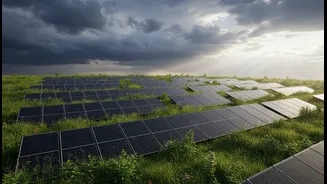
For decades, solar power has been synonymous with large, rigid, silicon-based panels mounted on rooftops or in vast solar farms. While effective, they have limitations: they are heavy, require significant space, and their efficiency drops sharply in less-than-ideal
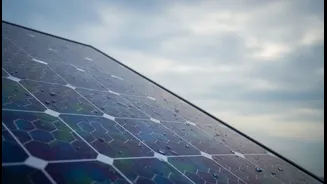
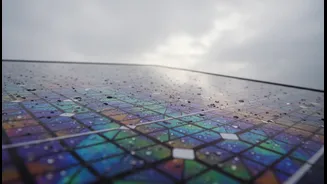
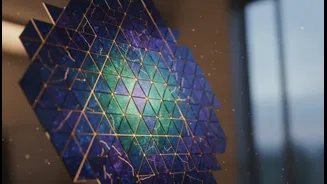
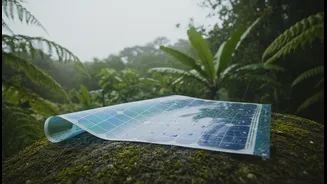
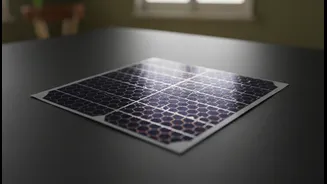
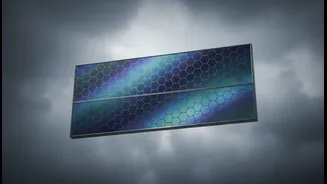
light. A new frontier in solar technology is addressing these challenges head-on with thin-film solar cells. These cells are made from materials deposited in incredibly fine layers—sometimes thinner than a human hair—onto a flexible substrate. The key players in this space include materials like amorphous silicon, organic photovoltaics (OPV), and perovskites. These materials are not only lightweight and flexible but also have a unique ability to capture a wider spectrum of light, making them exceptionally good at generating power in low-light environments.
The Science of Capturing Shadows
How do these panels succeed where traditional ones struggle? The answer lies in their material science. Conventional silicon panels are optimised for direct, bright sunlight. In contrast, materials like perovskites and organic polymers are inherently better at capturing the diffuse, ambient light typical of indoor spaces or overcast days. Research has shown that some of these new cells can achieve remarkable efficiency levels under artificial indoor lighting, such as from fluorescent or LED lamps. In some cases, perovskite cells have demonstrated double the efficiency of silicon cells in low light. This makes them ideal for a completely new range of applications, moving solar power from a macro-scale energy source to something that can be integrated into our immediate environment.
Powering Everything, Everywhere
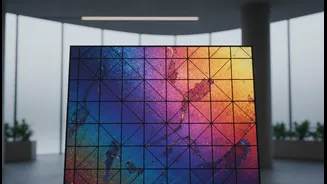
The potential applications for this technology are vast and transformative, particularly in a country like India with its diverse climates and rapidly growing need for decentralised power. Imagine window panes that generate electricity, or building facades in dense urban areas that contribute to the power grid. During the monsoon season, when traditional solar output dips, these panels could continue to generate a consistent supply of energy. Their lightweight and flexible nature means they could be deployed on surfaces that can't support heavy panels, from vehicle roofs to temporary shelters in remote areas. On a smaller scale, this technology could power the ever-growing Internet of Things (IoT) ecosystem—from smart sensors in agriculture to electronic devices indoors—potentially eliminating the need for billions of disposable batteries.
From Lab to Rooftop: The Hurdles Ahead
While the promise is enormous, there are still challenges to overcome before ultra-thin solar panels become ubiquitous. One of the main hurdles is durability and lifespan. Traditional silicon panels are known for their robustness, often lasting 25 years or more. Some thin-film materials can degrade more quickly when exposed to moisture and UV radiation. Another significant challenge is scaling up production from laboratory prototypes to large, industrial roll-to-roll manufacturing while maintaining high efficiency and low cost. Additionally, some of the most promising materials, like cadmium telluride, involve toxic elements that raise environmental concerns, prompting a push towards safer, more sustainable alternatives like lead-free perovskites and organic polymers.