


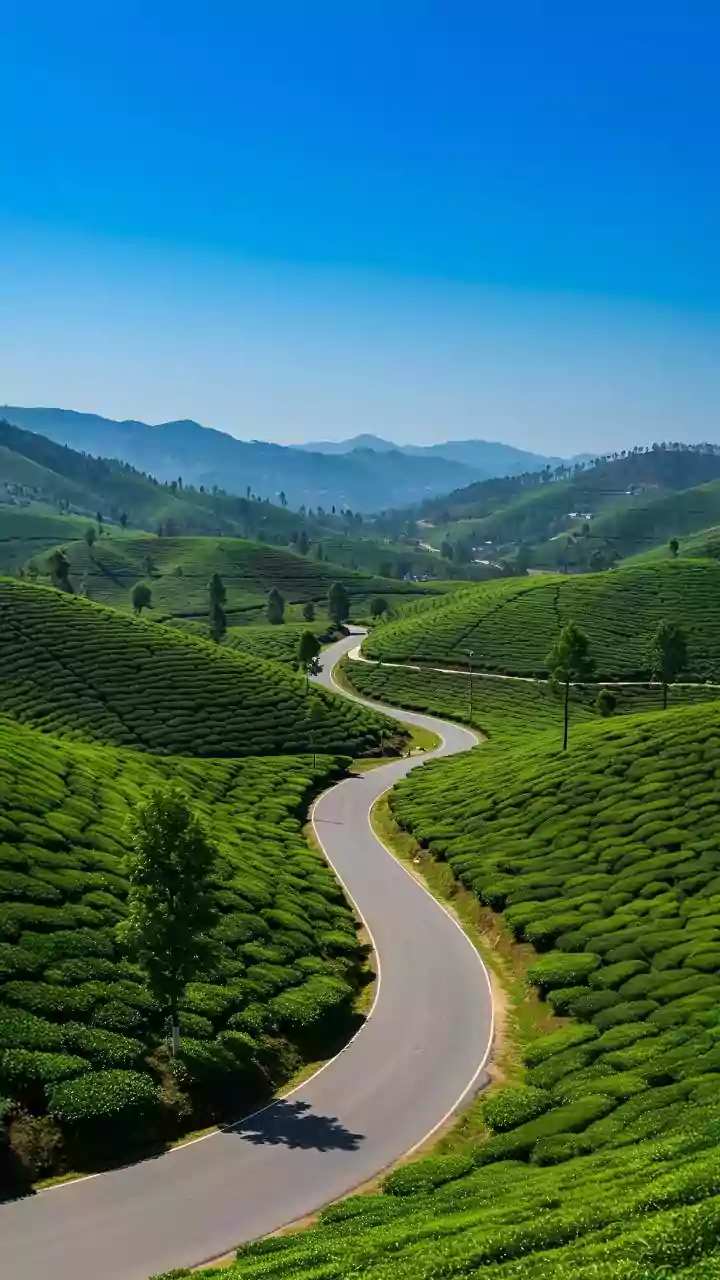


The Familiar Chaos of a Long Weekend
Mention a trip to Shimla, Manali, or Mussoorie during peak season, and you’ll likely be met with a weary sigh. These beloved destinations, once serene retreats, now often feel like extensions of the cities people are trying to escape. Recent years have
seen an explosion in tourist numbers, fuelled by heatwaves in the plains and the aspirational pull of social media. The result is predictable: towns built for a fraction of the current population are buckling under pressure. Traffic congestion is no longer just on the highways leading to these towns; it’s a constant feature within them, turning Mall Roads into parking lots and frustrating both visitors and locals. Reports of tourists being stuck for hours, running out of food and water, have become distressingly common, transforming a planned vacation into a punishing ordeal.
The Unpaved Path to Serenity
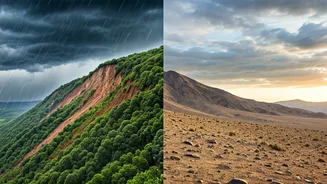
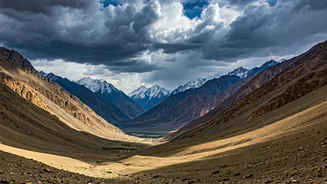
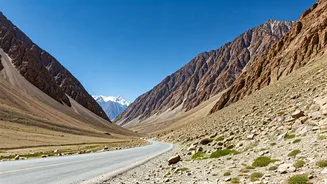
Now, consider a different kind of journey. One that involves leaving the smooth tarmac behind for broken, winding roads where progress is slow and careful. This is the reality of reaching places like Spiti Valley, parts of Arunachal Pradesh, or remote corners of Uttarakhand. The headline isn't just a clever phrase; it’s a lived experience for many travellers. The state of the road acts as a powerful, albeit unofficial, filter. A family looking for a casual weekend getaway is unlikely to choose a route known for landslides, bone-jarring stretches, and the need for a high-clearance vehicle. These roads demand patience, planning, and a certain appetite for adventure, effectively weeding out the massive crowds that flock to more accessible spots.
A Tale of Two Journeys
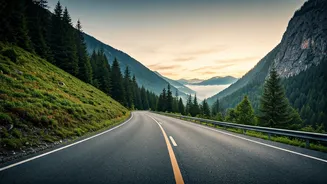
The contrast between driving to Manali and driving to Kaza in Spiti Valley is a perfect illustration. The highway to Manali, while often congested, is a relatively straightforward path for most passenger cars. In contrast, the route from Manali to Kaza is notoriously difficult, featuring the treacherous Gramphu-Losar stretch, which is often described as one of the most dangerous roads in the world. It’s a route that remains closed for about eight months of the year due to heavy snow and opens only to the most determined drivers. While the Shimla-Kaza route is comparatively better, it still presents significant challenges. Those who complete these journeys are often seasoned travellers, motorcyclists, or those who specifically seek out remote landscapes. The destination, as a result, feels entirely different—quieter, less commercialised, and more connected to its natural surroundings.
Accidental Preservation and Its Dilemma
This filtering effect is a classic double-edged sword. On one hand, poor infrastructure is a sign of neglect. It poses real dangers to travellers and isolates local communities, hindering their access to essential services and economic opportunities. On the other hand, it has inadvertently become one of the most effective tools for preservation. By limiting the sheer volume of visitors, these difficult roads protect fragile Himalayan ecosystems from the strain of overtourism—a crisis defined by overflowing waste, water shortages, and habitat destruction. Destinations like Chopta in Uttarakhand or Ziro Valley in Arunachal remain relatively untouched precisely because they aren’t easy to get to. Their inaccessibility has guarded their cultural authenticity and natural charm.
Is Building More Always the Answer?
There is a constant push to improve connectivity, with projects aimed at widening highways and building all-weather roads to remote areas. While these initiatives are crucial for safety and regional development, they also raise an important question: what happens when the filter is removed? When the treacherous road to a hidden gem becomes a four-lane highway, the very peace that made it special is often the first casualty. As improved access compresses millions of visitors into a few short months, the risk of environmental degradation and the loss of local character increases exponentially. Finding a balance between safe, reliable infrastructure and managing tourist footfall is the critical challenge facing these regions.