







Why the Monsoon Challenges Your Immunity
The rainy season creates the perfect environment for bacteria and viruses to thrive. The high humidity can slow down our digestive system, making us more susceptible to stomach infections, bloating, and acidity. [10, 16] Water-borne diseases are also
more common, as contaminants can easily find their way into our food and water supply. [10, 17] This combination of factors means our immune system has to work overtime. A thoughtful diet focused on light, fresh, and immunity-boosting foods can make a significant difference in keeping you protected. [15, 22]
Immunity-Boosting Powerhouses
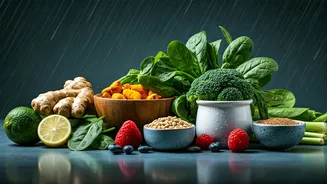
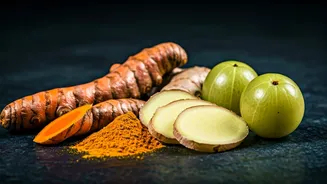
Arm your body with nature's best defenders. Spices like turmeric, ginger, and garlic are celebrated for their powerful anti-inflammatory, antiviral, and antibacterial properties. [6, 14, 27] Turmeric contains curcumin, ginger has gingerol, and garlic provides allicin—compounds that help strengthen your immune response. [6, 27, 29] Incorporate them into your daily cooking, or enjoy a warm herbal tea made with ginger and tulsi. [8] Citrus fruits like lemons and oranges, along with amla and guava, are packed with Vitamin C, which is crucial for producing the white blood cells that fight off infections. [5, 14, 20] A simple squeeze of lemon over your dal or salad can be a powerful addition. [14]
Guardians of Your Gut Health
A healthy gut is the foundation of a strong immune system. The monsoon can be tough on digestion, so it's wise to focus on foods that are easy to process. [4] Probiotics found in homemade curd (yoghurt) and buttermilk are excellent for maintaining a healthy balance of gut bacteria. [2, 10] Opt for light, warm, and freshly cooked meals like khichdi, dal, and vegetable soups. [4, 7, 13] These dishes are not only comforting on a rainy day but also gentle on your digestive system. [8] Including fibre from sources like oats, brown rice, and well-cooked gourds (like lauki and turai) helps maintain regular bowel movements. [10, 25]
Hydration Helpers Beyond Water
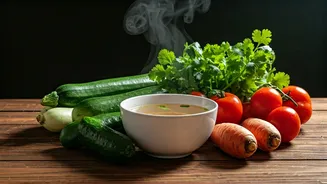
While we may not feel as thirsty in the cooler monsoon weather, staying hydrated is essential for flushing out toxins. [4] Instead of cold drinks, which can disrupt digestion, turn to warm liquids. [24] Comforting vegetable soups, clear broths, and herbal teas are excellent choices. [2, 8] A warm concoction of ginger, tulsi, and a touch of honey can soothe a sore throat and bolster immunity. [8, 18] Always ensure the water you drink and cook with is boiled or properly filtered to avoid water-borne illnesses. [3, 10]
Foods to Handle with Care
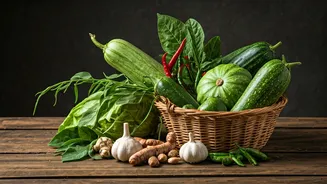
Certain foods, while usually healthy, require extra caution during the monsoon. Leafy green vegetables like spinach and cabbage, which grow close to the damp soil, can be a breeding ground for germs and grit. [17, 21] If you do consume them, ensure they are washed thoroughly and cooked well. It's often safer to stick to vegetables like bitter gourd, bottle gourd, and pumpkin. [15, 16] Street food, especially items like pani puri, pre-cut salads, and fried snacks, should be avoided as they carry a high risk of contamination. [3, 17, 24] Seafood is also best limited, as the monsoon is a breeding season for fish, and supply chains may be less fresh. [3, 24]