



The perfect besan ladoo is a thing of beauty: a fragrant, nutty, melt-in-your-mouth sphere of sweetness. But achieving that ideal texture can be frustrating. The secret often lies not in the ingredients, but in one simple, overlooked step: patience.
The Foundation: Roasting and Ratios
Before
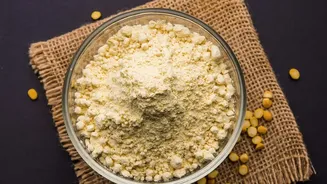
we even get to cooling, success starts with the roast. Besan, or gram flour, needs to be roasted slowly in ghee on a low flame. This process, which can take 20 to 30 minutes, is non-negotiable. Rushing this step on high heat will result in a raw, beany taste or, worse, a burnt, bitter flavour. As you stir continuously, the lumpy paste will gradually loosen, turning glossy and golden brown, and filling your kitchen with a rich, nutty aroma. This is the signal that the besan is perfectly cooked. The ratio of ghee to besan is also vital; too little, and the ladoos will be dry and crumbly, while too much makes the mixture greasy and difficult to shape.
The Science of Cooling
Once the besan is perfectly roasted and aromatic, the temptation is to immediately add the sugar and start shaping. This is the single biggest mistake you can make. The mixture is incredibly hot, and adding powdered sugar at this stage will cause it to melt instantly. When sugar dissolves into hot ghee and then cools, it doesn't just mix; it recrystallises into a hard, brittle mass. This results in ladoos that are either greasy and flat, or have a hard, crystalline texture instead of the desired soft, grainy bite. The cooling period allows the ghee to firm up slightly and the overall temperature to drop to a point where the sugar can be incorporated without dissolving.
The 'Just Right' Temperature Window
So, what is the perfect temperature? There's no need for a thermometer. The goal is to let the mixture cool until it is 'warm to the touch' but not hot. You should be able to comfortably handle a small amount in your palm. This cooling process can take anywhere from 15 to 30 minutes, depending on the quantity of the mixture and the ambient temperature of your room. It's wise to transfer the hot mixture from the kadhai to a wide plate or tray to help it cool more evenly and prevent it from continuing to cook in the residual heat of the pan. Stirring it occasionally during this time will also help.
Shaping: What to Do If It's Too Wet or Too Dry
Even with careful cooling, you might find your mixture is not cooperating. If the mixture is too loose or greasy to form balls, it likely means you added the sugar a bit too early or the ghee ratio was a little high. Don't panic. The easiest fix is to place the entire mixture in the refrigerator for 10 to 20 minutes. This will help the ghee solidify, making the mixture firm enough to shape. On the other hand, if your mixture is too dry and crumbly and won't bind, it has likely cooled too much or lacks sufficient ghee. The solution is to add one or two tablespoons of warm, melted ghee and mix thoroughly. This should provide enough moisture to bring it all together.
Final Touches for a Halwai Finish
Beyond cooling, a few extra details can elevate your ladoos. Many experts recommend using coarse besan, sometimes sold as 'ladoo besan', for a superior grainy texture. The type of sugar also matters. While powdered sugar works, traditional recipes often call for 'tagar' or 'boora', a type of unrefined powdered sugar that provides a unique texture. Some chefs also swear by a trick of sprinkling a tablespoon of water or milk into the hot besan right after roasting is complete. This creates a sizzling reaction that helps develop that classic 'danedar' or grainy texture that sweet shops are famous for.