


The Irresistible Call of the Streets
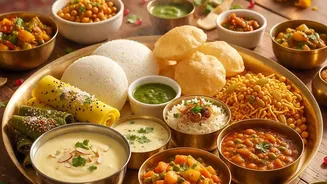
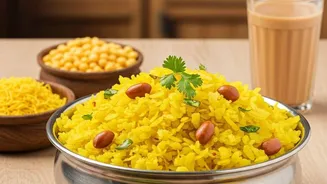
Let’s be honest: Indian street food is more than just a snack; it’s an experience. It’s the sound of the tawa, the explosion of spicy, tangy, and sweet flavours, and the joy of a quick, satisfying bite. Dishes like chaat, samosas, and vada pav are woven
into the cultural fabric of our cities, offering comfort and nostalgia. For many urban professionals juggling hectic schedules, street food is a convenient and flavourful escape. However, this convenience often comes at a cost, with concerns about hygiene, the quality of oil used, and high levels of sodium and unhealthy fats. This creates a classic dilemma for those who want to maintain a healthy lifestyle without giving up the foods they love.
Taking Control of Your Ingredients
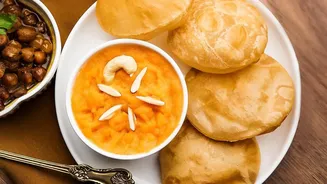
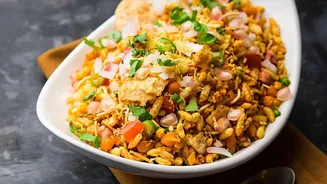
The single biggest advantage of recreating street food at home is complete control. You decide what goes into your food. This means you can make simple but powerful swaps that significantly boost the nutritional value of a dish. For instance, you can bake papdis instead of deep-frying them, use whole wheat flour for puris, or load up your bhel with sprouted moong beans for extra protein and fibre. When making pav bhaji, you can pack the mash with a wider variety of vegetables like carrots, beets, and peas, and control the amount of butter. Even chutneys can be made healthier by using jaggery or dates instead of refined sugar, and low-fat yoghurt can replace full-fat cream in dishes like dahi bhalla. These small changes add up, transforming a guilty pleasure into a wholesome meal.
Modern Kitchens Make It Easy
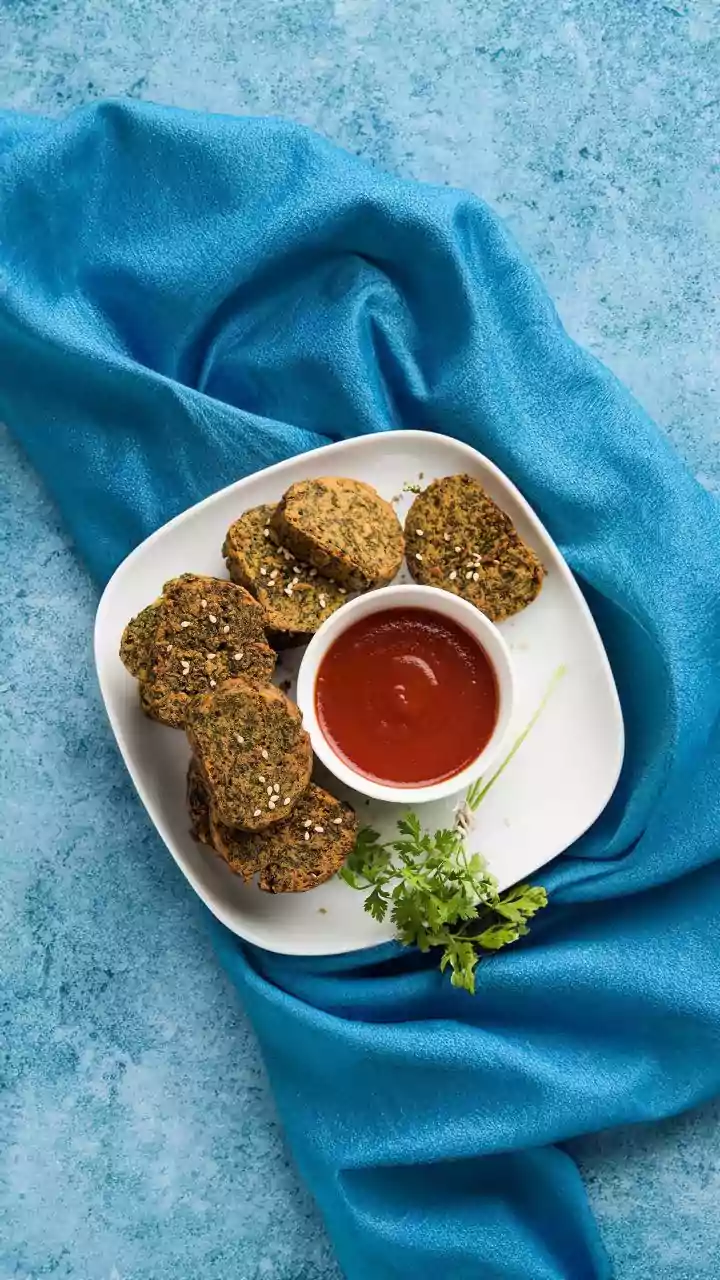
The modern Indian kitchen is better equipped than ever to create healthy versions of traditionally fried snacks. The rise of appliances like air fryers has been a game-changer. You can now achieve that satisfying crunch in samosas, tikkis, and pakoras with a fraction of the oil. Baking is another fantastic alternative to deep-frying. Steaming, a method used for snacks like dhokla, is inherently healthy and can be applied to other recipes as well. These cooking methods drastically cut down on unhealthy fats and calories without sacrificing the texture that makes these snacks so beloved. A homemade paneer tikka, for example, can be marinated in spiced yoghurt and baked or air-fried for a delicious, protein-packed snack.
A Perfect Fit for the Wellness Mindset
The trend of homemade street food aligns perfectly with the growing wellness consciousness among urban Indians. Today, health is viewed holistically, focusing on sustainable habits rather than extreme diets. Cooking at home is a form of selfcare; it allows you to mindfully prepare food that nourishes your body while satisfying your cravings. It also ensures impeccable hygiene, a major concern with streetside stalls. Furthermore, preparing these dishes at home allows for complete customization to fit specific dietary needs, whether it's lowsodium, glutenfree, or vegan. It’s an empowering way to eat that puts you in the driver’s seat of your health and wellbeing.