
The Foundational Warm-Up: Cat-Cow Pose (Marjaryasana-Bitilasana)
Often used to begin a yoga session, the Cat-Cow stretch is a gentle sequence that warms up the body and brings flexibility to the spine. By moving between two positions, you encourage blood flow, reduce stiffness from prolonged sitting, and improve posture.
To start, position yourself on your hands and knees with wrists under shoulders and knees under hips. As you inhale, drop your belly and lift your chest, arching your back into Cow Pose. As you exhale, round your spine upward and tuck your chin, moving into Cat Pose. This simple, rhythmic movement is excellent for activating the core and promoting healthy spinal alignment, making it a perfect first step in any flexibility routine.
The Full-Body Stretch: Downward-Facing Dog (Adho Mukha Svanasana)
Arguably the most iconic yoga pose, Downward-Facing Dog is a mild inversion that provides a comprehensive stretch. It targets the hamstrings, calves, and shoulders while lengthening the spine. For beginners whose hamstrings are tight, the key is to keep a generous bend in the knees. This modification allows you to focus on creating a long, straight line from your hands to your hips, which is more important than forcing your heels to the mat. This posture builds upper body strength, decompresses the spine, and can help relieve tension. It is both a transitional pose and a resting pose, offering a moment to reset your breath and body during practice.
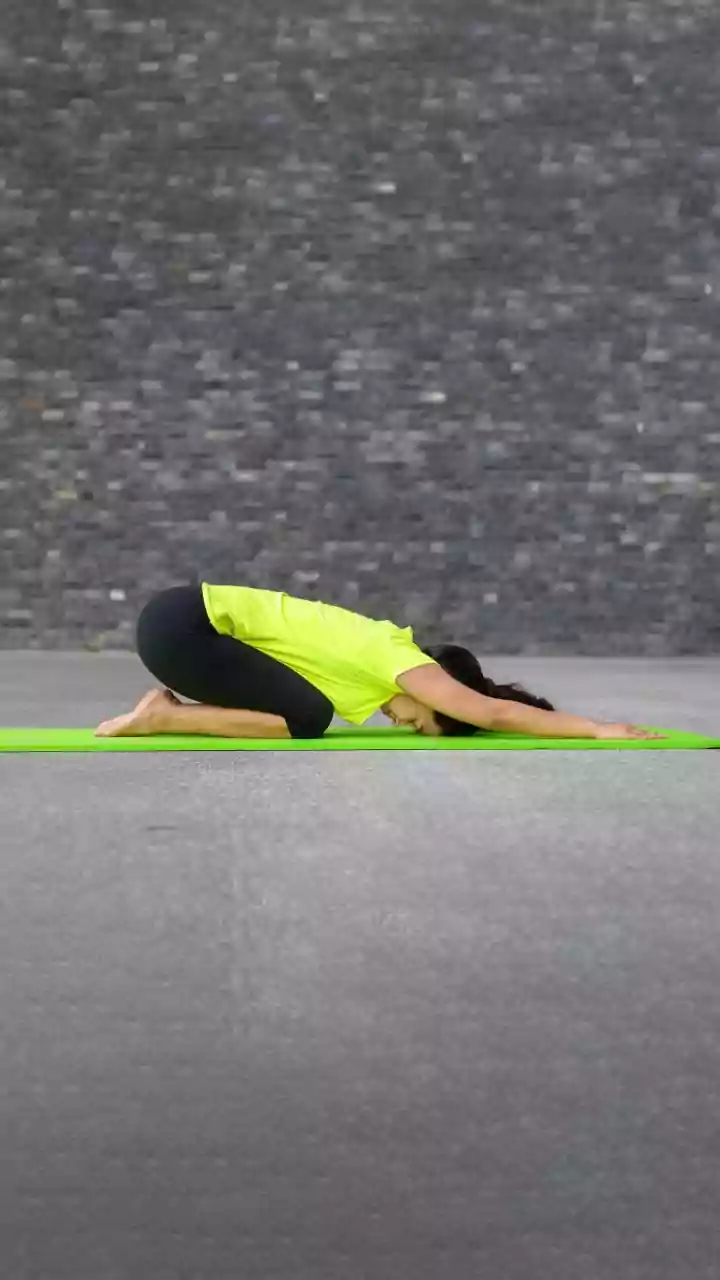
The Gentle Release: Child's Pose (Balasana)
Child's Pose is a restorative posture that offers a gentle stretch for the lower back, hips, and thighs. It's often used as a resting position during a yoga class, providing a moment to calm the mind and reconnect with your breath. To practice it, kneel on the floor, sit back on your heels, and fold forward, resting your torso on your thighs and your forehead on the mat. Your arms can be stretched forward or rested alongside your body. This pose gently elongates the back, relieves tension in the neck and shoulders, and soothes the nervous system, making it incredibly beneficial after a long day or a challenging sequence.
The Hamstring Hero: Standing Forward Bend (Uttanasana)
Tight hamstrings are a common complaint, especially for those who sit for long periods. The Standing Forward Bend directly targets the entire back of the body, from the calves to the hamstrings and up through the lower back. To begin, stand with your feet hip-width apart and, as you exhale, hinge at your hips to fold forward. It is crucial to bend from the hips rather than the waist to protect your lower back. Beginners should keep their knees bent enough to comfortably rest their hands on the floor, on blocks, or on their shins. This pose not only improves flexibility but can also have a calming effect on the nervous system.
The Hip Opener: Butterfly Pose (Baddha Konasana)
Hip flexibility is essential for overall mobility and can help alleviate lower back pain. The Butterfly Pose is a seated asana that specifically targets the inner thighs, groin, and hips. To perform this stretch, sit on the floor and bring the soles of your feet together, allowing your knees to fall out to the sides. You can hold onto your ankles or feet. The goal is not to force the knees to the ground but to let gravity do the work. This pose improves circulation to the pelvic region and provides a deep, soothing stretch that can be held for several minutes to release long-held tension.