




A Trio of Meteor Showers
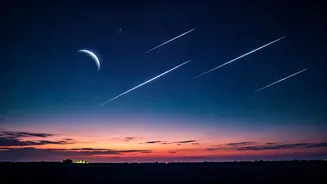
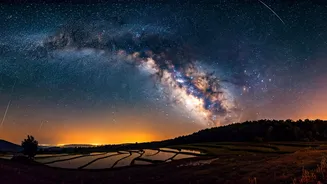
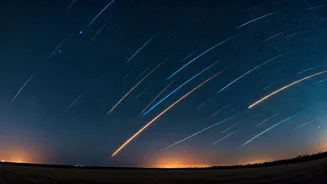
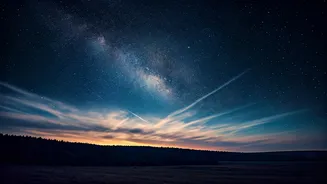
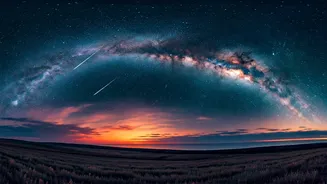
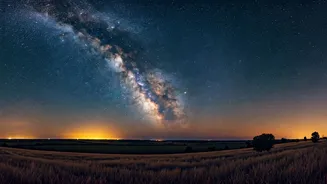
The end of July is a special time for meteor lovers, with not one, but three showers peaking around the same time. The main events are the Southern Delta Aquariids and the Alpha Capricornids, which will both reach their peak activity on the night of July 30
and into the early morning of July 31, 2026. They are joined by the fainter Piscis Austrinids, which also peak around July 29. This celestial traffic jam means patient observers could see a mix of meteors. The Delta Aquariids are known for a steady rate of about 15-20 faint meteors per hour under perfect conditions, originating from debris left by comets Marsden and Kracht. While this year's bright Moon will make viewing challenging, the effort can still be rewarding.
The Full Moon Challenge
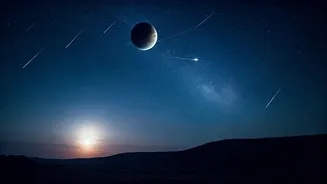
There's a significant catch for this year's late-July meteor showers: a nearly full moon. The Full Buck Moon occurs on July 29, 2026, meaning the sky will be filled with bright moonlight for most of the night during the meteor peaks. This lunar glare will unfortunately wash out the fainter meteors from the Delta Aquariids. However, not all is lost. The key is to manage expectations and change your strategy. Instead of looking for a high quantity of meteors, focus on quality. You can try to position yourself so that a building or tree blocks the direct light of the Moon, which can help your eyes adapt better to the dark.
Hunting for Bright Fireballs
While the Delta Aquariids may be faint, the overlapping Alpha Capricornids have a reputation for producing slow, intensely bright meteors known as fireballs. Though this shower produces only about five meteors per hour, these spectacular streaks of light can be bright enough to pierce through the moonlight, offering a truly memorable sight. The best time for Indian observers to try their luck will be in the pre-dawn hours of July 30 and 31, between approximately 1:30 a.m. and 4:30 a.m. IST, when the shower's radiant point is highest in the sky. So, instead of being discouraged by the Moon, think of it as a filter that only lets the most impressive meteors shine through.
Planetary Parade Continues
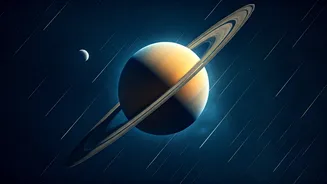
Beyond the shooting stars, the planets are putting on their own show. Throughout July, Saturn will be a prominent late-night and early-morning object, appearing as a steady, golden point of light that doesn't twinkle. In early July, it can be spotted near the Moon. Mars is also visible in the pre-dawn sky, adding a reddish tint to the celestial canvas. Watching these planets rise and travel across the sky offers a different, more serene kind of stargazing experience compared to the fleeting excitement of a meteor shower. They are reliable beacons in the sky, perfect for spotting even from urban areas with significant light pollution.
Tips for Indian Stargazers
The biggest challenge for skywatching in India during July is, of course, the monsoon. Cloud cover can be a persistent obstacle. The best approach is to be flexible and opportunistic. Keep an eye on your local weather forecast and be ready to head out during any break in the clouds. You don't need a telescope for meteor showers; your naked eyes are the best tool. Find a safe spot away from city lights, lie back on a blanket or reclining chair, and give your eyes at least 20-30 minutes to fully adapt to the darkness. Avoid looking at your phone, as the bright screen will ruin your night vision. Patience is key—the universe rarely performs on a strict schedule, but the rewards are always worth the wait.