


The Post-Monsoon Hair Shift
During the monsoon, high humidity swells the hair shaft. As the atmosphere gets saturated with moisture, so does your hair, causing the outer layer—the cuticle—to lift. This leads to frizz and makes hair feel heavy. But as the season changes, the air becomes
significantly drier. This sudden drop in humidity has the opposite effect: moisture is rapidly pulled out of your hair. This transition from swelling to contracting makes the hair shaft incredibly vulnerable, leading to dullness, roughness, and an increase in seasonal shedding and breakage.
Meet Your Hair's Armour: The Cuticle
Imagine your hair strand is like a tiled roof. Each tile is a cell of the hair cuticle, the protective outermost layer. When hair is healthy, these 'tiles' lie flat and smooth, locking in moisture and giving hair its natural shine. However, environmental stressors like the drastic humidity changes post-monsoon force these tiles to lift and become ragged. A raised, damaged cuticle can't hold onto moisture effectively, nor can it protect the hair's inner core, leaving it exposed, weak, and prone to splitting.
The Role of a Leave-In Conditioner
This is where a leave-in conditioner becomes your hair's best ally. Unlike a rinse-out conditioner which provides temporary softness, a leave-in is designed to stay on the hair, offering continuous protection and moisture throughout the day. It acts as a lightweight shield, defending your strands from the drying effects of the environment. Think of it as a moisturiser for your hair, creating a barrier that prevents essential hydration from escaping while also smoothing the roughed-up cuticle layer.
How It Works: The Science of Protection
Leave-in conditioners are formulated with a blend of key ingredients that work together to restore balance. Humectants, like glycerin and aloe vera, draw moisture from the air into the hair shaft, actively hydrating it. Emollients, such as shea butter and natural oils like argan or coconut oil, work to smooth and seal the cuticle, locking that moisture in. Many formulas also contain proteins that help to fill in gaps in the damaged cuticle, temporarily strengthening the hair strand and reducing breakage. This combination provides a comprehensive defence against the challenges of a changing climate.
Choosing the Right Product
Not all leave-in conditioners are created equal. The right one for you depends on your hair type. For fine or thin hair, a lightweight spray is ideal as it won't weigh your hair down. Look for ingredients like green tea extract or aloe juice. If you have thick, coarse, or curly hair, a richer cream-based formula with shea butter, avocado oil, or argan oil will provide the intense moisture needed to combat frizz and dryness. The goal is to find a formula that offers protection without causing buildup or making hair feel greasy.
Application for Maximum Impact
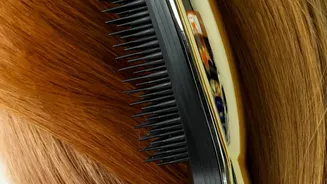
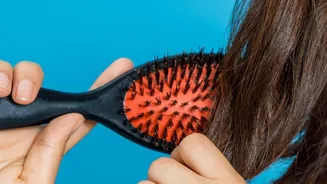
To get the most out of your leave-in conditioner, apply it to clean, damp hair after washing. This allows the product to be absorbed more effectively. Focus the application on the mid-lengths and ends of your hair, as these are the oldest and most susceptible parts to damage and dryness. Use a wide-tooth comb to gently distribute the product evenly. You can also use a small amount on dry hair to tame flyaways or refresh your strands between washes, but the primary application should always be on damp hair to seal in hydration.