






The First 15 Minutes Are Critical
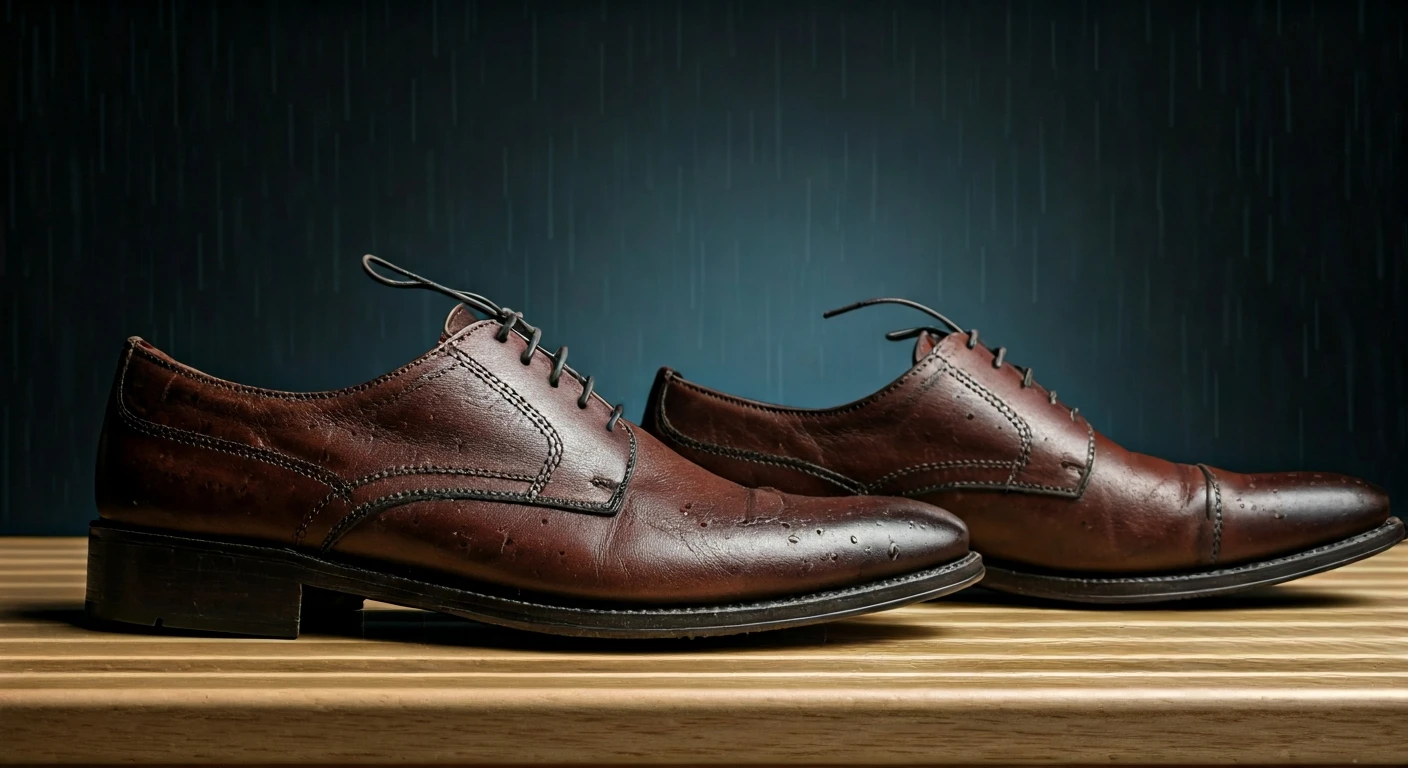
What you do the moment you walk in with wet, muddy shoes sets the stage for their survival. Don't just kick them into a corner. First, wipe off any excess mud and surface water with a cloth. If they are truly soaked, remove the laces and any insoles to allow
them to dry separately. This prevents moisture from being trapped inside. For leather shoes, this immediate cleaning helps prevent grit from drying into the material and causing stains or scratches. This quick, decisive action stops damage before it can take hold.
Mastering the Art of Drying
Your first instinct might be to use a hairdryer or place shoes by a heater, but this is the fastest way to ruin them. Direct heat can cause leather to crack and shrink, and it can damage the adhesives used in trainers. The best method is slow and steady. Stuff your shoes tightly with crumpled newspaper or paper towels. This material is excellent at absorbing moisture from the inside out. For very wet shoes, you may need to replace the newspaper every few hours. Once stuffed, place the shoes in a well-ventilated area at room temperature—never in a sealed cupboard or in direct sunlight. A spot near a fan, but not directly in its path, can help speed things up.
Winning the War on Fungus and Odour
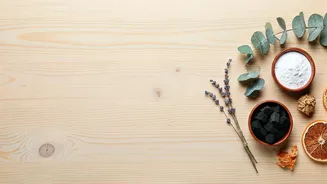
High humidity is the perfect breeding ground for mould and mildew, which leads to permanent damage and unpleasant smells. To combat this, ensure shoes are completely dry before storing them. As a preventative measure, you can create your own deodorising and moisture-absorbing sachets. Fill old socks or small cloth bags with baking soda, and add a few drops of tea tree or lavender essential oil for its antibacterial properties. Place these sachets inside your shoes overnight to absorb lingering moisture and neutralise odours. Activated charcoal pouches work well for this, too.
Rethink Your Shoe Rack Strategy
During the monsoon, a closed, tightly packed shoe cabinet is a recipe for disaster. Trapped air and humidity accelerate mould growth. Opt for open, ventilated storage solutions, like slatted shelves or wire racks that allow air to circulate freely around each shoe. It’s also wise to elevate your shoe rack off the floor to protect it from dampness. Avoid storing shoes in their original cardboard boxes or in plastic containers, as both can trap moisture. If you must use boxes, ensure they have ventilation holes and toss in a few silica gel packets to absorb humidity.
The Power of Rotation
One of the simplest yet most effective habits is to rotate your footwear. Avoid wearing the same pair of shoes two days in a row, especially during the rainy season. This gives each pair a full 24 to 48 hours to dry out completely and air out. This simple rhythm prevents the cumulative build-up of moisture that leads to bacteria, odour, and material fatigue. For your most prized pairs, especially leather, investing in cedar shoe trees is a wise move. Cedar naturally absorbs moisture and odours while helping the shoe maintain its shape as it dries.