








1. Start at the Top: Inspect Your Roof
Your roof is the first line of defence against rain, so its integrity is paramount. Before the monsoon hits, it’s crucial to conduct a thorough visual inspection. Look for any cracked, broken, or missing tiles or shingles. Pay close attention to the areas
around vents, chimneys, and skylights, as the seals in these spots are common failure points. Small cracks can be sealed with a high-quality roof sealant. If you notice significant damage, like widespread cracked tiles or large areas of wear, it’s wise to call a professional. Addressing a small leak now can prevent a major structural problem that could cost thousands to fix later.
2. Clear the Path: Gutters and Drains
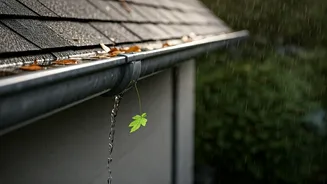
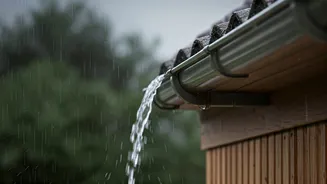
If water can't get away from your house, it will find a way in. Gutters and downspouts are designed to channel rainwater safely away from your foundation. However, they are easily clogged with leaves, dirt, and other debris. A clogged gutter will overflow, sending water cascading down your walls and pooling at the base of your home. This can lead to foundation damage, basement flooding, and wall seepage. At least twice a year, and especially before the rainy season, clear out your gutters. Ensure downspouts are directing water several feet away from the house. A simple cleaning job can save you from complex and expensive water damage repairs.
3. Seal the Gaps: Windows and Doors
Even the smallest gaps around your windows and doors can act as an invitation for rainwater. Over time, the caulking and weather stripping that seals these openings can crack, shrink, or peel away. Inspect all your exterior window and door frames. Look for gaps or brittle sealant. If you find any, scrape out the old caulk and apply a fresh bead of exterior-grade, waterproof silicone caulk. Check the weather stripping at the bottom of your doors to ensure it forms a tight seal. This not only keeps water out but also improves your home's energy efficiency.
4. Check the Foundation and Walls
Walk around the perimeter of your house and examine the foundation and exterior walls for cracks. While hairline cracks are often normal, larger horizontal or zigzag cracks can be a serious issue and a prime entry point for water. Water seeping into the foundation can weaken the structure of your entire home. Use a high-quality masonry sealant to fill any small-to-medium cracks. For larger or more worrying cracks, consult a structural engineer to assess the problem before attempting a DIY fix. Proper sealing prevents water from compromising your home’s core strength.
5. Manage Your Landscape
The ground around your home plays a critical role in water management. The soil should slope away from your foundation, not towards it. If you notice water pooling near your house after it rains, you may have a grading issue. Building up the soil near the foundation can help create a positive slope. Also, take a look at your trees. Overhanging branches can scrape against the roof, dislodging tiles, or can fall during a storm, causing significant damage. Trim back any branches that are too close to your house to ensure both your roof and your family are safe.