


The Science of Subterranean Beauty
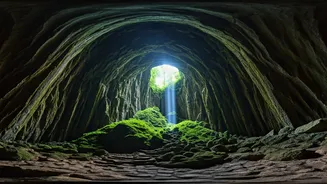
Before we journey into these magnificent caves, it’s worth understanding why the monsoon has such a profound effect. Many of India’s most spectacular caves are karst landscapes, formed over millennia by water dissolving soluble rocks like limestone and dolomite.
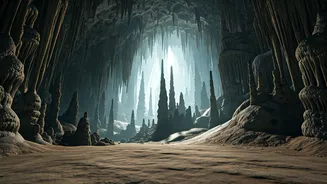
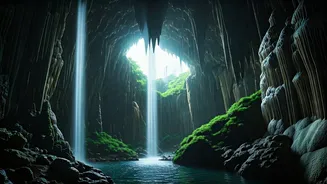
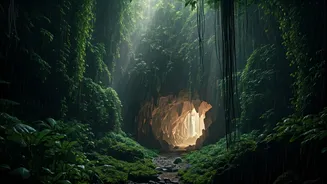
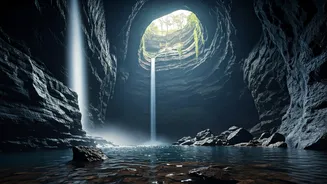
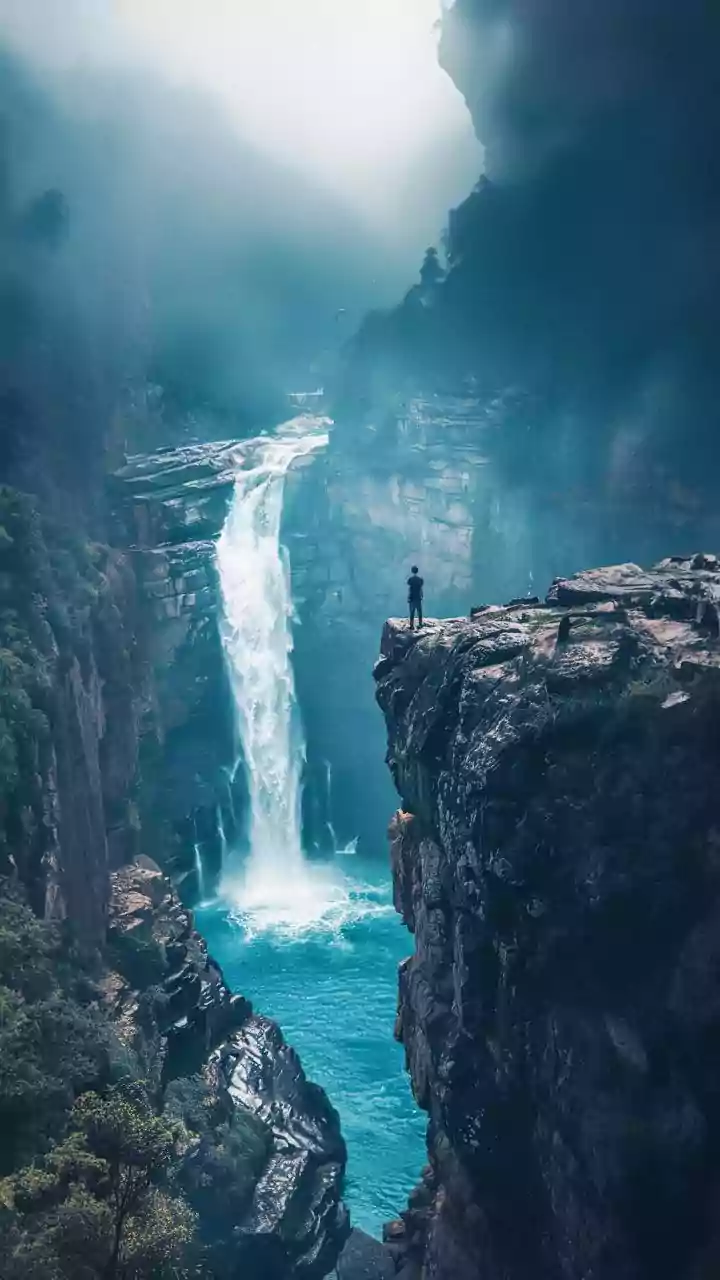
During the dry months, these caves can be quiet, dusty, and almost dormant. But when the monsoon arrives, everything changes. Rainwater, slightly acidic from absorbing carbon dioxide in the atmosphere and soil, seeps through the ground. It percolates through cracks and fissures, widening passages and carrying dissolved minerals. This process doesn't just create the caves; it actively redecorates them. The water coats stalactites and stalagmites, making them glisten as if they were polished jewels. It fills underground streams that roar back to life and forms ephemeral waterfalls that cascade into dark chambers, creating a symphony of sound and light where there was once only silence.
Meghalaya: The Abode of Living Caves
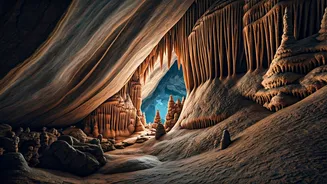
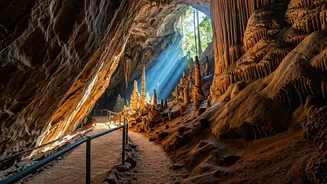
Nowhere is this transformation more evident than in Meghalaya, a state that receives some of the heaviest rainfall on Earth. It’s home to a sprawling network of over 1,700 caves, including some of the longest and deepest in the subcontinent. During the monsoon, caves like Mawsmai near Cherrapunji become truly alive. What are mere trickles in the winter become gushing streams you might have to wade through. The limestone walls, perpetually damp, seem to breathe, and the constant dripping of water—the very force that builds the cave’s formations—echoes through the chambers. The entrance to Mawsmai Cave, illuminated for tourists, offers a glimpse into this world. Water shines on the calcite formations, revealing shades of orange and pink. Deeper, unexplored systems like Krem Liat Prah (the longest known natural cave in India) become dynamic, dangerous, and incredibly beautiful water-filled labyrinths, accessible only to seasoned speleologists.
Borra Caves: A Shimmering Spectacle
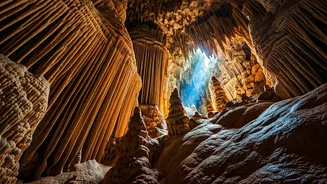
In the Ananthagiri hills of Andhra Pradesh’s Araku Valley lie the Borra Caves, a geological marvel millions of years old. The Gosthani River flows through these caves, having carved them from the surrounding limestone. While impressive year-round, the monsoon elevates the experience entirely. The river, which can be a gentle stream in the dry season, swells into a powerful force, its sound reverberating through the vast caverns. The key, however, is the light. The water from the rains washes over the massive stalactites and stalagmites, some towering several metres high. When artificial lights catch these wet surfaces, the mineral deposits—rich in manganese, iron, and copper—shimmer with an otherworldly glow. Formations that have been given names like 'Shiva-Parvati' and 'Mother-Child' take on a renewed, dramatic character, glistening as if freshly sculpted. The humidity hangs thick in the air, and the entire cave system feels more primal and mysterious.
Belum Caves: The Underground Waterfalls
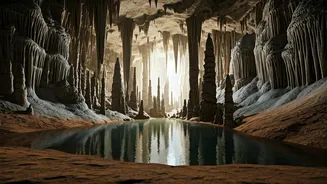
Further south in Andhra Pradesh is the Belum Caves system, the second-longest on the Indian plains. Known for its long passages, spacious chambers, and freshwater galleries, Belum offers a different kind of monsoon magic. One of its most enchanting features is the Patalganga, a perennial underground stream that disappears into the depths of the earth. During the monsoon, this stream is fed by a network of smaller sinkholes and rivulets, and its flow becomes much more significant. More spectacularly, the increased water percolation creates seasonal waterfalls within the cave itself. In chambers that were dry just weeks before, water suddenly begins to pour from the ceiling, creating a mesmerising and fleeting spectacle. Exploring these passages, with the sound of distant, hidden waterfalls as your guide, is an experience that connects you directly to the raw, creative power of water.