


The Two Halves of the Mela
The Pushkar Mela, scheduled from November 17 to November 24, 2026, is an event with a dual identity. For centuries, it has been one of the largest gatherings for trading camels, horses, and cattle in India. Herders and farmers from across Rajasthan and neighbouring
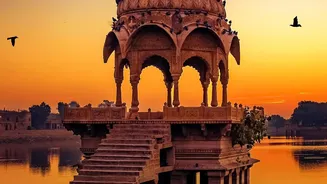
states converge in the dunes outside town, creating a bustling, makeshift marketplace. This commercial aspect runs parallel to a profound spiritual gathering. The fair culminates on Kartik Purnima, the full moon night, which is considered an incredibly auspicious time for Hindu pilgrims. They come to bathe in the sacred Pushkar Lake, believed to have been created by Lord Brahma. This blend of trade and devotion gives the fair its unique, unforgettable character.
The Livestock Fair: More Than Just a Market
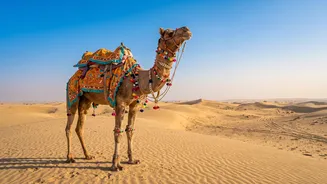
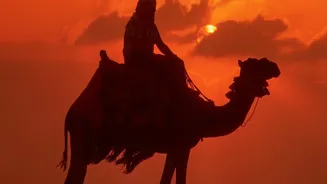
The first phase of the fair, from roughly November 17 to 20, is dominated by the livestock trade. Tens of thousands of camels, horses, and cattle fill the fairgrounds. But this is more than a simple market. It is a cultural showcase. Owners adorn their camels with colourful tassels, embroidered fabrics, and intricate paintings, competing for titles in highly anticipated beauty contests. The air buzzes with the sound of negotiations as deals are struck over cups of chai, often in the early morning hours. For visitors, this period offers a raw, authentic glimpse into the pastoral life of Rajasthan that has remained unchanged for centuries. It is dusty, chaotic, and utterly captivating.
A Carnival of Culture and Competition
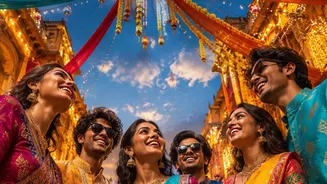
As the livestock trading winds down, the cultural festivities ramp up around November 21. The fairground transforms into a carnival with ferris wheels, food stalls, and bustling handicraft bazaars selling everything from silver jewellery to Rajasthani textiles. The schedule is packed with unique and entertaining competitions. Events like the 'matka phod' (pot breaking), turban-tying contests, and bridal competitions draw huge crowds. Perhaps the most famous is the longest moustache competition, a celebrated and highly photographed event where men display their impressive facial hair with pride. Evenings are filled with the sounds of folk music and dance performances, with troupes performing soulful desert melodies.
Spiritual Culmination on Kartik Purnima
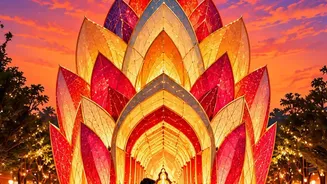
The final days of the fair shift focus from the dunes to the sacred Pushkar Lake. The festival is timed to end on Kartik Purnima, which falls on November 24 in 2026. This full moon night holds immense religious significance. Legend says that millions of gods and goddesses consecrated the lake on this day, and a holy dip is believed to cleanse sins and bestow great spiritual merit. Thousands of pilgrims stream towards the 52 bathing ghats that surround the lake. As dusk falls, the grand 'Maha Aarti' ceremony takes place, with hundreds of flickering oil lamps set afloat on the water, creating a mesmerizing spectacle of light and devotion. The atmosphere becomes deeply spiritual, marking a serene end to the week's boisterous festivities.
Planning Your Visit: Practical Details
Entry to the main fairgrounds is generally free, though specific experiences like hot air balloon rides or special exhibitions may require tickets. To experience both sides of the Mela, plan your visit to span the transition from the livestock trading to the cultural events, ideally around November 19 to 22. Accommodation in Pushkar, from luxury tents near the fairgrounds to hotels in town, should be booked months in advance as prices rise sharply. The nearest airport is in Kishangarh, about 40 km away, while Ajmer serves as the closest major railway station. When visiting, dress for warm days and cool desert nights, and be prepared for crowds and dust, especially during the first half of the fair.