







The Gap Between Ambition and Reality
India's solar energy growth has been explosive. By mid-2026, the country's installed solar capacity rocketed past 160 GW, a more than fifty-fold increase in just over a decade. With major government programs like the PM Surya Ghar: Muft Bijli Yojana aiming
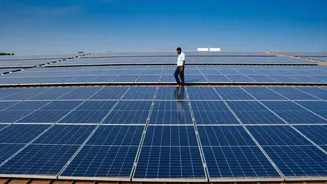
to put solar rooftops on 10 million homes, the demand for installation is set to skyrocket further. However, this rapid expansion exposes a significant vulnerability: a severe shortage of skilled labour. While engineers can design the systems, it is the PV solar installer on the ground—or on the roof—who turns plans into functioning power plants. Industry experts have long warned that the lack of a sufficiently trained workforce is a key barrier to achieving the country's renewable energy targets, leading to concerns about installation quality, safety, and long-term performance.
A Renewed Push for Skilling
Recognizing this gap, there is a renewed emphasis on targeted skills development. Initiatives like the long-running Suryamitra Skill Development Programme, overseen by the National Institute of Solar Energy (NISE), are central to this effort. These programs aim to create a cadre of certified solar PV technicians trained in installation, operation, and maintenance. More recently, large-scale financing from institutions like the World Bank and Asian Development Bank, approved in July 2026, explicitly includes components for strengthening the skills of grid personnel and rural entrepreneurs. This new wave of investment supports the training and certification of thousands of new workers, with a specific focus on creating green jobs and including women in the clean energy transition. The goal is to move beyond ad-hoc, on-the-job learning and create a standardized, quality-assured training ecosystem.
More Than Just Kilowatts
Investing in a solar workforce is about more than just hitting capacity targets; it's a massive opportunity for job creation. A well-trained installer ensures that a solar system is safe, efficient, and durable. Proper installation reduces electrical hazards, maximizes energy output, and builds consumer trust in the technology. This is crucial for the residential rooftop sector, where the installer is often the primary face of the solar industry for homeowners. Furthermore, these skilling initiatives are designed to create entrepreneurs and freelancers, especially in rural and semi-urban areas. By training local technicians for installation and ongoing maintenance, the solar boom can drive grassroots economic development and ensure that the benefits of the green transition are widely distributed across the country.
Challenges on the Horizon
Despite the positive momentum, significant challenges remain. One of the biggest issues cited by employers is the poor quality of some existing training programs, which often don't meet industry needs. There is also the challenge of scaling up training to match the sheer volume of workers required—potentially hundreds of thousands for construction, installation, and maintenance. Many installation crews are still assembled through layers of subcontractors, making it difficult to enforce quality and safety standards. To be truly effective, skilling initiatives must be closely linked with industry requirements, ensure consistent quality, and provide clear pathways to employment with fair wages, which has been a persistent challenge.