




The Core of Your Itinerary
Think of your India travel plan as a triangle: accommodation, intra-city transport (within a city), and inter-city transport (between cities). Each point is deeply connected. A budget-friendly hotel on the outskirts of a major city might seem like a win,
but it could cost you dearly in travel time and money spent on cabs. Conversely, a well-located stay near a metro station could save you hours and frustration, allowing for more time to explore. India is vast, and underestimating the time it takes to get around is a common mistake for first-time visitors. Traffic can be unpredictable, so factoring in a buffer is always wise. The key is to see transport not as a problem to be solved, but as a strategic part of your plan that unlocks a better trip.
Choosing Your Base: Central vs. Suburban
Where you choose to stay in a city like Delhi, Mumbai, or Jaipur dramatically shapes your daily rhythm. Staying in a central, tourist-friendly area like Colaba in Mumbai or near Connaught Place in Delhi puts you close to major sights, restaurants, and transport hubs. This convenience, however, often comes with higher prices and more noise. On the other hand, opting for a guesthouse or hotel in a quieter, more residential neighbourhood can offer a more local feel and better value. The trade-off is the commute. Before booking, look at a map. How far is the hotel from the metro, the main bus route, or the areas you plan to visit most? A location that looks close on a map can easily be a 45-minute journey during peak traffic. Reading recent reviews that mention the neighbourhood and transport access is invaluable.
Navigating the Cities: Autos, Metros, and Apps
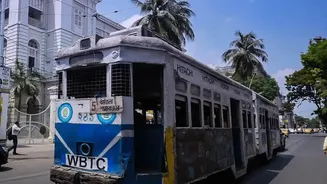
Once you've picked your base, you'll need to master local transport. For short hops, the auto-rickshaw is an iconic and indispensable option. Always agree on the fare before you start the journey if the driver is unwilling to use the meter. In major hubs like Delhi, Kolkata, and Bengaluru, the metro system is a game-changer—it's fast, cheap, and bypasses all road traffic, making it a reliable choice. For ultimate convenience, ride-hailing apps like Ola and Uber are widely available in most cities and can be used to book cabs, autos, and even bike taxis. These apps provide upfront pricing and are great for navigating without language barriers. Having a local or travel-friendly SIM card is crucial to use these services effectively.
The Great Indian Train Journey
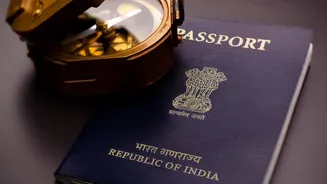
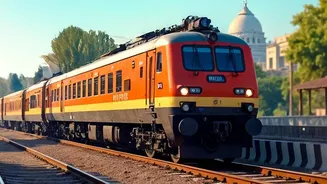
No trip to India feels complete without at least one train journey. The Indian Railways network is one of the largest in the world, connecting almost every corner of the country. It's not just a mode of transport but a cultural experience. For tourists, booking in advance is essential, as popular routes fill up quickly. You can book online via the official IRCTC website or app, which has a specific registration process for foreign nationals. This requires an international mobile number and a small registration fee. Many trains offer a 'Foreign Tourist Quota' (FTQ), a set number of tickets reserved for foreign passport holders that can often be booked far in advance. For overnight journeys between 500 and 1,000 km, an air-conditioned sleeper train is often the best balance of cost, comfort, and efficiency, saving you a hotel bill for the night.
Flights and Buses: Covering the Distances
For very long distances (over 1,000 km), such as from Delhi in the north to Kerala in the south, a domestic flight is the most sensible option, saving you a significant amount of time. Major airlines like IndiGo and Air India connect all major cities. For shorter inter-city routes where trains might not be convenient, buses are a viable alternative. Private companies offer a range of options, from basic seaters to comfortable air-conditioned sleeper buses for overnight journeys. Websites like Redbus are popular for comparing options and booking tickets online. When deciding between a train, bus, or flight, consider the total door-to-door time and cost, including transfers to and from the airport or station.