


Journey to the Solar System's Freezer
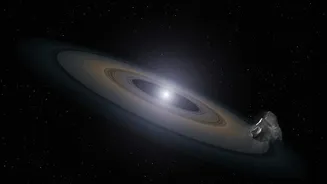
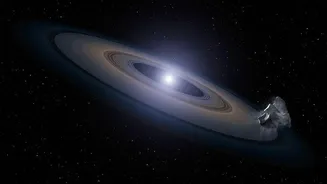
The Kuiper Belt is a doughnut-shaped ring of icy bodies extending far beyond the orbit of Neptune. Think of it as a celestial graveyard of leftovers from the solar system's formation, home to dwarf planets like Pluto and countless smaller objects. For
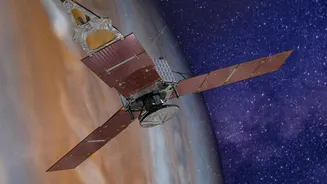
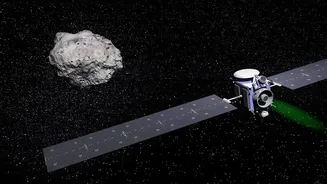
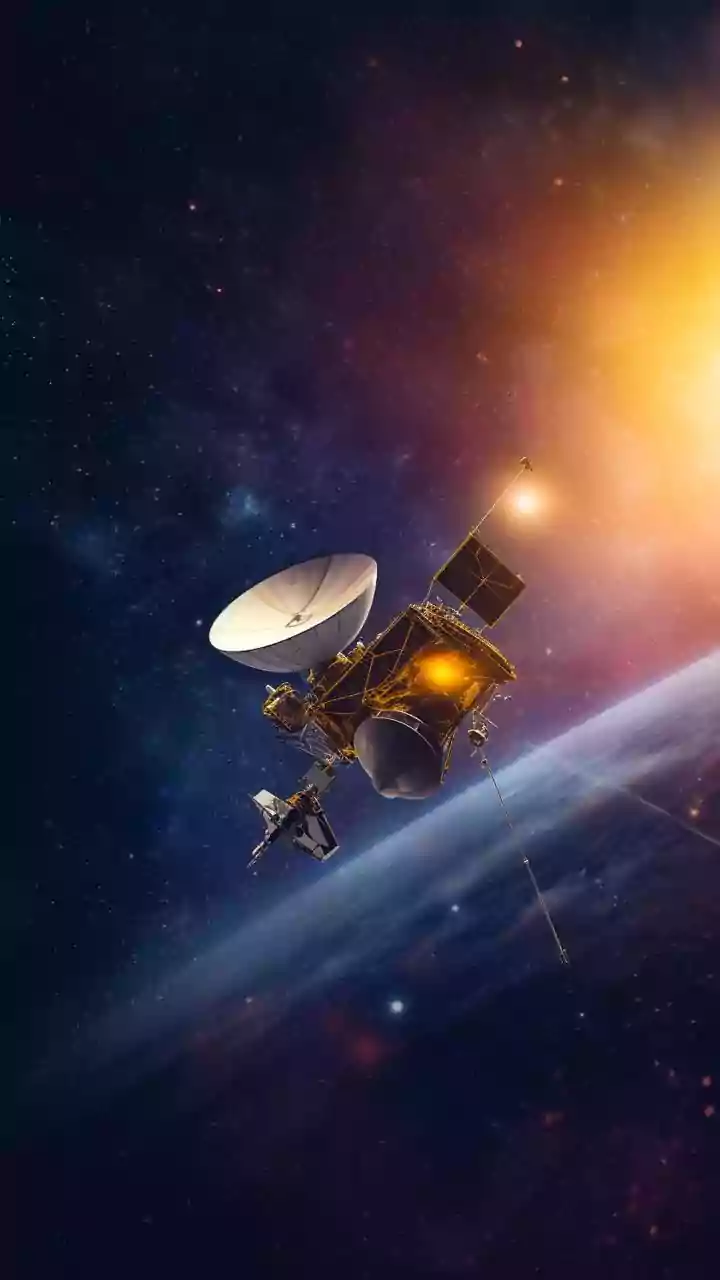
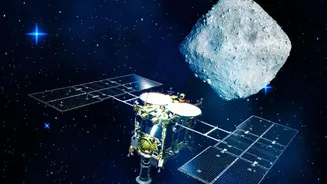
scientists, this region is a time capsule, preserving the primordial materials that built our planetary neighbourhood some 4.6 billion years ago. Getting there is one of humanity's greatest navigational feats. NASA's New Horizons spacecraft, after its historic flyby of Pluto in 2015, has continued its journey into this remote expanse. Its mission: to read the story of our origins written in ice and dust.
Listening for Whispers of Dust
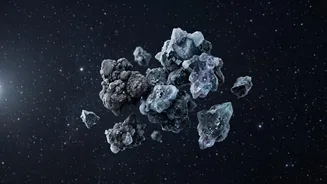
One of the key instruments aboard New Horizons is the Venetia Burney Student Dust Counter (SDC). Its job isn't to take stunning pictures but to 'listen' for impacts from tiny dust particles as the spacecraft zips through space at incredible speeds. For years, as it travelled through the Kuiper Belt, the SDC registered a consistent rate of dust impacts. But recently, as it ventured into the farthest reaches yet explored, the instrument detected something unexpected: a higher-than-anticipated concentration of dust. The readings suggest this distant region is far dustier than scientific models had predicted, hinting that the Kuiper Belt may be larger or more active than we previously thought.
The Power and Problem of a Few Grains
Here is where a 'closer reading' becomes essential. The conclusions are drawn from a relatively small number of impact events. In space science, especially at such extreme distances, every data point is precious, but it is also just one piece of a colossal puzzle. A small sample size doesn't invalidate the findings; it simply adds a layer of uncertainty and a call for caution. It’s the difference between hearing a single mysterious noise in a forest and having a complete map of every creature living there. The data provides a tantalizing clue, a new direction for inquiry. Scientists must now ask if this dustiness is a uniform feature of the outer belt or if New Horizons simply passed through a temporary, localized cloud. It's a scientific cliffhanger.
Why This Microscopic Dust Matters
So why does a bit of extra dust billions of kilometres away generate so much excitement? Because this material is believed to be the fundamental building block of planets. Understanding its distribution, density, and composition helps scientists refine their models of how our solar system evolved. The higher dust levels could imply that the Kuiper Belt extends much further than we know, or it could point to unseen collisions between larger icy bodies that are constantly generating fresh debris. Each grain that strikes the SDC provides a physical sample from a region we can't otherwise touch, offering clues about the chemistry and dynamics of the solar system's ancient past. These findings force us to reconsider the true boundaries of our cosmic home and the processes still shaping it.