








The Traditional Monsoon Menu
For decades, the Indian café experience during the monsoon has been defined by warmth and comfort. The beverage structure was predictable yet beloved: masala chai, strong filter kaapi, frothy cappuccinos, and rich hot chocolates. These drinks were the perfect
antidote to the damp chill in the air, offering a sense of cosy familiarity. Menus often featured complementary fried snacks like bhajias and samosas, creating a ritualistic pairing that became synonymous with the season. This structure was built on the simple premise that rainy weather calls for hot beverages. But as palates evolve and global trends arrive, that foundation is being challenged.
Enter Cold Coffee Innovations
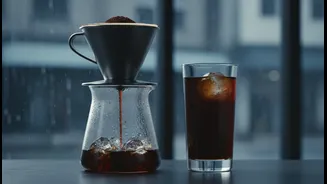
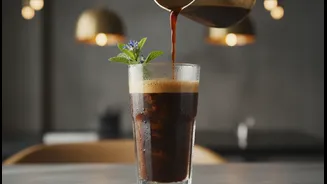
The new wave of monsoon favourites looks and tastes entirely different. We're not talking about the sugary, milky cold coffee of the past, but sophisticated "cold filter coffee enhancements." This category is led by cold brew, a less acidic, smoother coffee made by steeping grounds in cold water for 12-24 hours. Cafés are taking it further with nitro-infused coffee, which has a creamy, stout-like texture, and flash-chilled brews that retain the delicate notes of the coffee bean. These are often single-origin beans sourced from Indian estates in regions like Karnataka and Tamil Nadu, and sometimes infused with spices like cinnamon or even fruits. This isn't just about cooling down coffee; it's about creating entirely new flavour experiences.
Why the Shift? A Change in Climate and Culture
So why are consumers reaching for a cold drink on a rainy day? The Indian monsoon is often more humid and warm than it is cold, especially in cities like Mumbai and Bengaluru. For many, a refreshing, less acidic cold brew is more appealing than a hot beverage during a muggy afternoon downpour. This shift is also driven by younger consumers, particularly Gen Z and millennials, who are shaping India's booming specialty coffee market. For this demographic, coffee is a social and aesthetic experience. A layered, visually appealing cold brew in a sleek glass is more shareable on social media than a standard cappuccino. This cultural shift has made cold coffee a year-round staple, not just a summer drink.
The Business of Brewing Cold
For cafés, embracing cold coffee is a smart business move. While setting up a nitro tap requires an initial investment, the offerings themselves command premium prices and attract a discerning clientele. Cold brew can be made in large batches, which streamlines workflow for busy cafés. Furthermore, the rise of ready-to-drink (RTD) formats allows cafés to bottle and sell their signature cold brews, creating an additional revenue stream that caters to the convenience-driven urban consumer. By adding innovative cold coffee options, from nitro brews to creative coffee mocktails, establishments can differentiate themselves in a competitive market and keep their tables full even outside of peak hours.
A Nod to Tradition: Monsooned Malabar
Interestingly, this modern trend has a unique historical parallel in Indian coffee history: the 'Monsooned Malabar' bean. This uniquely Indian process originated accidentally during the time of sea voyages to Europe, when raw coffee beans were exposed to months of humid, monsoon-like conditions in the hulls of wooden ships. This transformed the beans, making them swell, turn yellowish, and develop a smooth, low-acidity profile with a heavy body. What started as a flaw became a desired flavour, and today, the process is recreated intentionally by exposing beans to monsoon winds for several weeks. It serves as a reminder that the relationship between the Indian monsoon and coffee innovation is not entirely new, but rather a story that continues to evolve.