


Savour the Grand Onam Sadya
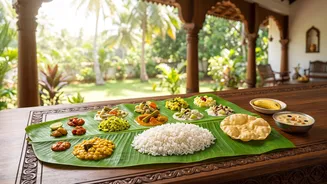
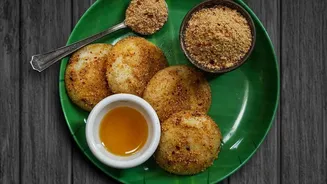
At the heart of every Onam celebration is the Sadya, a magnificent vegetarian feast that symbolises abundance and togetherness. Served on a fresh banana leaf, this culinary spectacle features anywhere from 20 to 30 dishes, each with a specific place and purpose.
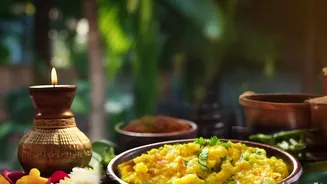
From the comforting dal and ghee (parippu) that starts the meal to the tangy pickles, rich coconut-based curries like avial, and the sweet finale of payasam, every flavour is a tribute to Kerala's rich agricultural heritage. The Sadya is more than just food; it's a shared experience of gratitude, prepared to honour the annual return of the benevolent King Mahabali. Participating in a Sadya, whether in a local home or a community hall, offers a delicious insight into the state’s deep-rooted traditions of hospitality and sharing.
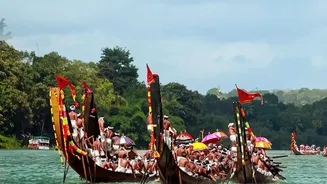
Witness the Thrilling Vallam Kali
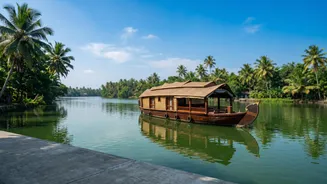
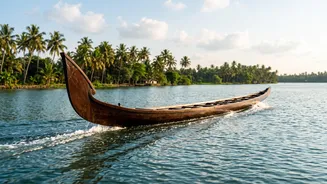
For a dose of pure adrenaline, nothing beats Vallam Kali, the famous snake boat races held on Kerala’s serene backwaters. These massive wooden boats, known as chundan vallams, can be over 100 feet long and are powered by up to 100 rowers paddling in perfect synchronisation. The air crackles with energy as the rowers chant traditional boat songs (vanchipattu) to the beat of pounding drums, creating a powerful rhythm that propels the boats forward at incredible speeds. More than just a race, Vallam Kali is a profound display of teamwork and community pride, with each boat representing a different village. Major events like the Nehru Trophy Boat Race in Alappuzha attract enormous crowds, making it a must-see spectacle of strength and spirit.
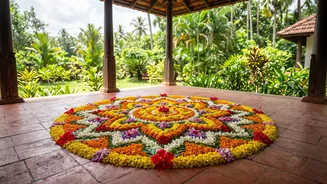
Create or Admire a Pookalam
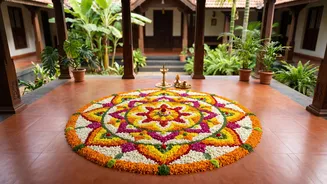
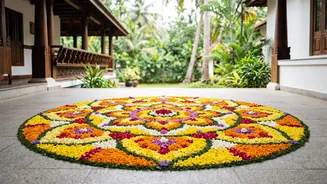
The most visible symbol of Onam is the Pookalam, an intricate floral carpet laid at the entrance of homes and public spaces. These beautiful, circular designs are made with fresh flower petals and serve as a colourful welcome for King Mahabali. The tradition begins on the first day of Onam with a small, simple ring of flowers. Each subsequent day, new layers and more complex patterns are added, allowing the Pookalam to grow in size and beauty, culminating in a grand design on the final day, Thiruvonam. It is a collective activity that brings families and communities together. Visitors can admire the stunning public displays and competitions or even participate in creating one for a hands-on connection to this beautiful art form.
Experience the Roar of Pulikali
On the fourth day of Onam, the streets of Thrissur erupt with a unique and wild energy thanks to Pulikali, the 'Tiger Dance'. This 200-year-old folk art form features performers whose bodies are painstakingly painted to resemble tigers and leopards, complete with stripes, masks, and bells. Dancing to the powerful beat of traditional percussion instruments like the chenda and thakil, these 'tigers' move through the streets, mimicking the playful and fierce movements of the animal. The performance, which revolves around the theme of a tiger hunt, is a vibrant, chaotic, and utterly captivating spectacle that has become synonymous with Onam in Kerala's cultural capital.
Watch the Graceful Thiruvathirakali
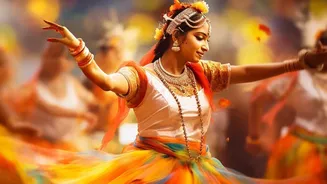
In contrast to the high-energy roar of Pulikali, Thiruvathirakali offers a vision of grace and elegance. Also known as Kaikottikali, this is a traditional group dance performed exclusively by women. Dressed in beautiful off-white and gold Kerala sarees with their hair adorned with jasmine flowers, the dancers move in a circle around a lit lamp (nilavilakku). Their movements are slow, synchronized, and lyrical, performed to the tune of folk songs that often praise deities or tell stories. The dance is a celebration of femininity and marital bliss and is a common sight in village squares and cultural centres during the Onam season. Its gentle rhythm and collective harmony provide a peaceful and enchanting cultural counterpoint to the festival's more boisterous events.