




Embrace Drought-Tolerant Natives
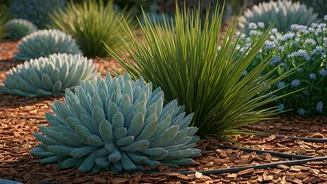
The first rule of creating a resilient garden is to choose plants that are naturally suited to your environment. Instead of water-guzzling exotic flowers, turn to India’s treasure trove of hardy, drought-tolerant species. Plants like bougainvillea, with
its riot of colourful bracts, thrives on neglect. Lantana, often seen growing wild, is a tough, beautiful choice that attracts butterflies. For vibrant ground cover in pots, consider Portulaca, fondly known as the '9 o'clock flower', which loves the sun and asks for little water. Succulents and cacti are other obvious choices, offering stunning variety in shapes and textures. By choosing native or adapted plants, you’re not just saving water; you’re creating a garden that works with, not against, our climate, reducing the need for chemical fertilisers and pesticides.
Master the Art of Smart Watering
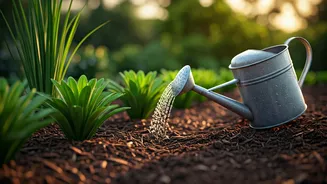
In a country facing growing water scarcity, every drop counts. The goal isn't to stop watering, but to water intelligently. Water your plants deeply but infrequently, allowing the soil to dry out slightly between sessions. This encourages roots to grow deeper in search of moisture, making them more resilient. The best time to water is in the early morning before the sun gets strong, which minimises evaporation. Avoid watering in the heat of the day, when most of the water will be lost to the air. You can also consider recycling 'grey water' from your kitchen—the water used to wash vegetables or rice is packed with nutrients that your plants will love. For a low-tech solution, burying a small, unglazed earthen pot (a 'matka' or 'ghada') in your larger containers and filling it with water allows for slow, steady seepage directly to the roots.
Build a Soil That Holds Water
The foundation of any successful garden is its soil. For container gardening in a hot climate, your goal is to create a potting mix that can act like a sponge. Standard garden soil can become compacted and dry out quickly in pots. Instead, create a mix that prioritises water retention. The magic ingredient here is cocopeat (or coir pith), a byproduct of the coconut industry. It can hold several times its weight in water, releasing it slowly to the plant's roots. A good basic mix is one part soil, one part compost, and one part cocopeat. The compost provides essential nutrients, reducing the need for chemical fertilisers, while the cocopeat ensures your plants stay hydrated for longer, even during scorching summer afternoons.
Protect Your Soil with Mulch
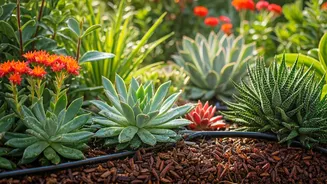
Leaving the topsoil in your pots exposed to the sun is like inviting evaporation. The simple act of mulching—covering the soil with a protective layer—is one of the most effective water-saving techniques. You don't need fancy materials. A layer of dried leaves, wood chips, small pebbles, or even crushed sugarcane (bagasse) works wonders. This layer insulates the soil, keeping it cooler and significantly reducing the amount of water lost to the air. Mulch also prevents soil from splashing out during watering and suppresses weed growth. It mimics the natural forest floor, where a layer of fallen leaves protects the earth beneath, keeping it moist and fertile.
Create a Humid Micro-Oasis
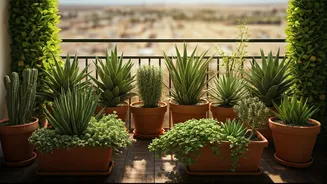
Don't isolate your plants. Grouping them together creates a 'microclimate' that benefits the entire collection. As plants transpire (release water vapour from their leaves), they increase the humidity in the immediate vicinity. When pots are clustered together, they collectively create a pocket of humid air that reduces water loss for every plant in the group. This is particularly effective for plants that enjoy higher humidity but may struggle in a dry, breezy balcony. This simple arrangement strategy helps your balcony become a small, self-sustaining oasis, cooling the air around it and providing a refuge for small birds and beneficial insects, turning your small space into a vibrant, living ecosystem.