





More Than Just a Craving
That sudden, intense desire for a hot snack on a rainy day isn’t just in your head; it’s rooted in both science and ancient wisdom. The drop in temperature and sunlight can lower serotonin levels, our natural mood-booster, making us seek out warm, comforting
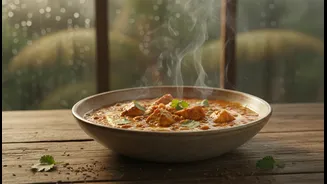
foods. Ayurveda, India’s traditional system of medicine, has long understood this seasonal shift. During 'Varsha Ritu' (the monsoon season), the body's digestive fire, or 'agni', is believed to be weaker. This makes our system naturally gravitate towards warm, well-spiced, and easily digestible meals like soups, stews, and freshly cooked foods, while steering clear of heavy or raw items that are harder to process. This is why a simple, hot meal feels so deeply satisfying when it’s gloomy outside.
The Undisputed Classics
When we talk about monsoon foods, a few key players dominate the scene. The holy trinity of masala chai, pakoras, and bhutta (roasted corn on the cob) is an unshakeable cultural institution. The ritual of huddling together while crispy, deep-fried fritters emerge from a hot wok is a core memory for millions. Whether it's onion, potato, or spinach pakoras, these golden bites paired with a spicy chutney are the definition of monsoon comfort. Similarly, the smoky aroma of bhutta being roasted over hot coals at a roadside stall, slathered with lemon, salt, and chilli, is synonymous with rainy evenings. These aren't just snacks; they are multi-sensory experiences steeped in nostalgia and the simple joy of slowing down to watch the rain fall.
A Journey Through Regional Flavours
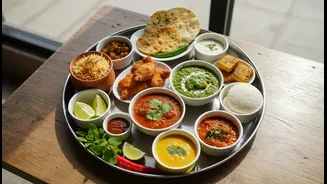
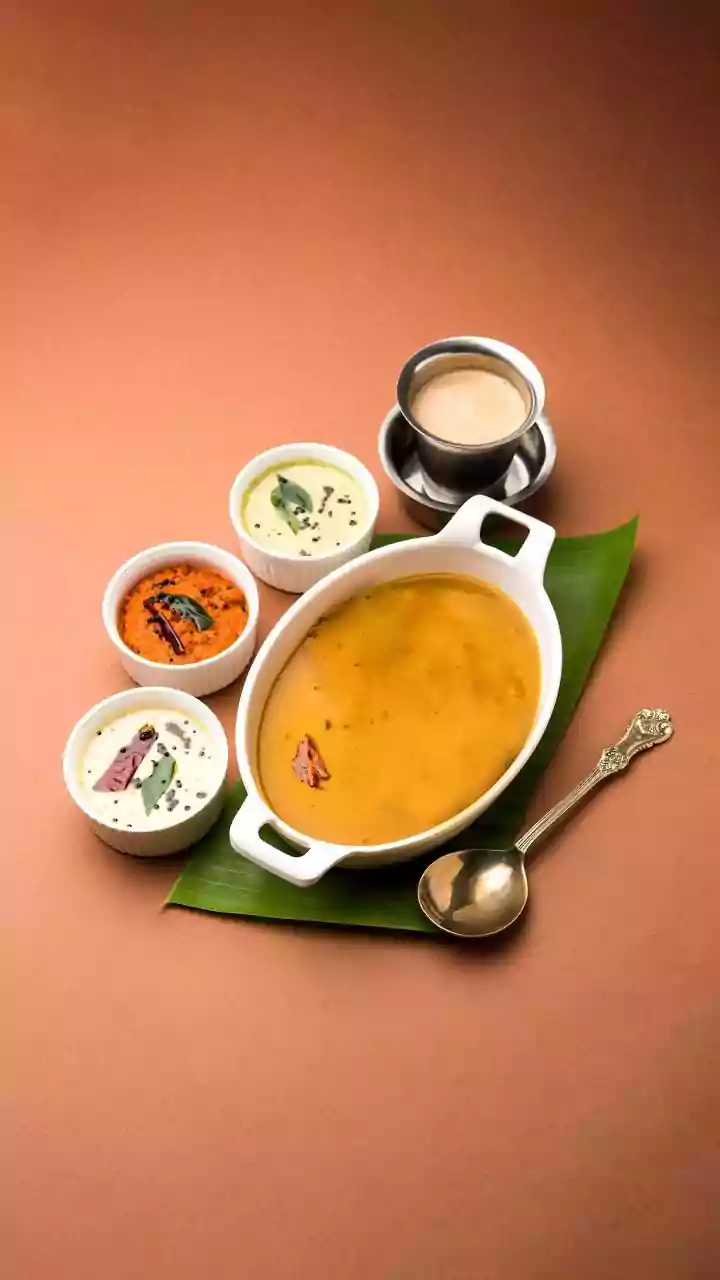
While pakoras and chai might be universal, India’s diverse culinary map offers a rich tapestry of regional monsoon specialities. In Maharashtra, the beloved Vada Pav becomes an even more essential pick-me-up. Further north, Rajasthan celebrates with the flaky Pyaaz Kachori and the intricate, honeycomb-shaped dessert Ghewar. Journey east, and Bengal welcomes the season with its prized Ilish Maach, the hilsa fish often cooked in a pungent mustard gravy. Down south, Kerala’s Parippu Vada (lentil fritters) and warming bowls of Rasam, a tangy and spicy soup, provide comfort from the damp chill. Each dish is a reflection of local ingredients and traditions, showcasing how different parts of the country embrace the season with their own unique flavours.
The 2026 Reinvention
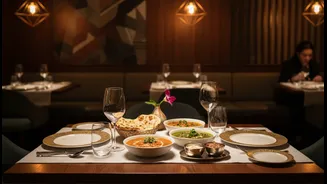
This is where the conversation gets a modern update. The headline-making trend this monsoon is the rise of the 'comfort bowl'. Chefs and home cooks are reimagining classic meals for contemporary tastes, serving them as convenient, all-in-one bowls. Traditional comfort foods like Khichdi are being elevated with toppings like pan-seared mushrooms, while Rajma Chawal is being deconstructed into layered bowls with pickled onions and fresh salads. The trend extends to fine dining as well. Luxury hotels are curating sophisticated monsoon menus, transforming street food favourites into gourmet experiences like a Jamun Chaat Tart or serving assorted pakodas with artisanal house-made chutneys. It’s a sign that these traditions are not just surviving but thriving, adapted for a new generation that values both authenticity and innovation.