







The Rise of the Weekend Explorer
The traditional concept of saving up all year for one big holiday is fading. Today's traveller, especially younger professionals, prefers spreading their leave across multiple short breaks. Recent travel reports highlight this shift, with a significant
number of travellers opting for several getaways lasting just two to three nights instead of a single long vacation. This change is fuelled by more flexible work cultures, including hybrid and remote work models, which allow for spontaneous and easier travel planning. Rather than waiting months for a big trip, people are seizing long weekends and quiet periods to recharge. This 'micro-vacation' trend is not just about escaping the city; it’s about maximising experiences throughout the year, with studies suggesting that the happiness boost from frequent, shorter trips can be more sustained.
A Culinary Map on Your Doorstep
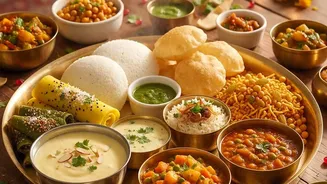
For the domestic tourist in India, this new travel style unlocks a world of flavour. India’s cuisine is not a single entity but a continent of different culinary traditions that change every few hundred kilometres. A short trip is the perfect format to dive deep into one specific regional food culture without feeling rushed. A weekend flight from Delhi can land you in Amritsar, ready to taste authentic kulchas and chole. From Mumbai, a quick drive down the coast opens up the world of Malvani seafood. For those in Bengaluru, a road trip to Coorg offers the chance to sample its unique Pandi curry. These brief, focused trips allow travellers to move beyond generic tourist fare and experience food that is intrinsically tied to a region's land, climate, and history.
Good for the Wallet, Great for the Soul
One of the most practical benefits of taking several short breaks is the financial accessibility. A two-week holiday requires significant savings for flights, extended hotel stays, and activities. In contrast, a weekend getaway is far more budget-friendly. Less money is spent on accommodation and transit, freeing up funds to be spent on what matters most: the experience itself. For food lovers, this means indulging in celebrated local restaurants, signing up for a cooking class, or exploring vibrant street food markets without the financial strain of a long, expensive holiday. This approach makes culinary exploration a regular habit rather than a once-a-year luxury, allowing for a steady accumulation of rich memories and tastes throughout the year.
More Than Just a Meal
Culinary tourism in India is booming, recognised as one of the fastest-growing travel segments. This is because food acts as a powerful gateway to understanding local culture. When you travel for a specific dish, you're not just consuming a meal; you're engaging with a region's heritage. A food-focused trip encourages interactions with local producers, small restaurant owners, and communities. It supports local economies directly, ensuring that tourism benefits farmers and small businesses. Learning about the ingredients, the traditional cooking methods, and the stories behind a recipe provides a much deeper and more authentic connection to a place than simply visiting its famous monuments. It transforms a simple holiday into a meaningful cultural immersion.
Planning Your Culinary Getaway
Embracing this travel style is easy. Start by looking at a map and identifying regions with distinct cuisines within a few hours of your city by road, rail, or a short flight. Research is key: look up GI-tagged food products, local specialities, and iconic eateries that are popular with residents, not just tourists. Many destinations now offer curated food walks, culinary trails, and hands-on cooking workshops that provide structured yet authentic experiences. Don't be afraid to travel spontaneously. Many travellers now book their trips within a week, or even on the day of departure, adding to the sense of adventure. The goal is to be focused, savour the local flavours, and return refreshed, already anticipating the next delicious destination.