




Beyond the Postcard-Perfect Views
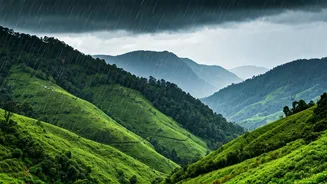
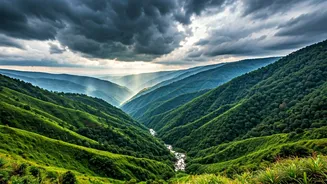
When you think of a hill station, chances are you picture colonial-era buildings, a bustling mall road, and viewpoints swarming with tourists. Jowai, the headquarters of the West Jaintia Hills district, subverts these expectations entirely. While it boasts
the rolling hills and pleasant climate characteristic of its peers, its true appeal lies in its serene atmosphere and deep cultural roots. This is a town that hasn’t been reshaped for tourism; instead, it invites you to experience life as it is, offering a peaceful retreat for those seeking tranquility over tourist traps. It is the homeland of the Pnar people, and their vibrant traditions are woven into the very fabric of the landscape, providing a travel experience that is as educational as it is refreshing.
A Symphony of Waterfalls
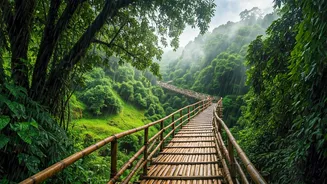
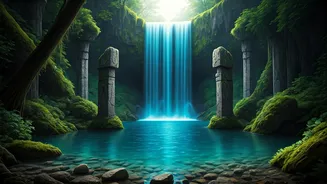
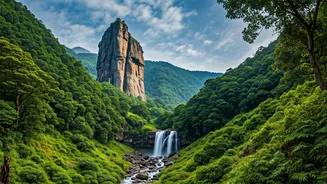
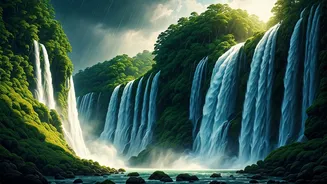
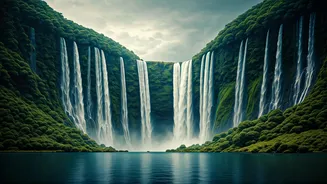
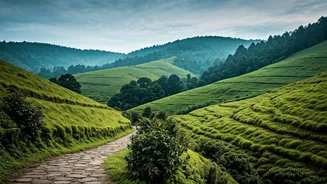
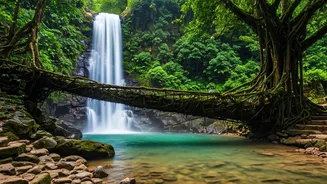
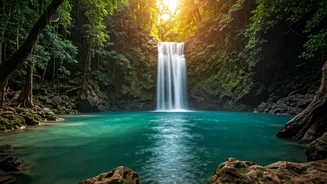
Jowai’s surroundings are blessed with some of Meghalaya’s most breathtaking waterfalls. Chief among them is the Krang Suri waterfall, a magical spot renowned for its brilliant turquoise pool. A short trek through lush greenery leads you to this natural swimming pool, where you can take a dip in the crystal-clear water. Then there is Tyrshi Falls, often called Jowai's answer to Shillong's famous Elephant Falls, but many claim it is grander. A charming arched bridge over emerald paddy fields leads to viewpoints offering panoramic vistas of the falls cascading down in delicate streams. Unlike their more famous counterparts, these waterfalls remain relatively uncrowded, allowing for a more intimate and peaceful communion with nature.
Echoes of an Ancient Kingdom
Jowai is a gateway to the fascinating history of the Jaintia kings. A short drive away lies Nartiang, which once served as the summer capital of the Jaintia Kingdom. Here, you'll find the Nartiang Monoliths, the largest collection of megalithic stones in Meghalaya. These towering upright stones (menhirs) and flat table stones (dolmens) were erected between the 16th and 19th centuries to commemorate victories and honor tribal ancestors. The tallest menhir stands over eight meters high, a silent, powerful testament to the strength and ingenuity of the ancient Pnar people. Wandering through this 'garden of monoliths' feels like stepping into an open-air museum, connecting you to a history that is centuries old yet palpably present.
The Heartbeat of Pnar Culture
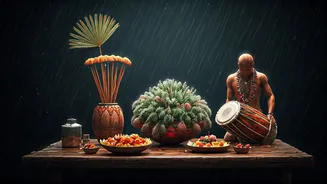
To truly understand Jowai, one must experience its living culture. The town is the epicentre of the Behdeinkhlam festival, the most important cultural event for the Pnar people. Celebrated annually in July, this vibrant festival is a ritual to drive away plague and evil spirits and to pray for a bountiful harvest. The celebration involves symbolic gestures like beating roofs with bamboo poles, and culminates in a spectacular procession where towering, decorated bamboo structures called 'rots' are immersed in a sacred pool. The festival is a joyous, energetic affair filled with dance, music, and traditional games, offering a stunning insight into the Niam Tre religion and the deep community bonds of the Pnar tribe.
Adventures in Unseen Landscapes
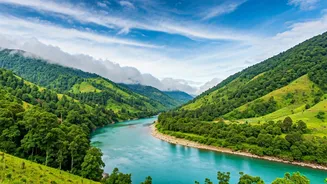
Beyond waterfalls and monoliths, Jowai's landscape offers unique adventures. The region is dotted with some of the longest and deepest cave systems in India, like the Umlawan Cave, which beckons spelunkers and thrill-seekers. For a more tranquil experience, visit the serene Thadlaskein Lake, a man-made lake steeped in local legend, perfect for a quiet picnic or boating. Nature lovers will also be intrigued by the Jarain Pitcher Plant Lake, a conservation site for rare carnivorous plants. These attractions, along with the scenic beauty of spots like Syntu Ksiar on the Myntdu River, round out Jowai’s profile as a destination that caters to the curious and adventurous traveller.