



The Two Main Categories: Inflammatory vs. Non-Inflammatory
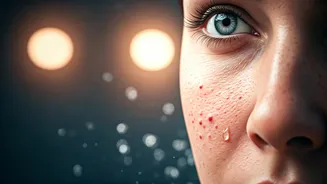
At the highest level, acne is divided into two main types: non-inflammatory and inflammatory. [10, 22] Non-inflammatory acne includes clogged pores that aren't red or swollen, like blackheads and whiteheads. [10, 27] Inflammatory acne, as the name suggests,
involves redness, swelling, and often pain. [6, 27] This happens when bacteria get into the clogged pore, triggering an immune response. [6, 22] Papules, pustules, nodules, and cysts fall into this more severe category. [2, 3]
Non-Inflammatory Acne: Whiteheads and Blackheads
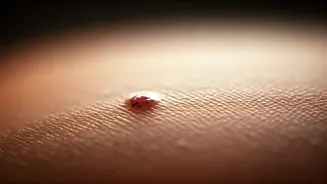
This is the mildest form of acne, also known as comedonal acne. [1, 3] It happens when pores get clogged with excess oil and dead skin cells. [4, 14] If the clogged pore stays closed at the top, it’s called a whitehead. [4, 10] If it opens up and the contents are exposed to air, they oxidise and turn dark, creating a blackhead. [3, 15] Despite their appearance, blackheads are not caused by dirt and can't simply be washed away. [15]
Inflammatory Acne: Papules and Pustules
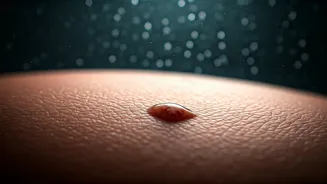
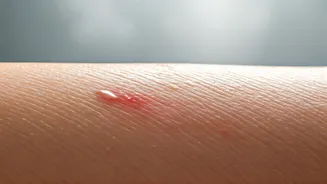
This is what most people think of as a classic pimple. Papules are small, red, tender bumps that form when a clogged pore becomes inflamed. [3, 4] Pustules are similar, but they contain pus, giving them a white or yellow centre. [4, 10] This pus is the result of your immune system sending white blood cells to fight the bacteria inside the pore. [6] While tempting, trying to pop them can often lead to more inflammation or scarring. [14]
Severe Acne: Nodules and Cysts
Nodules and cysts are severe forms of inflammatory acne that develop deep under the skin. [3, 14] Nodules are large, solid, painful lumps that feel firm, almost like hard knots. [11, 13] Cysts are also large and painful, but they are softer because they are filled with pus. [6, 7, 9] Both types can last for weeks or months and have a high risk of causing permanent scarring, so they should always be treated by a dermatologist. [3, 7, 11]
The Impostor: Fungal Acne
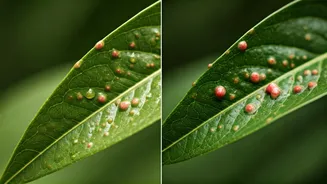
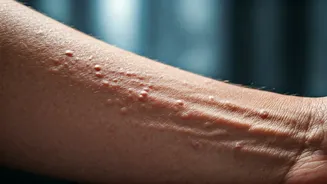
Often mistaken for regular acne, fungal acne is actually an infection of the hair follicles caused by an overgrowth of yeast (Malassezia). [5, 18, 21] It typically appears as small, uniform, itchy bumps, often on the chest, back, and forehead. [1, 8, 25] Unlike bacterial acne, it doesn't usually feature a variety of pimple sizes and is very itchy. [16, 21] Fungal acne thrives in warm, moist environments and won't respond to traditional acne treatments. [16, 18]
The Pattern: Hormonal Acne
Hormonal acne isn't a separate type so much as a trigger for other types. [19] It's caused by fluctuations in hormones like estrogen and testosterone, which can increase oil production. [1, 23, 24] It's common in women and often appears in a distinct pattern, typically along the jawline, chin, and lower cheeks. [20, 26] Breakouts often sync with menstrual cycles, pregnancy, or menopause and can present as anything from whiteheads to painful cysts. [4, 20, 23]