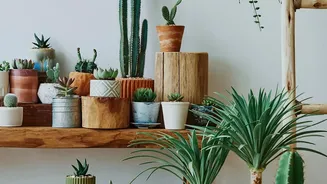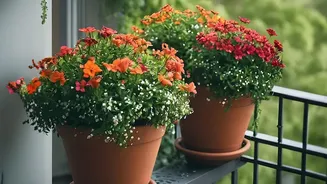





A balcony garden brings joy and greenery to city life, but harsh, cold winds can quickly damage your beloved plants. Protecting your tender blooms doesn't require a greenhouse, just a few smart strategies to keep them safe and thriving.
Create a Physical Windbreak
The most direct
way to protect plants is to block the wind. You don't need a permanent structure; a simple, temporary screen can be highly effective. Burlap, horticultural fleece, or even an old sheet can be attached to your balcony railing to create a windbreak. The key is to use a breathable fabric that filters the wind rather than blocking it completely, as a solid barrier can create damaging turbulence. For a more integrated look, a lattice panel can also serve as a windbreak while providing a structure for climbing plants. Ensure any barrier is securely fastened to withstand strong gusts.
Huddle for Warmth and Shelter
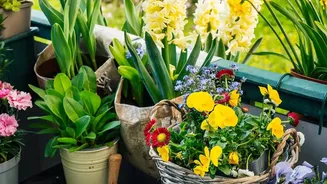
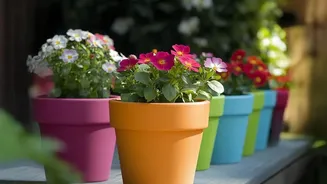
There's strength in numbers, even for plants. Grouping your pots together creates a collective microclimate, reducing the impact of wind on each individual plant. Place the most delicate or wind-sensitive plants in the centre of the cluster, with hardier, more robust plants forming a protective outer ring. This huddling strategy helps them share warmth and shields the more vulnerable foliage from the worst of the cold air. Placing the entire group against a house wall can add even more protection, as walls absorb heat during the day and radiate it back at night.
Insulate the Pots and Roots
A plant's roots are its lifeline, and in a pot, they are far more exposed to cold than they would be in the ground. The pot itself can transfer damaging cold directly to the root ball. To prevent this, insulate your pots. Wrapping them in materials like bubble wrap, burlap, or old blankets can make a significant difference. For a more aesthetic solution, you can hide the bubble wrap with a decorative layer of burlap tied with twine. Also, elevate your pots off the cold concrete floor using 'pot feet' or wooden boards to prevent ground frost from reaching the roots and to ensure proper drainage.
Protect the Soil Surface
Insulating the pot from the sides is crucial, but don't forget the top. Applying a layer of mulch—such as straw, pine needles, or wood chips—on the surface of the soil acts like a blanket for the roots. This layer helps regulate soil temperature, prevents moisture loss from drying winds, and protects the upper roots from frost. Be careful not to pile the mulch directly against the plant's stem, as this can trap too much moisture and lead to rot. A two to three-inch layer is generally sufficient.
Adjust Your Watering Routine
While wind can dry out plants, overwatering in the cold is a greater danger. Waterlogged soil that freezes can severely damage or kill the roots. Before a predicted cold snap, water your plants well, as moist soil retains more heat than dry soil. However, during the cold season, reduce the frequency of watering. Always check if the top inch or two of soil is dry before watering again. Water during the warmest part of the day to give it time to absorb before temperatures drop at night, and try to avoid getting water on the leaves.
Know When to Bring Them Inside
Some plants are simply too tender to survive harsh winter conditions, no matter how much you protect them. Tropical and sub tropical plants, many annuals, and very young seedlings should be brought indoors when temperatures consistently dip. Most tropicals become stressed when temperatures fall below $10^oC$. If you don't have space inside your home, even a garage, enclosed porch, or storage locker can offer enough protection to get them through the coldest nights. Sort your plants into hardy, borderline, and tender categories to make this decision easier.