



Understanding the Autumn Challenge
Autumn in Spiti, from late September to November, is a season of sharp contrasts. Days can be sunny and pleasant, but temperatures plummet dramatically as night falls, often dipping well below freezing. While the summer crowds have thinned, the weather
becomes unpredictable. The primary challenge is the cold, but a more significant risk is the potential for early snowfall, especially on high passes like Kunzum La (4,551 metres), which can lead to road closures and leave travellers stranded. This is the shoulder season, where beauty and risk go hand in hand.
Your Route: Choose with Caution
There are two main arteries into Spiti Valley: one from Shimla via Kinnaur and the other from Manali. For an autumn trip, the Shimla-Kaza highway is the far safer bet. It remains open for most of the year and allows for gradual acclimatisation, which is crucial for preventing altitude sickness. The Manali-Kaza route, while shorter and more dramatic, involves crossing the high-altitude Kunzum Pass. This pass typically closes by mid-to-late October due to snow, sometimes even earlier. Relying on the Manali route late in the season is a significant gamble; getting stuck on that side is a real possibility. Always check the latest road status from official sources like the Border Roads Organisation (BRO) before you start.
The Golden Rule: Respect the Altitude
Acute Mountain Sickness (AMS) is the single biggest health risk when travelling to Spiti. It is caused by ascending too quickly to high altitudes where oxygen levels are lower. Symptoms range from mild headache, nausea, and fatigue to severe, life-threatening conditions like High-Altitude Cerebral Edema (HACE). The best prevention is gradual ascent. If you take the recommended Shimla route, your body gets more time to adjust. Stay hydrated, avoid alcohol, and do not overexert yourself in the first few days. Some travellers consult a doctor about taking acetazolamide (Diamox) to aid acclimatisation, but this should only be done under medical advice. Listen to your body; if symptoms worsen, the only cure is to descend to a lower altitude immediately.
Prepping Your Vehicle for the Terrain
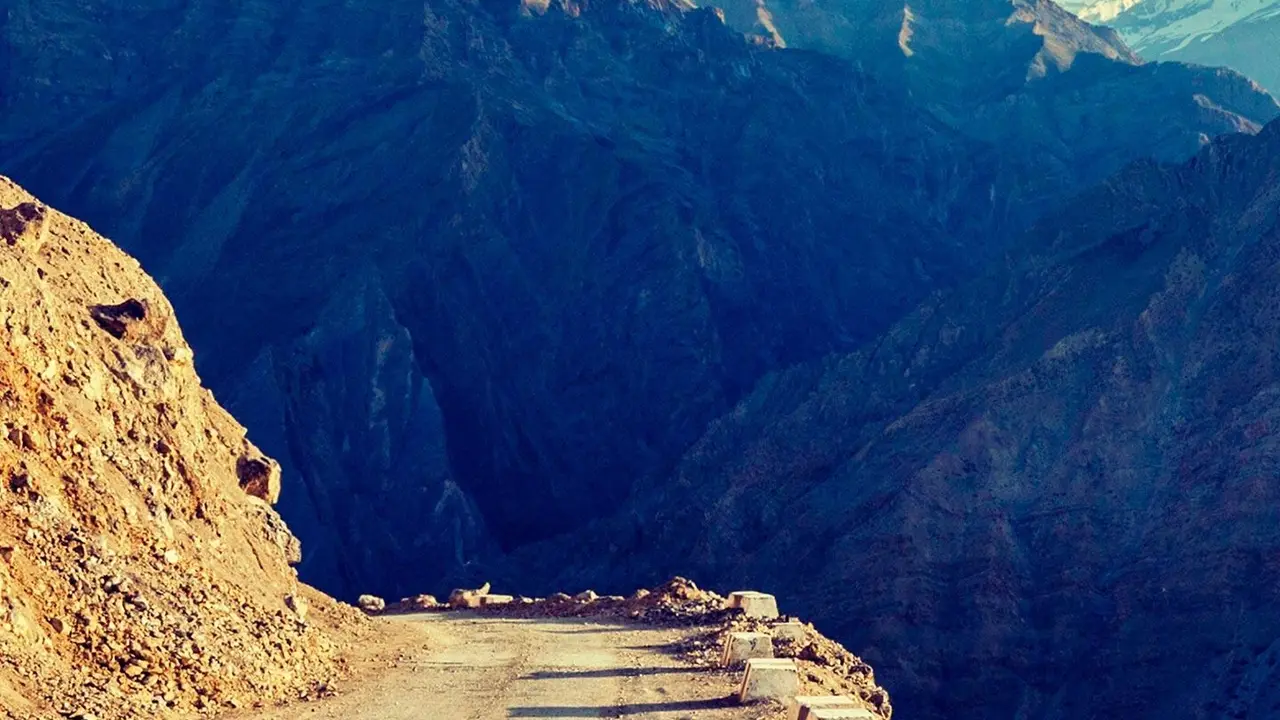
Spiti’s roads are notoriously tough, a mix of paved sections and rugged dirt tracks. Your vehicle needs to be in top condition. Before you leave, conduct a thorough service. Pay special attention to your tyres (including the spare), brakes, suspension, and all fluid levels (engine oil, coolant, brake oil). For the cold, ensure your car's coolant has the right antifreeze mixture. The roads are dusty, so a clean air filter is essential. If driving a 4x4, engage it on rough patches. For any car, a basic toolkit, a puncture repair kit, and a portable air compressor are non-negotiable items. Given the remoteness, knowing how to perform basic checks and change a tyre is a vital skill.
Packing for a Cold Desert
Layering is the most effective way to dress for Spiti's fluctuating temperatures. Your packing list should include thermal innerwear, fleece mid-layers, and a windproof, waterproof outer jacket. Don't forget woollen socks, gloves, a warm cap or beanie, and a scarf. The sun at high altitudes is harsh, so UV-protection sunglasses, sunscreen (SPF 50+), and lip balm are crucial to prevent sunburn and snow blindness. Sturdy, comfortable shoes with good grip are a must. Since ATMs are scarce and often out of cash, and mobile networks are unreliable outside of Kaza (where BSNL works best), carry enough cash and inform your family of your itinerary beforehand.