




The Science of a Satisfying Bite
The phenomenon behind this is called sensory-specific satiety. It’s a term researchers use to describe how our enjoyment of a food decreases as we eat more of it. Your brain gets tired of the same taste, smell, and texture. After several bites of the same uniform
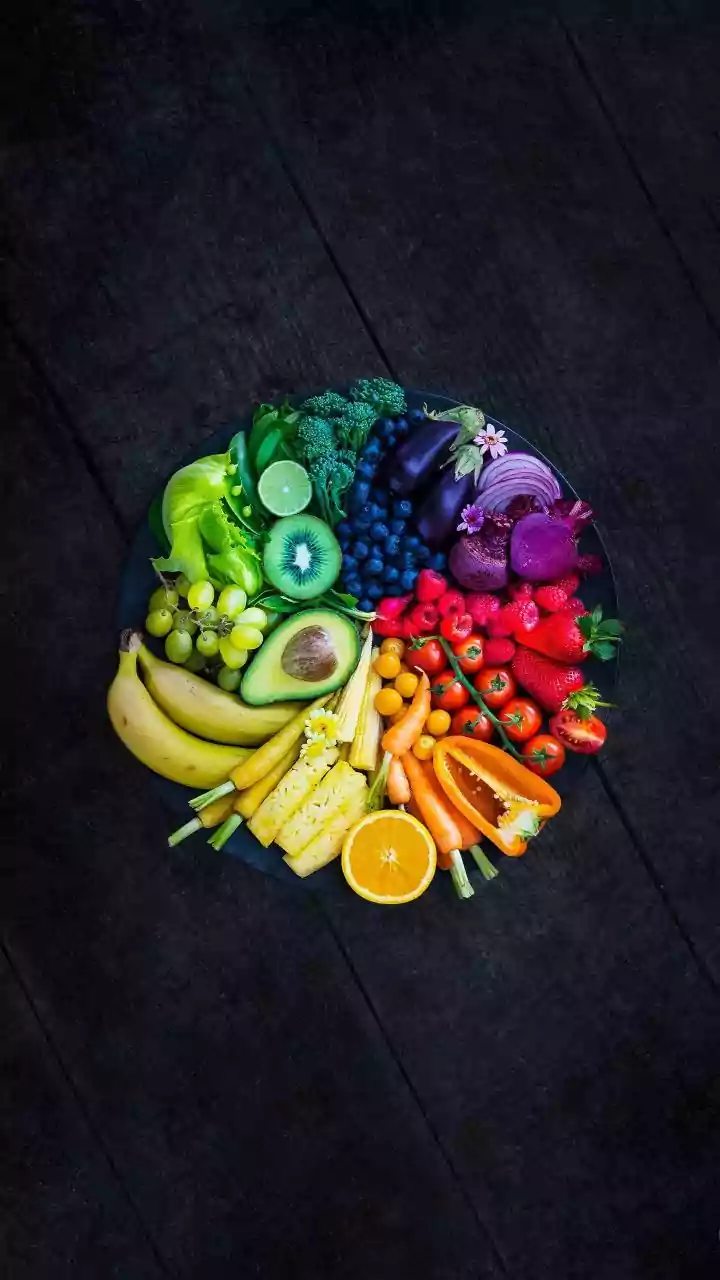
thing, be it a creamy soup or a simple bowl of rice, your brain essentially says, “Okay, I get it,” and your pleasure diminishes. This is why, even when you're full after a main course, you suddenly find room for a dessert with a completely different flavour profile. The novelty of a new sensory experience renews your appetite. Studies have shown that people eat significantly more when offered a variety of foods, like at a buffet, compared to a single-item meal. This drive for variety is an evolutionary trait that encouraged our ancestors to seek out a range of nutrients.
Why Your Brain Craves Contrast
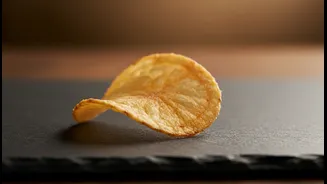
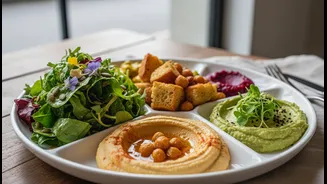
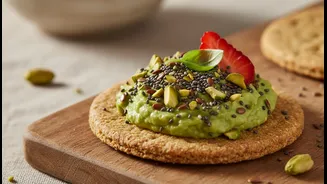
It’s not just about flavour. Texture is a powerful, though often subconscious, driver of how much we enjoy our food. The physical sensations in our mouth—the crunch of a chip, the creaminess of avocado, the chewiness of fresh bread—all contribute to the overall experience. A meal with only one texture quickly becomes monotonous; chefs call this “palate fatigue.” By introducing contrasting textures, you keep the brain engaged. Think of the classic pairing of a creamy soup with crunchy croutons. The contrast prevents the dish from feeling flat and makes each spoonful more interesting. This interplay of soft, creamy, crunchy, and chewy creates a more dynamic and memorable meal, stimulating the senses in a way that flavour alone cannot.
Lessons from the Chef’s Kitchen
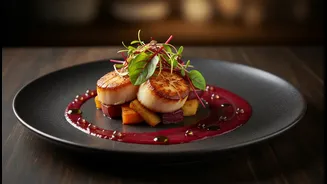
Professional chefs are masters of manipulating texture to create exciting dishes. They build layers of textural contrast to add depth and complexity. A dish might start with a smooth, soft base like a vegetable puree, get topped with a perfectly seared piece of fish with a crisp skin, and then be finished with a sprinkle of toasted nuts for a final, crunchy element. This layering isn't accidental; it's a deliberate technique to make every bite balanced and engaging. Even simple garnishes play a crucial role. A sprinkle of flaky salt, some crispy fried onions, or fresh herbs not only add flavour but also introduce a textural surprise that elevates the entire dish from good to great. These small additions are what often separate a restaurant meal from a home-cooked one.
Putting It on Your Plate at Home
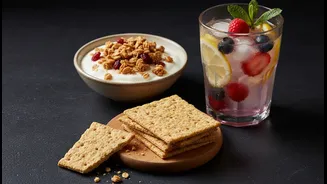
You don’t need professional training to apply these principles. The key is to think in terms of simple additions that offer a contrasting texture or a burst of fresh flavour. Making a creamy dal or curry? Finish it with a dollop of yogurt, a squeeze of lime, and a sprinkle of crunchy toasted seeds or crispy onions. A simple bowl of pasta becomes more dynamic with a topping of toasted, garlicky breadcrumbs. Salads are a natural playground for texture: combine crisp lettuce with creamy avocado, soft cheese, and crunchy nuts or seeds. Even your morning oatmeal or yogurt can be transformed with a handful of granola, fresh berries, and a drizzle of honey. The goal is to add a small element of surprise—a pop of acidity, a bit of crunch, or a touch of creaminess—to break the monotony and make each mouthful a new experience.