







One Ticket to the Wild
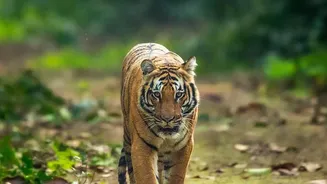
Imagine booking a multi-day trip to a top tiger reserve with a single click. Your train tickets, hotel stays, local jeep transfers, and even the often hard-to-get safari permits are all sorted in one go. This is the promise of all-inclusive rail tour
packages, an idea being championed by Indian Railway Catering and Tourism Corporation (IRCTC) and other operators. These aren't just regular train tickets; they are curated itineraries bundled into one affordable price. For example, a recent partnership between IRCTC and the Maharashtra Forest Department aims to create seamless packages for destinations like Tadoba and Pench. The goal is to eliminate the logistical headaches of planning a wildlife trip—a major barrier for students and young professionals—by offering a single, hassle-free booking.
The Power of the Package Deal
The primary driver of this trend is affordability. A traditional multi-day wildlife safari can be prohibitively expensive, with costs for private jeeps, high-end lodges, and separate travel quickly adding up. Some luxury safari experiences can cost thousands of dollars. In stark contrast, IRCTC's theme-based tourist trains, such as the Bharat Gaurav trains, operate on a different model. These packages bundle non-AC or AC train travel, dormitory or budget hotel accommodation, bus transfers, and meals into a single price that is a fraction of the cost of a la carte booking. While many of the most prominent packages focus on pilgrimage routes, the underlying model is now being adapted for wildlife tourism, making it financially viable for young travelers who are often on a tight budget.
More Than Just Saving Money
While the low cost is the initial draw, the appeal goes much deeper for a generation that values experiences over possessions. Rail travel itself offers a sense of romance and adventure that flights cannot match. The long journeys become part of the holiday, offering a chance to unwind, socialize with fellow travelers, and watch the Indian landscape unfold from the window. These package tours foster a communal atmosphere, turning a solitary trip into a shared adventure. For young people, especially solo travelers or small groups, this provides a safe and structured way to explore remote areas without the stress of navigating complex bookings and transfers on their own. The convenience of having an entire itinerary managed by a single operator is a massive advantage.
Connecting with Nature, Responsibly
This new wave of rail tourism also aligns with a growing environmental consciousness among young Indians. Choosing a train over a flight or a private car significantly reduces one's carbon footprint. Furthermore, these organized tours have the potential to promote sustainable tourism. By partnering directly with state forest departments, as seen in Maharashtra, IRCTC aims to support local conservation efforts and create livelihood opportunities for communities living near wildlife reserves. Officials believe that making these natural wonders more accessible will not only boost tourism but also strengthen public awareness and support for wildlife conservation, ensuring these habitats are protected for future generations.
The New Wildlife Corridors
The network of these accessible wildlife circuits is expanding. A recent initiative will create five curated itineraries in Maharashtra, covering popular tiger reserves like Tadoba-Andhari, Pench, and Navegaon-Nagzira. Beyond these new packages, existing train routes already bring travelers close to major national parks. The Vande Bharat Express, for instance, has improved connectivity to stations near reserves like Ranthambore and Sariska in Rajasthan. Past IRCTC packages have also included destinations like Bandhavgarh National Park in Madhya Pradesh. As the model proves successful, more of India’s 50-plus tiger reserves and numerous national parks could become part of these budget-friendly rail circuits, truly democratizing access to the country’s incredible biodiversity.