


More Than Just a Snack
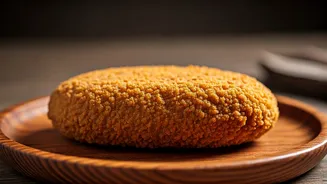
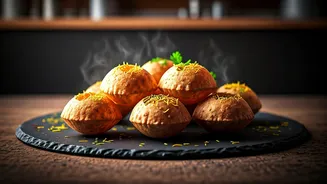
The cutlet is more than just an evening snack; it's an institution. For generations, the process of making cutlets has been a cherished ritual in many Indian homes. It begins with the humble potato, a vegetable introduced to India and popularised during
the colonial era. The British may have intended it as a way to make tough meat more palatable by mincing it and mixing it with mashed potatoes, but Indian kitchens transformed the concept entirely. Soon, the cutlet became a canvas for culinary creativity, absorbing leftover sabzis, fresh vegetables, paneer, and a variety of dals. In Indian culture, where food is a primary medium for strengthening familial bonds, the cutlet evolved into a symbol of hospitality and warmth. The act of preparing and sharing them became a gesture of generosity, an event that brought people together.
An Act of Rebellion Against Convenience
In recent years, the convenience of food delivery apps has reshaped urban Indian lifestyles. With a few taps, a world of cuisines can arrive at your doorstep, making the idea of cooking feel like a chore. Surveys show that convenience, time-saving, and a desire to avoid cooking are primary drivers for app usage. However, a growing fatigue with the impersonal nature of restaurant meals—often perceived as oily, heavy, and lacking the 'warmth' of home cooking—is setting in. This has sparked a counter-movement. Families are consciously choosing to reclaim their kitchens, and the cutlet is one of their favourite tools of rebellion. It's a stand against the 'Swiggy-fication' of daily life, a deliberate choice to invest time in creating something together. This trend isn't just about saving money on commissions; it's about the irreplaceable 'human connection' that comes from preparing a meal with loved ones.
The Irresistible Pull of Nostalgia
Food is deeply intertwined with memory. The aroma of spices, the sound of sizzling oil, and the texture of a perfectly crisp cutlet can transport us back to our childhood. This sensory experience triggers powerful feelings of comfort and belonging. For many, the taste of a homemade cutlet is the taste of a mother's love, of festive preparations, or of rainy afternoons spent with siblings. In a world where families are often geographically scattered, recreating these dishes helps preserve traditions and combat feelings of homesickness and cultural isolation. It’s a way of saying, “This is who we are, and this is where we come from.” The process of passing down a family recipe—grandma’s secret spice ratio, a parent’s technique for the perfect crumb coating—becomes a bridge between generations.
The New Sunday Ritual
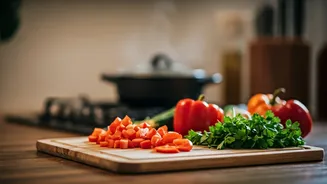
As a result, the humble cutlet is becoming the centrepiece of a new weekend ritual. The tasks are easily divided: one person boils and mashes the potatoes, another finely chops the onions and coriander, children enthusiastically shape the patties, and someone takes charge of the frying. It’s a collaborative, hands-on activity that fosters cooperation and communication. Involving children in meal preparation makes them more connected to their food and helps them develop healthy eating habits naturally. These shared moments in the kitchen are often more meaningful than the meal itself. They are filled with stories, laughter, and the simple joy of creating something together from scratch. This act of communal cooking reinforces a sense of belonging and strengthens the social fabric of the family.