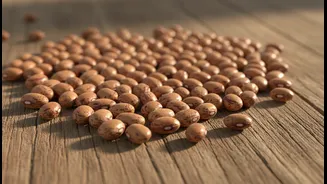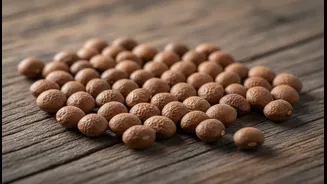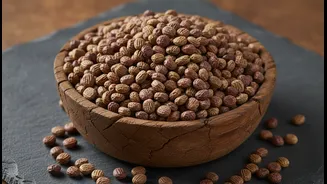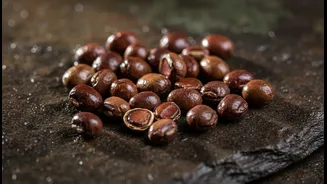








What Exactly is Horse Gram?
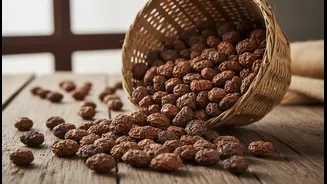
Known as kulthi dal in Hindi, kollu in Tamil, and ulavalu in Telugu, horse gram (Macrotyloma uniflorum) is a small, reddish-brown legume renowned for its robust, earthy flavour. Historically, it earned its English name because it was used as nutritious
fodder for horses and cattle. Thriving in arid conditions where other crops might fail, it has long been a symbol of resilience and a dependable source of nutrition in many parts of India, especially in the south. Though once considered a “poor man’s pulse” due to its low cost, its impressive nutrient profile is now gaining wider appreciation.
A Nutritional Powerhouse
Don't let its small size fool you; horse gram is packed with nutrients. It is an excellent source of plant-based protein, with about 22 grams per 100g, outperforming many other common lentils. It is also rich in dietary fibre, which aids digestion and promotes a feeling of fullness. Furthermore, it boasts the highest calcium content among pulses and is a significant source of iron and phosphorus, minerals essential for bone health, energy production, and preventing anaemia. This impressive combination of protein, fibre, and minerals makes it a highly valuable addition to any diet, particularly for vegetarians and vegans.
Exploring the Health Benefits
Traditional and modern science both point to several potential health benefits of consuming horse gram. It has been traditionally used in Ayurveda to address various ailments. One of its most cited benefits is its role in kidney health; studies suggest it may help in preventing the formation of kidney stones. The pulse's low glycemic index and high fibre content may help in managing blood sugar levels, making it a suitable food for individuals with diabetes. Additionally, its rich antioxidant profile can help combat inflammation, while its ability to lower 'bad' LDL cholesterol may contribute to better heart health.
Understanding the Limits and Side Effects
While highly nutritious, horse gram should be consumed in moderation. As an Ayurvedic 'heating' food, overconsumption might not be suitable for everyone, particularly those with acidity issues or peptic ulcers. Pregnant women are often advised to avoid it due to these same properties. The pulse contains certain carbohydrates that can cause gas and bloating in some individuals if eaten in large quantities. It also contains anti-nutrients like phytic acid, which can reduce the absorption of minerals. However, these effects can be significantly minimized by properly preparing the pulse through soaking, sprouting, or thorough cooking.
Bringing Horse Gram to Your Kitchen
Cooking with horse gram is simple, though it requires a bit more time than other dals. The first and most crucial step is to soak the beans overnight, or for at least 8 hours. This not only softens them but also makes them easier to digest. After soaking, they can be pressure-cooked for about 30-40 minutes until tender but not mushy. The cooked gram can then be used to make a variety of dishes. Popular preparations include a simple dal tempered with mustard seeds, garlic, and curry leaves, a flavourful and soupy rasam, or even sprouted and added to salads for a crunchy, nutritious boost.