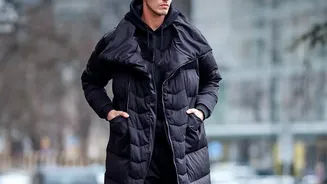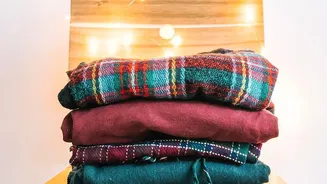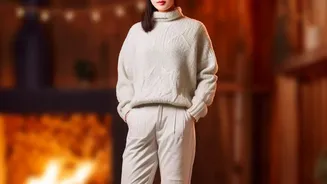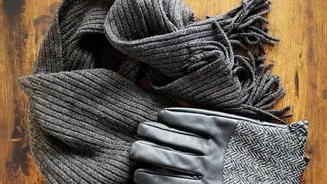




The annual winter dilemma is here: stay warm under bulky layers or sacrifice comfort for style? There’s a third option. Thermal base layers are the secret weapon for a sleek, warm, and fashionable winter wardrobe without the puffiness.
The Foundation of Winter Warmth
A base layer is
the piece of clothing worn directly against your skin. Its primary job isn't just to add warmth, but to manage moisture. When you move from the cold outdoors to a warm room, your body sweats to cool down. If that moisture is trapped against your skin, it will make you feel cold and clammy once you stop moving. A proper thermal base layer wicks that sweat away from your body, keeping you dry and comfortable. This moisture management is what allows a thin layer to provide such effective warmth, paving the way for lighter, more stylish outer layers.
Choosing Your Ideal Fabric
The material of your base layer is its most important feature. The three main contenders are merino wool, synthetics, and silk, each with distinct advantages. Merino wool is a popular choice for its incredible softness, natural odor resistance, and ability to insulate even when damp. This makes it perfect for long days with fluctuating temperatures. Synthetics, like polyester, excel at wicking moisture and dry very quickly, making them ideal for high-intensity activities. They are also generally more durable and affordable. Silk is a luxurious, lightweight option that feels great against the skin, but it doesn't handle moisture as well as wool or synthetics, so it's best for low-exertion days. Many modern base layers also use blends to offer the best of both worlds—the softness of merino with the durability and drying speed of synthetics.
The Art of Invisible Layering
The key to making thermal wear work with stylish outfits is to ensure it remains your secret. Start with a thin, close-fitting base layer. This is crucial, as a snug fit helps trap heat more effectively and prevents ripples or bunching under your clothes. Look for options with different necklines (crew, V-neck, turtleneck) and sleeve lengths to match the garments you plan to wear over them. A V-neck thermal top will disappear under a button-down shirt or V-neck sweater, while a crew neck is perfect for wearing under a round-collared knit. For dresses and skirts, fleece-lined or thermal leggings and tights provide a seamless layer of warmth without adding any visible bulk.
Effortless Styling for Any Occasion
Once you have the right base layers, integrating them is simple. For a professional look, a silk or fine-merino long-sleeved top can be worn under a blouse or a tailored dress, providing warmth without compromising the sharp silhouette of your outfit. On weekends, layer a thermal top under a cashmere sweater or a stylish flannel shirt for a look that is both cozy and put together. Don't be afraid to wear your favourite midi dresses in winter; just add a pair of opaque thermal tights and knee-high boots to close any gaps where cold air might sneak in. The goal is to let the base layer do the heavy lifting of insulation, freeing you to choose your outer layers based on style rather than pure necessity.
Thinking Beyond the Torso
True warmth is a head-to-toe commitment. While tops and leggings are the most common base layers, don't overlook the impact of smaller pieces. Merino wool socks are essential for keeping feet warm and dry, which can make a huge difference in your overall comfort. Similarly, merino wool or technical fabric underwear can add an extra touch of core warmth. Layering isn't just about piling on clothes; it's a strategic system. A wicking base layer, an insulating midlayer like a wool sweater or fleece, and a protective outer shell form a versatile combination that can be adjusted as conditions change, all while keeping the bulk to a minimum.