



The Golden Allure of an Autumn Escape
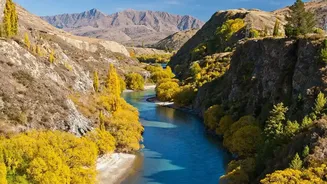
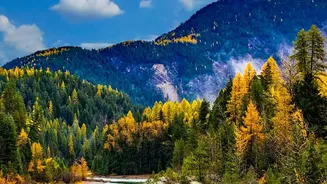
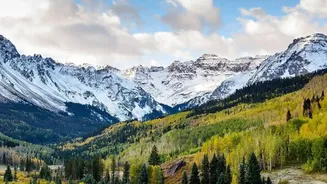
While popular hill stations see a dip in footfall post-monsoon, a different kind of magic awakens in Himachal's quieter corners. Autumn, spanning from late September to November, offers a spectacular travel window. The monsoon washes the landscape clean,
leaving behind lush greenery, while the skies turn a brilliant, clear blue. This season is defined by golden forests, comfortable daytime temperatures, and far fewer tourists, making it ideal for those who wish to connect with nature at a slower pace. It is this desire for peaceful, authentic experiences that is putting destinations like Shoja and Tirthan Valley on the discerning traveller's map.
Shoja: A Quiet Hamlet Above the Clouds
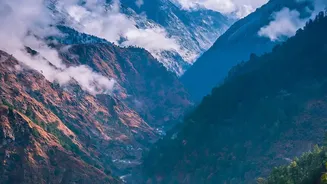
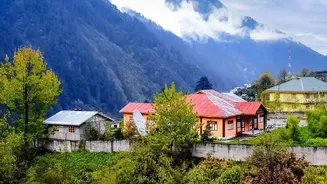
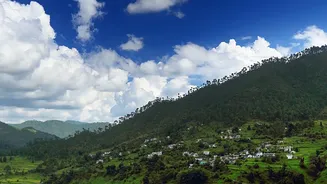
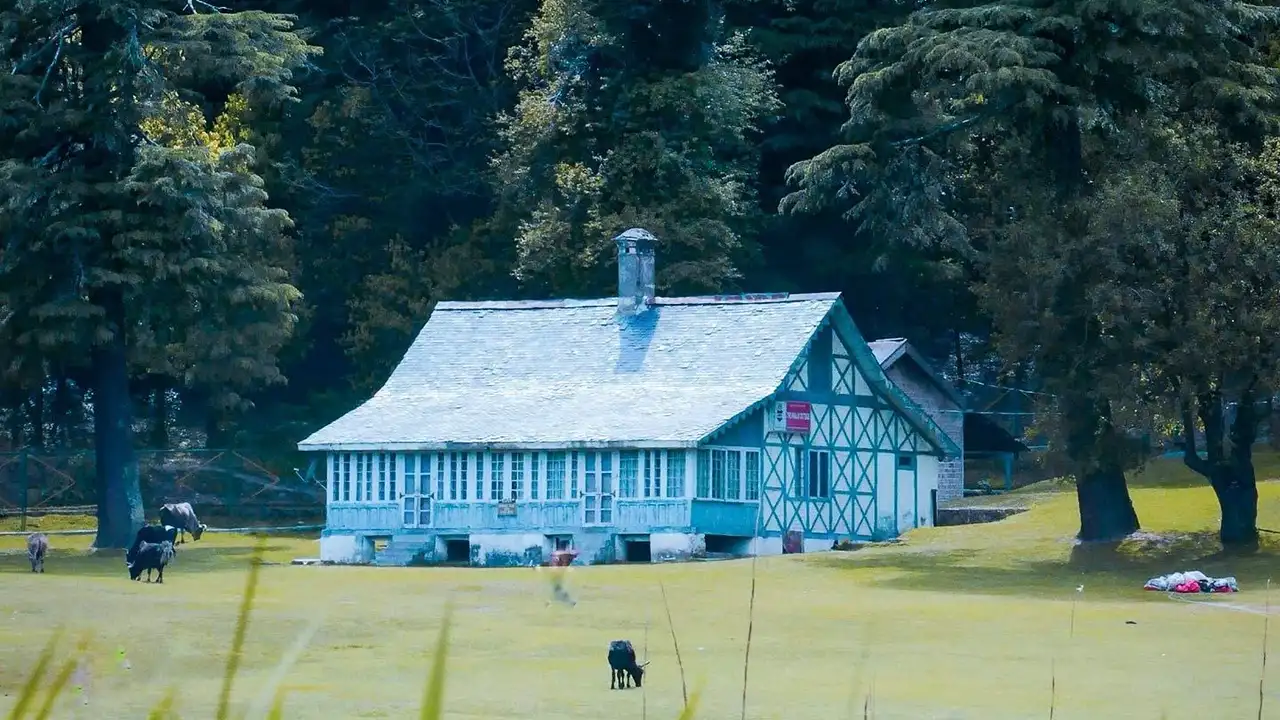
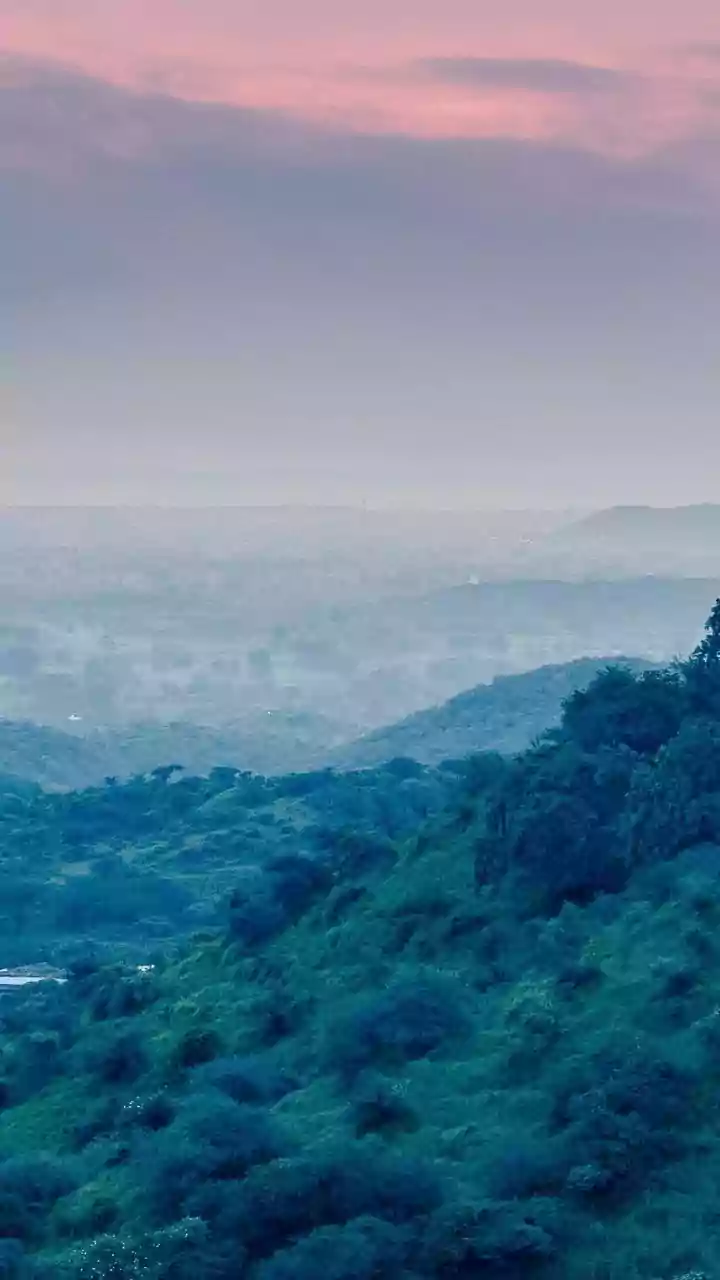
Perched at an altitude of over 2,600 metres, Shoja is a tiny, serene village that offers a tranquil escape from the chaos of city life. Unlike commercialised tourist spots, Shoja's charm lies in its simplicity: wooden houses, dense deodar forests, and panoramic Himalayan views. The village serves as a base for several stunning excursions. A short drive takes you to the Jalori Pass, a high-altitude pass connecting the Kullu and Shimla regions. From here, you can embark on gentle treks to Serolsar Lake, a pristine body of water surrounded by thick woods, or to the ruins of Raghupur Fort, which offers 360-degree views of the surrounding peaks.
Tirthan Valley: By the Riverside
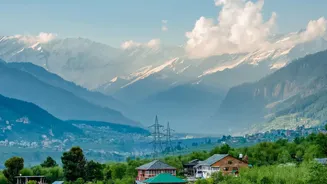
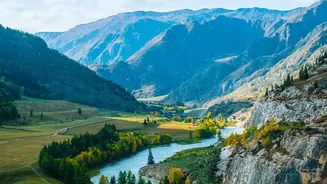
Flowing down from the icy heights of the Great Himalayan National Park, the Tirthan River gives its name to the valley it nourishes. Tirthan Valley is celebrated for its crystal-clear river, excellent trout fishing opportunities, and its status as the gateway to a UNESCO World Heritage Site. The valley is less a single town and more a collection of hamlets like Gushaini and Nagini, each offering riverside homestays and guesthouses. It’s a destination built for unhurried days spent walking through forests, discovering hidden waterfalls like the Chhoie Waterfall, or simply reading a book by the gurgling river. Its eco-tourism model, focused on homestays and sustainable practices, preserves its authentic Himalayan character.
Why These Destinations Are Trending
The growing popularity of Shoja and Tirthan Valley reflects a larger shift in travel preferences. More travellers are actively seeking destinations that offer peace over parties and nature over nightlife. These valleys provide an antidote to the over-commercialisation seen in many other hill stations. The trend is towards slow travel—staying in local homestays, eating regional food, and engaging in low-impact activities like hiking and bird-watching. Shoja and Tirthan have become popular on social media for their aesthetic, rustic charm, showcasing a quieter, more mindful way of experiencing the mountains, which strongly appeals to modern travellers.
Planning Your Autumn Journey
Reaching Shoja and Tirthan Valley is part of the adventure. The most common route is by road from Delhi or Chandigarh. Travellers typically take an overnight bus to Aut, a small town on the Kullu-Manali highway, and then hire a taxi for the final leg of the journey into the valley. The drive from Aut takes you off the main highway and onto scenic, winding roads. For accommodation, both valleys are known for their warm and welcoming homestays and guesthouses that offer a taste of local life. Given their growing popularity, it's advisable to book your stay in advance, especially if travelling during the peak autumn weeks of October.