
What Is 'Greatest Brilliance'?
Throughout September, Venus will command the evening sky, appearing as a dazzling 'evening star'. The planet will reach what astronomers call its 'greatest illuminated extent', or greatest brilliance, around September 18-22. During this period, it will shine
at a magnitude of -4.8, making it the third brightest object in the sky, surpassed only by the Sun and the Moon. This peak brightness is a fascinating interplay between how much of Venus's sunlit surface we can see and how close it is to Earth in its orbit. Even though it will appear as a crescent through a telescope, its proximity to us makes it exceptionally bright.
Why Is Venus So Bright This Month?
Venus’s brightness in our sky is determined by two main factors: its phase (how much of its sunlit side is facing us) and its distance from Earth. The planet is currently in a part of its orbit that brings it relatively close to us, while still presenting a significant sunlit portion. Think of it like the Moon; Venus has phases too. It is brightest not when it is 'full' (on the far side of the Sun and distant), but when it is a nearby, brilliant crescent. This September offers the perfect combination of these factors, resulting in the spectacular sight we can now enjoy. After this, Venus will not appear this bright in our evening sky again until 2028.
Best Dates and Times to Look
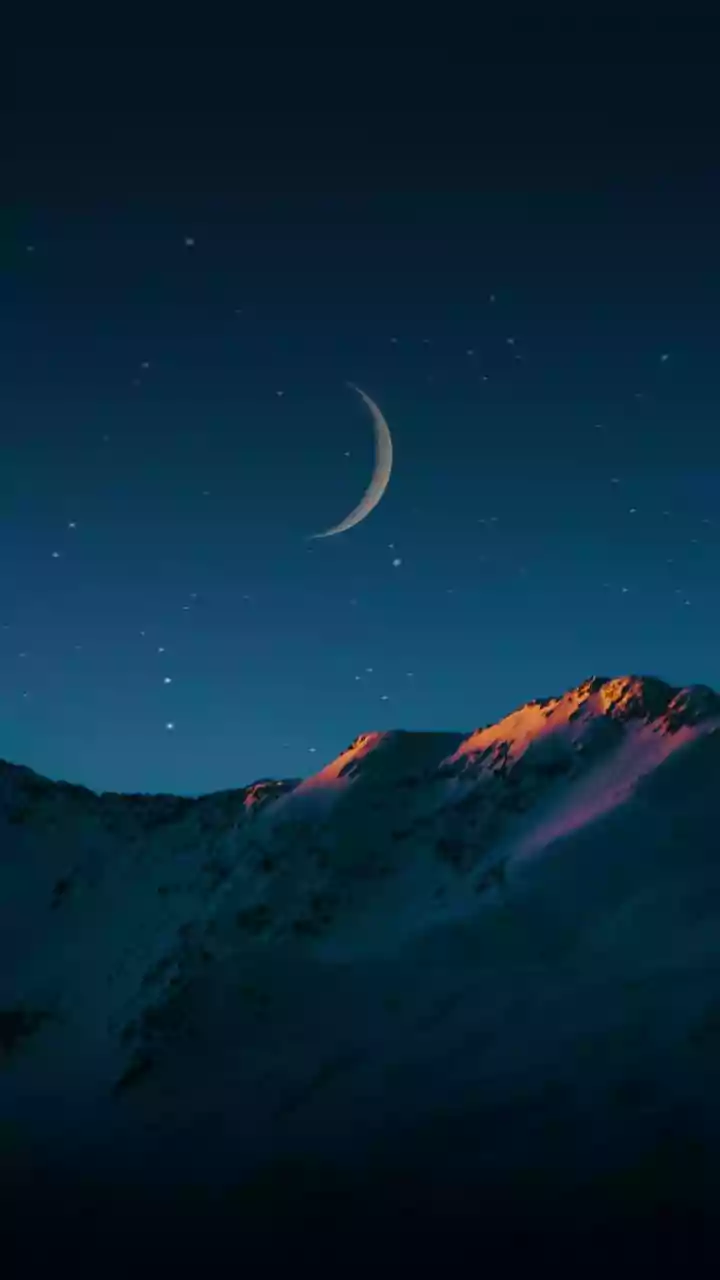
The key period to watch Venus is throughout September 2026. While the planet will be a stunning sight all month long, its absolute peak brilliance occurs around September 18. For viewers in India, the best time to observe Venus is in the hours just after sunset. As twilight deepens, the planet will become increasingly prominent. On September 1, for example, Venus sets around 9:07 PM local time in India. Another special date to mark is September 14, when a slender waxing crescent Moon will appear close to Venus, creating a beautiful pairing in the sky. This date will also feature a lunar occultation, where the Moon passes in front of Venus, an event visible from parts of Asia.
Where to Point Your Gaze
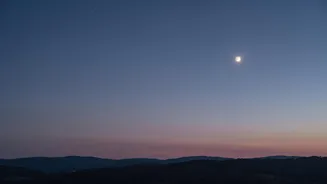
To find Venus, you will not need any special equipment — just your eyes. Shortly after the sun has set, look towards the western and west-southwestern sky. You cannot miss it; its intense, steady light will be unmistakable. Early in September, Venus will be higher in the sky. For instance, on September 1, it will appear near the bright star Spica. As the month progresses, Venus will appear lower towards the horizon each evening, so it is best to catch it early in the month if you want to see it higher in the sky. Remember to find a location with a clear, unobstructed view of the western horizon for the best possible experience.
Tips for an Enhanced Viewing Experience
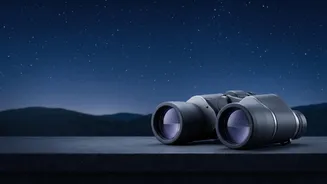
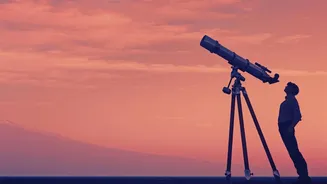
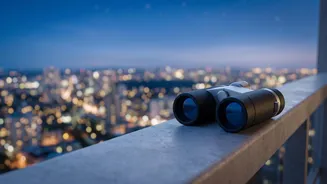
While Venus is stunning to the naked eye, using a simple pair of binoculars can dramatically enhance your view. Binoculars will make the planet’s brilliance even more striking and may even reveal its crescent phase, which is a truly special sight. For the best viewing, try to get away from bright city lights that cause light pollution. Find a park, a rooftop, or an open area with a clear view of the horizon. Give your eyes about 15-20 minutes to fully adapt to the darkness; this will help you see not just Venus in all its glory, but also other celestial objects nearby. You don't need a telescope, but if you have one, you will be able to clearly resolve Venus's crescent shape, similar to a miniature moon.