



What Exactly is Fibre?
Dietary fibre is a type of carbohydrate found in plant-based foods like fruits, vegetables, whole grains, and legumes. Unlike other carbs, your body can't digest it. Instead, it passes through your digestive system largely intact, performing crucial jobs
along the way. There are two main types: soluble and insoluble fibre. Soluble fibre dissolves in water to form a gel-like substance. Think of the texture of oats or mashed beans. This type helps slow down digestion, which can prevent blood sugar spikes and lower cholesterol. Insoluble fibre does not dissolve in water. It adds bulk to your stool, helping food pass more quickly through the stomach and intestines, which is key for preventing constipation. Most plant foods contain a mix of both, so a varied diet is the best way to get enough of each.
The Powerful Health Benefits
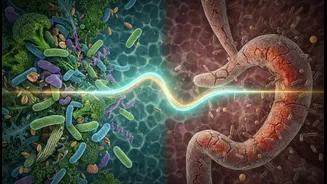
The renewed focus on fibre comes from overwhelming evidence of its wide-ranging benefits. Its most famous role is promoting digestive health and preventing constipation, but its impact goes much further. A high-fibre diet can aid in weight management because fibre-rich foods are more filling, helping you feel satisfied with fewer calories. It plays a significant role in heart health by helping to lower 'bad' LDL cholesterol levels. For those concerned about blood sugar, soluble fibre is a powerful ally, as it slows sugar absorption and helps improve glycemic control, which is crucial in preventing and managing diabetes. Furthermore, by feeding the good bacteria in your gut, fibre supports a healthy gut microbiome, which is linked to better immunity and reduced inflammation.
How Much Fibre Do You Need?
According to the Indian Council of Medical Research (ICMR), an adult should aim for about 25 to 40 grams of fibre daily, depending on their calorie intake. The general recommendation often settles around 30 grams per day. Unfortunately, studies suggest that many urban Indians consume only about 15 grams per day, falling significantly short of this target. This 'fibre gap' is linked to the increased consumption of refined grains and processed foods. Gradually increasing your intake is important, as is drinking plenty of water, which helps the fibre do its job effectively and prevents discomfort like bloating.
Fibre-Up Your Indian Diet
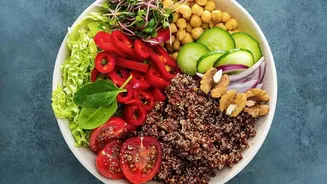
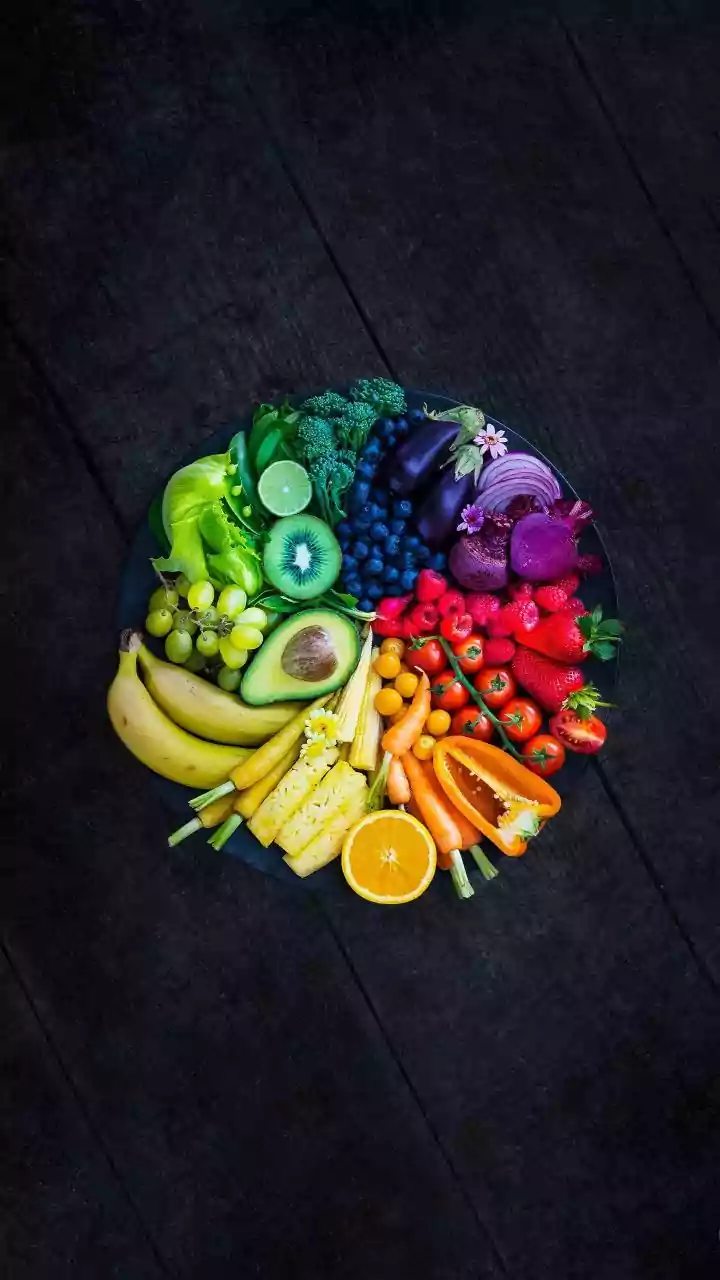
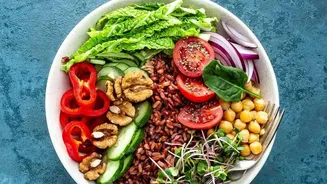
The good news is that traditional Indian cuisine is naturally rich in fibre; we just need to make conscious choices. The easiest way to boost your intake is by swapping refined grains for whole ones. Opt for whole-wheat atta for your rotis instead of maida, and replace some of your white rice with brown rice, jowar, bajra, or ragi. Dals and legumes are fibre powerhouses. Making dal, rajma, or chana a daily feature in your lunch or dinner can significantly increase your fibre consumption. Fill half your plate with vegetables. Sabzis made from bhindi, beans, leafy greens like spinach, and gourds are excellent sources. Don't forget fruits; eating seasonal fruits like guava, apples, and papayas with their skin (when possible) provides a healthy dose of fibre.
Simple Swaps for Lasting Success
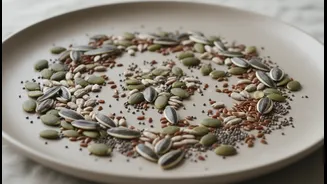
Making sustainable changes is about simple swaps, not a complete diet overhaul. Start by having a fruit instead of fruit juice. Snack on a handful of roasted chana, makhana, or nuts instead of packaged chips. Add seeds like flaxseeds or chia seeds to your curd, smoothies, or salads for an easy fibre boost. When making dishes like poha or upma, load them with vegetables. Consider starting your day with oats or a millet-based porridge. These small, consistent changes add up, helping you close the fibre gap and unlock the extensive health benefits without feeling like you're on a restrictive diet.