
Why Embrace the Monsoon in the Hills?
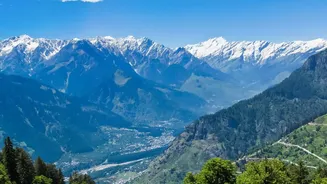
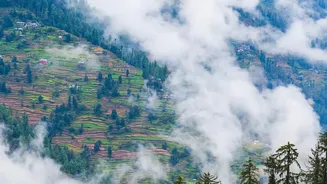
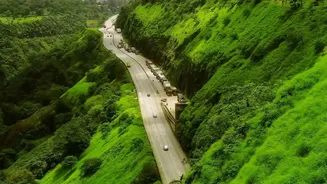
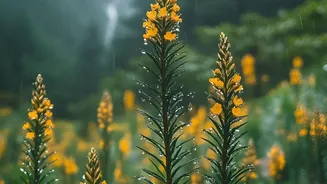
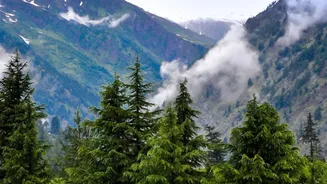
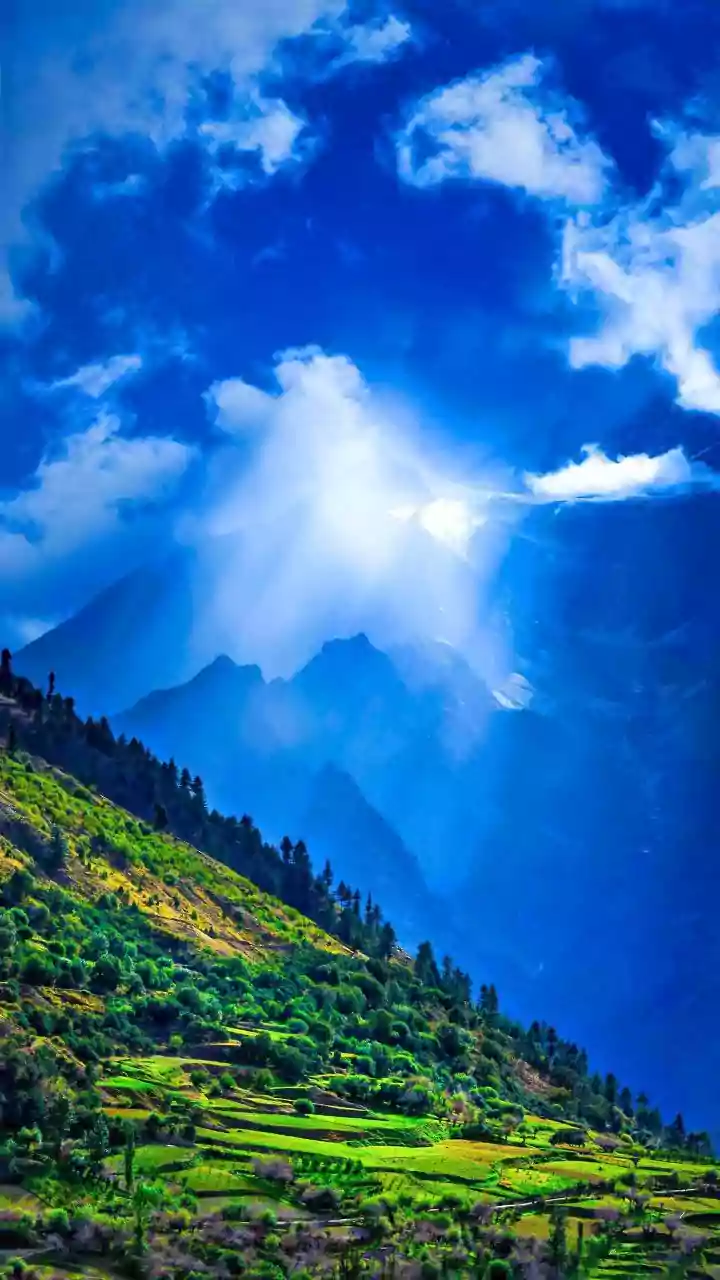
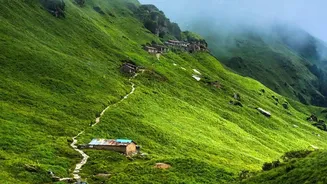
Visiting Himachal during the monsoon (typically July to September) might seem counterintuitive to some, but it’s a secret season for those in the know. The rains transform the valleys into a vibrant green paradise, waterfalls thunder down hillsides, and
the air is crisp and clean. It's a time of rejuvenation for nature and a period of quiet for visitors, as the summer crowds have thinned out. This translates to a more peaceful experience and often, better deals on accommodation. While the season demands caution due to the risk of landslides and slippery roads, travelling smart makes it a uniquely rewarding experience for those seeking solitude and dramatic, misty landscapes. It’s a season best suited for slow travel, where you settle into one place rather than rushing through a packed itinerary.
Tirthan Valley: A Riverside Paradise
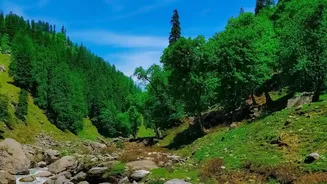
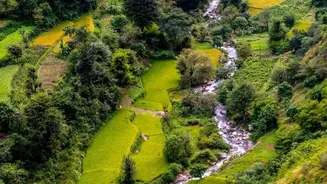
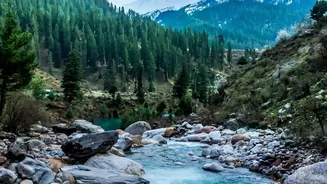
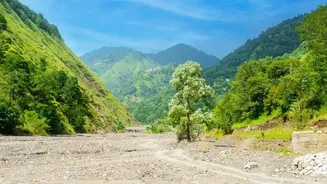
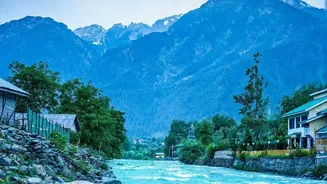
Nestled beside the gurgling Tirthan River, this valley is the gateway to the Great Himalayan National Park (GHNP), a UNESCO World Heritage Site. During monsoon, the river is full and powerful, and the surrounding forests are at their most lush. While multi-day treks into the core zone of the GHNP are not recommended, there are plenty of gentle hikes to enjoy. You can take a short, rewarding walk to the magnificent Chhoie Waterfall or simply spend your days by the river, trying your hand at trout fishing (permits required) or reading a book at a riverside cafe. The valley is dotted with charming villages like Gushaini and Nagini, where you can experience the unhurried pace of local life and admire traditional Himachali architecture.
Shoja: A Hamlet Above the Clouds
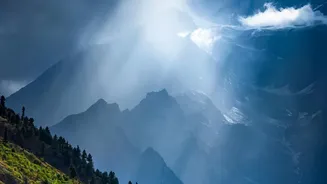
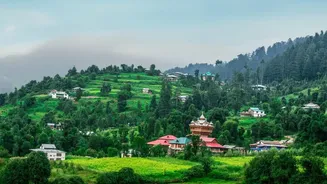
A short, scenic drive up from the Tirthan Valley region lies Shoja, a tiny hamlet that feels suspended in the clouds. At a higher altitude, Shoja is quieter and more atmospheric, known for its dense deodar forests and panoramic views of the Himalayas that emerge when the monsoon clouds part. Its main draw is its proximity to the Jalori Pass, located at an altitude of over 10,000 feet. While the pass itself is a stunning destination, it also serves as the starting point for the popular and relatively easy trek to Serolsar Lake. The 5-6 km trail winds through a thick oak forest, and though it can be slippery during the rains, the sight of the sacred, tranquil lake at the end is worth the effort for the prepared traveller.
Finding Your Quiet Green Stay
The charm of Tirthan and Shoja lies in their accommodations, which are a far cry from large, impersonal hotels. The region is renowned for its network of family-run homestays, wooden cottages, and eco-friendly lodges that offer an authentic experience. Staying in a homestay allows you to enjoy delicious, home-cooked meals made from local ingredients and gain insights into the local culture. Many of these stays are situated in apple orchards or by the riverside, offering beautiful views right from your window. During the monsoon, it’s especially important to book in advance and confirm that your chosen stay is safely located and accessible, away from areas prone to flooding or landslides.
Essential Monsoon Travel Tips
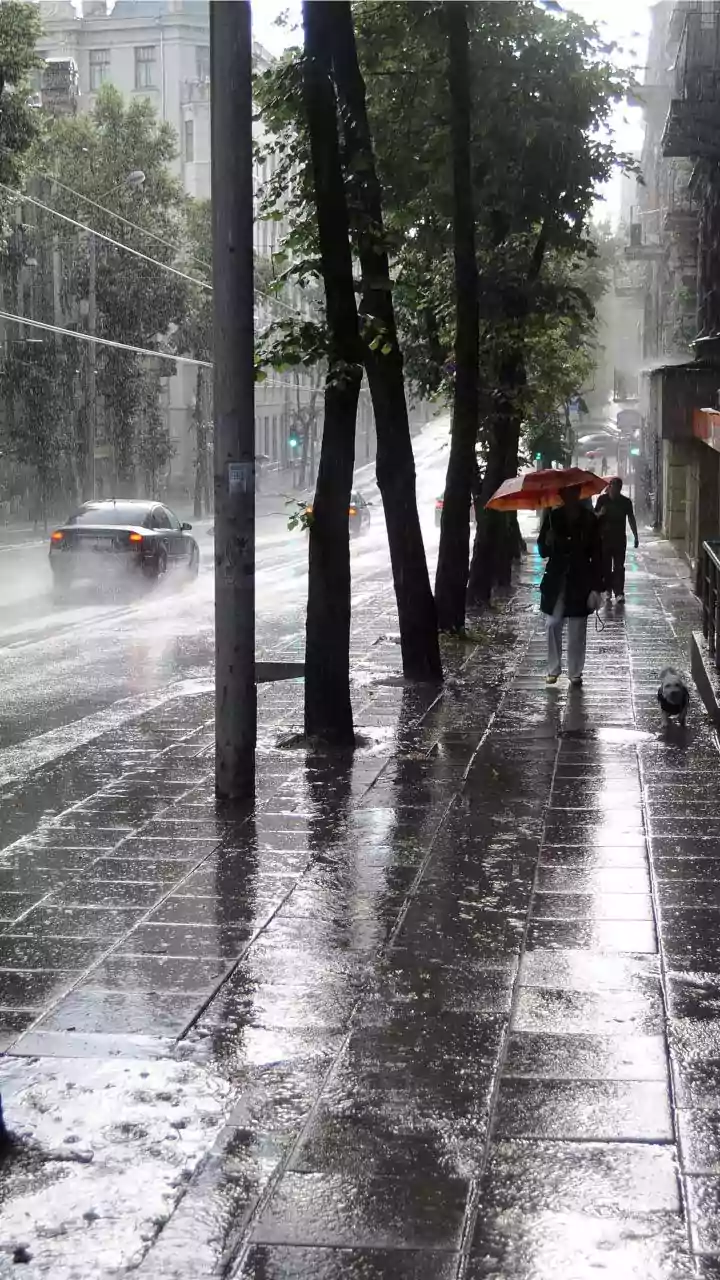
A monsoon trip to the hills requires preparation. Always check the latest weather forecasts and road conditions before and during your journey; local authorities and police often post real-time updates. Pack waterproof everything: a good rain jacket, sturdy non-slip shoes, and protective covers for your electronics are non-negotiable. Stick to main roads and avoid driving at night, as visibility is low and the risk of fresh slides is higher. Keep your itinerary flexible; road blockages can cause delays, so it's wise to have backup plans. Carry sufficient cash, as ATM access can be limited in these remote areas. Most importantly, travel slowly and respect the power of nature. Don't take unnecessary risks for a photo, like getting too close to swollen rivers or waterfalls.