






What Exactly Is Forest Bathing?
Don’t let the name fool you; there’s no soap and water involved. 'Forest bathing' is the English translation of the Japanese term 'Shinrin-yoku,' which literally means 'taking in the forest atmosphere.' Developed in Japan in the 1980s, it’s not about
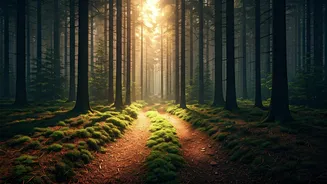
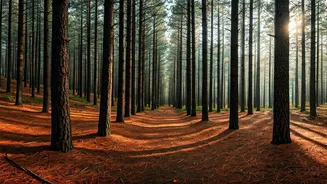
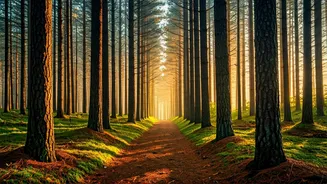
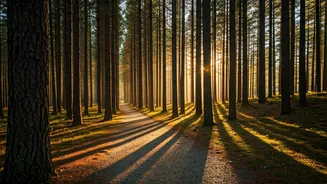
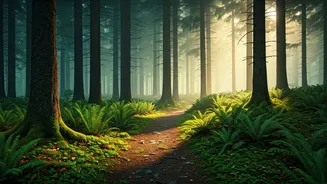
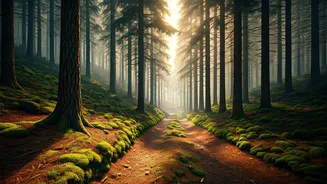
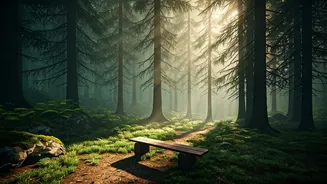
hiking, jogging, or reaching a destination. Instead, it is the simple, meditative practice of immersing yourself in nature and consciously connecting with your surroundings through all five senses. The goal is to slow down, breathe deeply, and allow the tranquil environment of the forest to wash over you. It's a gentle, unstructured walk where you might spend twenty minutes just observing the way sunlight filters through the leaves or listening to the sound of a rustling breeze.
Why Almora Is The Perfect Setting
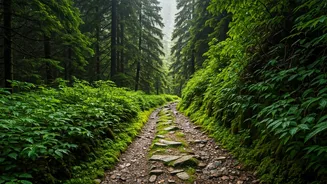
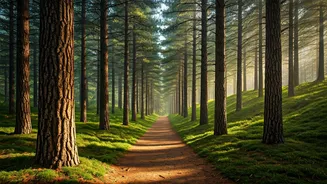
While any patch of green can be beneficial, the hills of Almora in Uttarakhand offer an unparalleled experience. Nestled in the Kumaon region of the Himalayas, Almora is surrounded by dense forests of pine, oak, and deodar. The air is crisp and clean, carrying the earthy scent of pine needles and damp soil—a natural aromatherapy session in itself. The near-constant, majestic view of snow-capped peaks like Nanda Devi provides a humbling backdrop that puts daily worries into perspective. The region’s relative quietness, free from the clamour of mainstream tourist hotspots, makes it an ideal sanctuary for a practice that requires peace and introspection. Here, the forest isn’t just scenery; it’s an active participant in your journey towards well-being.
The Science-Backed Benefits of Immersion
This isn't just a feel-good trend; it's backed by a growing body of scientific research. Studies have shown that spending mindful time in a forest can significantly reduce levels of cortisol, the body's primary stress hormone. It has been linked to lower blood pressure, reduced anxiety, and improved concentration. The benefits aren't just mental. Trees release natural aromatic compounds called phytoncides. When we inhale these, our bodies respond by increasing the number and activity of 'natural killer' cells—a type of white blood cell that boosts our immune system. So, a quiet walk in the woods is quite literally a tonic for both mind and body, making it a powerful, holistic wellness practice.
A Youth Trend Rooted in Disconnection
Why is this resonating so deeply with a younger generation? Because it’s the perfect antidote to their hyper-connected, high-pressure lives. For millennials and Gen Z, who grew up with the internet and are now navigating demanding careers, the constant digital noise can be overwhelming. Forest bathing offers a radical act of self-care: permission to disconnect completely. It’s a move away from performative wellness—like posting a gym selfie—towards something deeply personal and restorative. It doesn't require expensive gear or peak physical fitness, making it accessible to everyone. This return to nature represents a search for authenticity and a tangible way to combat the mental fatigue that defines modern urban living.
How to Practice Your First Forest Bath
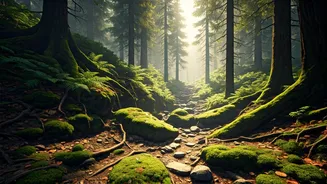
Getting started is simple. First, leave your phone and camera behind, or at least put them on silent and out of sight. The point is to be present. Find a spot in a forest or a quiet park where you feel safe and comfortable. Begin walking slowly and aimlessly, without a specific route in mind. Pause frequently. Notice the sounds, from birdsong to the crunch of leaves underfoot. Pay attention to the smells of the earth and the trees. Touch the bark of a tree or run your fingers over a mossy stone. Observe the different shades of green and the play of light and shadow. Take deep, slow breaths. Stay for as long as you feel comfortable, whether it's 20 minutes or two hours. There is no right or wrong way to do it; the only instruction is to open your senses.