



The Power of a Mindful Pause
When you feel stressed, your body enters a 'fight-or-flight' mode, releasing the stress hormone cortisol. This can make it difficult to concentrate and retain information. Studies show that yoga helps calm the nervous system and can reduce psychological
distress. By combining physical postures with controlled breathing, you can increase blood flow to the brain, release physical tension, and trigger the release of 'feel-good' chemicals like endorphins. Taking short, intentional breaks for simple stretches can interrupt the stress cycle, leaving you refreshed, more focused, and better prepared to tackle your studies.
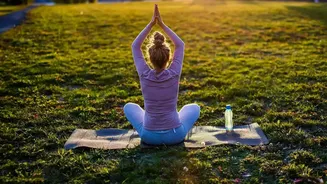
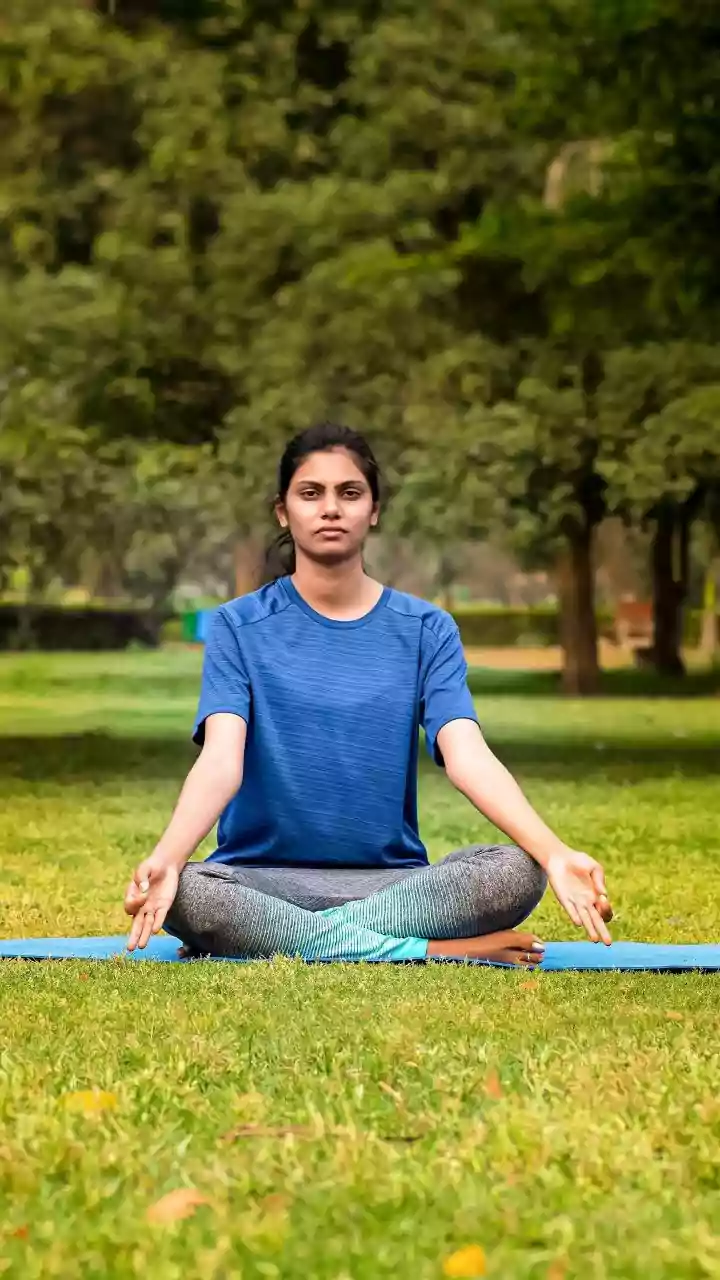
Sukhasana with Neck Rolls (Easy Pose)
This foundational pose is perfect for centering yourself before a study session. Releasing tension in the neck and shoulders, where stress often accumulates, can provide immediate relief. How to do it: Sit comfortably on the floor with your legs crossed. Place your hands on your knees and sit up tall, lengthening your spine. Gently drop your chin to your chest. On an inhale, slowly roll your right ear towards your right shoulder. Exhale as you return to the center, and then inhale as you roll your left ear towards your left shoulder. Repeat this 3-5 times on each side, moving slowly with your breath. This simple movement helps release stiffness caused by long hours of sitting and calms the mind.
Marjaryasana-Bitilasana (Cat-Cow Stretch)
Hunching over books can lead to a stiff back and a foggy mind. The Cat-Cow stretch is a dynamic movement that wakes up the spine and helps synchronize your breath with your body, creating a sense of calm and emotional balance. How to do it: Start on your hands and knees, with your wrists directly under your shoulders and knees under your hips. As you inhale (Cow Pose), let your belly drop towards the floor, arch your back, and look forward. As you exhale (Cat Pose), round your spine towards the ceiling, tucking your chin to your chest. Continue flowing between these two poses for about a minute. This sequence improves posture, increases blood circulation, and gently massages the abdominal organs.
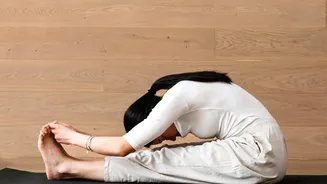
Paschimottanasana (Seated Forward Bend)
A forward bend is an excellent way to quiet a racing mind. This pose provides a deep stretch for the entire back of the body, from your heels to your neck. It is known to calm the nervous system, which helps in relieving anxiety and mental fatigue. How to do it: Sit on the floor with your legs stretched out in front of you. You can bend your knees slightly. Inhale and lengthen your spine. As you exhale, hinge forward from your hips, reaching for your feet. Don't worry about touching your toes; just go as far as is comfortable while keeping your back relatively straight. Hold for 30 seconds, breathing deeply. This posture quiets the mind and can improve your mood.
Balasana (Child's Pose)
When you feel completely overwhelmed, Child's Pose is your go-to for instant restoration. This gentle resting posture calms the brain and helps relieve stress and fatigue by creating a sense of safety and quiet. How to do it: Kneel on the floor, sit back on your heels, and then fold forward, resting your forehead on the mat. Your arms can be stretched out in front of you or resting alongside your body. Focus on taking slow, deep breaths, feeling your back expand with each inhale. Stay here for at least 30 seconds to a minute. It’s a powerful pose for releasing tension in the back, shoulders, and neck.
Shavasana (Corpse Pose)
Though it seems like just lying down, Shavasana is a crucial pose for deep relaxation and integrating the benefits of your practice. It allows your body and mind to completely rest, which helps reduce blood pressure and calm the nervous system. This state of deep rest is vital for memory consolidation, helping you better retain what you've studied. How to do it: Lie flat on your back with your legs slightly apart and your arms resting by your sides, palms facing up. Close your eyes and let go of controlling your breath. Allow your entire body to feel heavy and relaxed. Stay here for 5-10 minutes. The goal is to remain still and simply observe, giving your mind a complete break.