



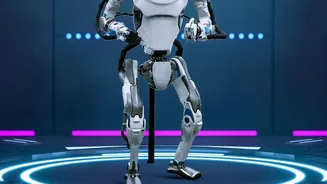
The Billion-Dollar Bet on Human-Like Robots
The numbers are staggering. In 2026 alone, companies developing humanoid robots have raised over $6.6 billion, a massive jump from the previous year. Firms like Figure AI, Apptronik, and a host of others are attracting capital from major players including
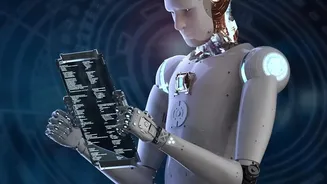
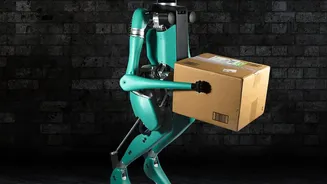
Microsoft, NVIDIA, and Amazon. The promise is a general-purpose robot that can operate in environments designed for humans—think warehouses, manufacturing floors, and eventually, retail spaces. Unlike the stationary robotic arms that have populated car factories for decades, humanoids can walk, climb stairs, and manipulate a wide range of objects. This versatility is the core of their appeal; one robot could theoretically perform many different tasks, from logistics and material handling to sorting and packing.
From the Lab to the Factory Floor
This isn't just theory anymore. Early deployments are already underway, serving as crucial test cases for the industry. One of the most high-profile examples is the partnership between Figure AI and BMW. Figure's robots have been deployed at the automaker's plant in South Carolina, initially for handling sheet metal and later for more complex logistics tasks like sequencing parts for the assembly line. According to reports, these robots contributed to the assembly of over 30,000 cars in their first year of operation. Similarly, Apptronik's Apollo robot, which has roots in NASA projects, is being positioned for work in logistics and manufacturing, with a design focused on reliability and safety around human workers.
The Hard Realities of ROI
Despite these promising pilots, widespread commercial rollout faces significant hurdles, and the central question is one of economics. Can a robot that costs tens or even hundreds of thousands of dollars deliver a return on investment quickly enough to justify the expense? The challenges are practical and immense. Battery life is a major bottleneck; most current humanoids can operate for only a few hours before needing a lengthy recharge or a battery swap, making a full eight-hour shift a serious challenge. Reliability is another issue. While demos are impressive, achieving industrial-grade uptime of 99% in a messy, unpredictable real-world environment is far more difficult. The robots' hardware, particularly their hands and grippers, still struggles with the dexterity required for many tasks.
Beyond the Hype Cycle
For business leaders, the situation echoes previous technology hype cycles. The potential is enormous, but the path to profitability is unclear. The business case often depends on a Robots_as_a_Service (RaaS) model, where companies pay a monthly fee instead of a large upfront purchase, making the technology more accessible. However, the true return on investment isn't a simple calculation. It depends on the specific task, the cost of human labor being replaced, and hidden costs like integration, maintenance, and the need for human oversight. While some analyses project a rapid payback period of under two years in high_wage manufacturing settings, these figures assume a level of reliability and autonomy that is still in development. Experts caution that while walking is largely a solved problem, the bigger challenges are now generalization—allowing robots to handle novel situations—and robust manipulation.