
The Hidden Flavour in Scraps
Many home cooks discard herb stems, assuming all the value is in the leaves. However, for herbs like coriander, the stems contain a potent concentration of the plant's essential oils. This means they are packed with a deeper, more intense version of the flavour
you love. By tossing them out, you're throwing away a powerful aromatic base. Embracing a zero-waste approach by using these stems not only maximises flavour but also reduces your kitchen waste and stretches your grocery budget. Instead of seeing them as scraps, think of them as a bonus ingredient waiting to be unlocked. This simple shift in perspective is the first step towards a more sustainable and flavourful kitchen.
A Crucial Note on Food Safety
Before we dive into the method, it's essential to talk about safety. Infusing oil with fresh ingredients like herbs requires care. The main concern is Clostridium botulinum, a bacterium that can thrive in low-oxygen environments (like oil) if moisture is present. This can cause a rare but serious illness called botulism. The rule is simple: oil and water don't mix, and for safety, they shouldn't. To prevent any risk, your herbs must be as dry as possible before they meet the oil. For fresh infusions, this means washing and then patting them completely dry with a clean cloth or paper towel. For longer-lasting oils, the herbs must be fully dehydrated. Always store homemade infused oils in the refrigerator to be safe.
Method 1: Quick Infusion for Fast Flavour
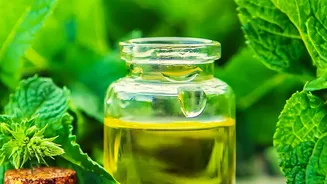
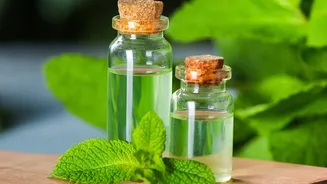
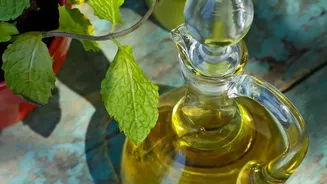
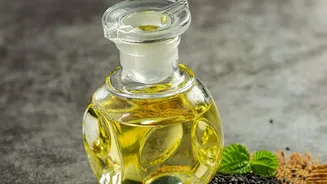
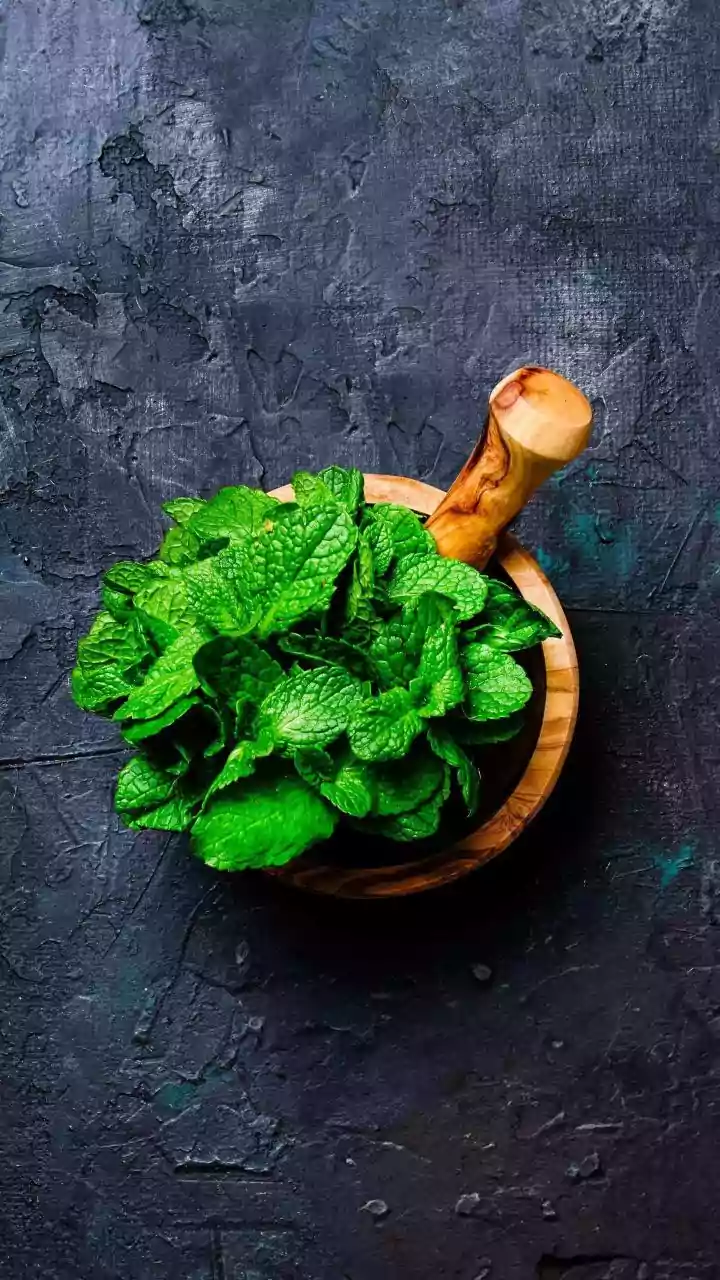
This method is perfect for a small batch you plan to use within a week. Start with a clean, small glass jar. Take a generous handful of clean, thoroughly dried coriander and mint stems. You can lightly bruise them with the back of a knife to help release their oils. Place the stems in the jar. Gently heat about one cup of a neutral oil (like sunflower or a light olive oil) in a small pan until it's warm to the touch, but not hot or smoking. Pour the warm oil over the stems, ensuring they are fully submerged. Let the mixture cool completely on the counter, then seal the jar and place it in the refrigerator. The flavours will infuse over the next 24 hours. For best results and to stay safe, use this oil within four to seven days.
Method 2: Long-Lasting Oil with Dried Stems
If you want to create a shelf-stable oil that lasts for months, you must remove all moisture by dehydrating the stems first. Spread your clean stems in a single layer on a baking sheet. You can either leave them in a warm, dry, and airy spot for a few days until they are brittle, or speed up the process in an oven. Set your oven to its lowest possible temperature, prop the door slightly ajar, and let the stems dry out for a couple of hours until they snap easily. Once completely dry and cooled, place them in a sterile jar. Cover them with your chosen oil. You can use the gentle warm oil method described above or simply let them cold-infuse in a sealed jar in a cool, dark place for one to two weeks. The resulting oil can be strained and stored for several months.
How to Use Your Homemade Herb Oil
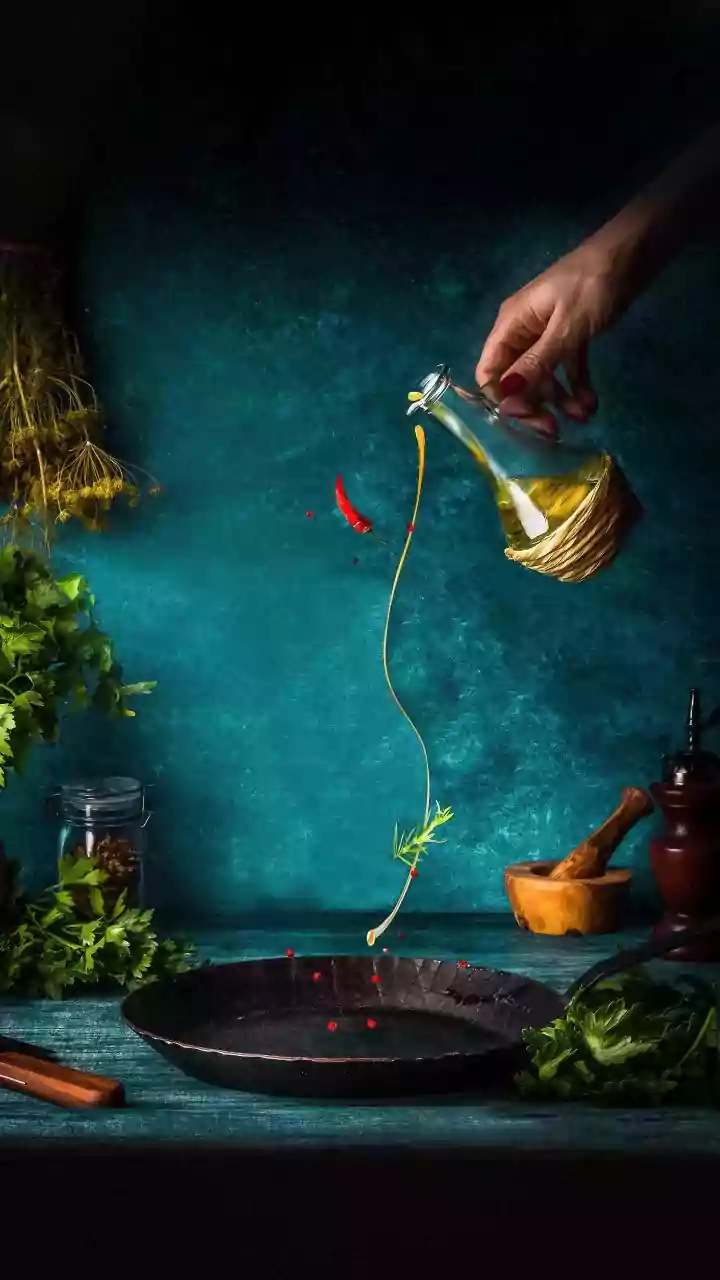
Now for the fun part. This infused oil is a versatile flavour bomb. Drizzle it over a finished dal or soup for a burst of fresh, herbaceous aroma. Use it as a base for a vibrant salad dressing by whisking it with lemon juice and a pinch of salt. It’s fantastic for tossing with roasted vegetables like potatoes or carrots before they go into the oven. You can also use it as a finishing oil for pasta, grilled paneer, or chicken, adding a layer of complexity right before serving. It can even be used to make a quick marinade for appetisers. Essentially, anywhere you’d use regular oil and want an extra hit of flavour, this is your new go-to ingredient.