






Plan Your Meals Before You Shop
The most effective way to control your grocery spending is to create a weekly meal plan. Before you step into a store or open a shopping app, decide what you’ll eat for breakfast, lunch, and dinner for the next seven days. This simple 20-minute exercise
prevents impulse buys, which are a major source of budget leaks. Once you have your meal plan, make a detailed shopping list and commit to buying only what’s on it. This strategy not only saves money but also significantly reduces food waste, as you purchase only what you are certain to use.
Embrace Local and Seasonal Produce
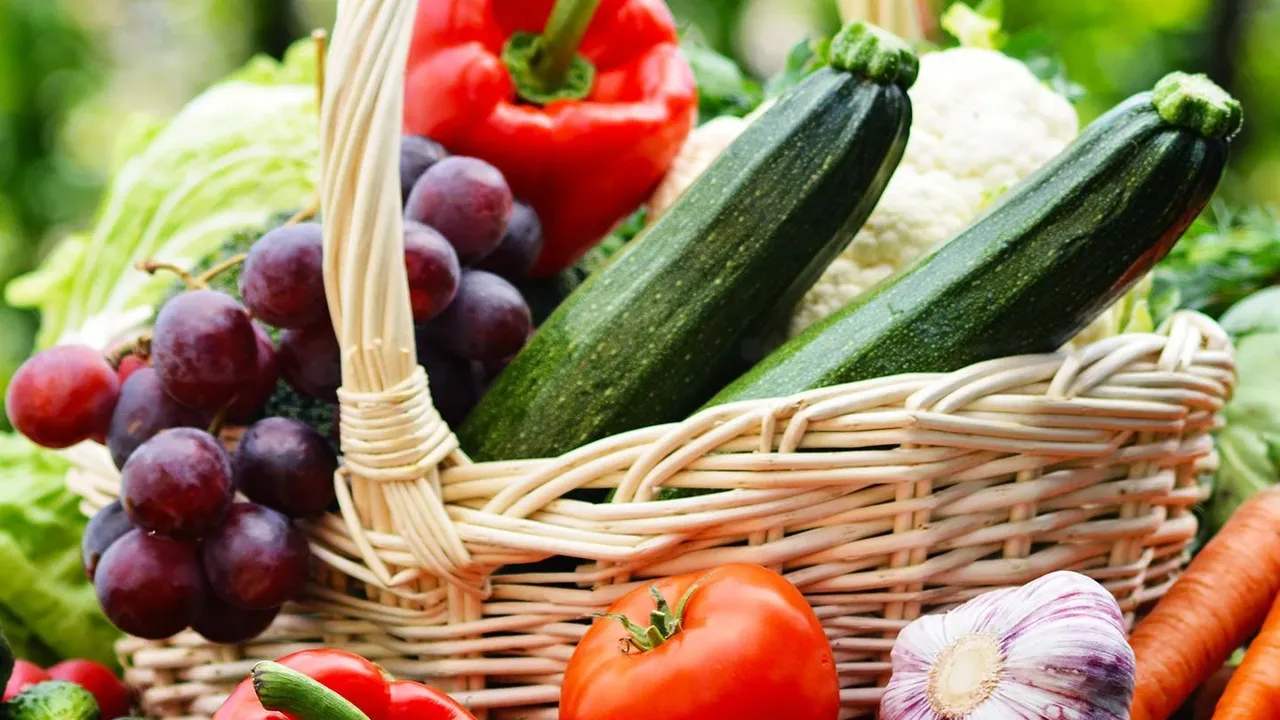
Supermarkets offer convenience, but it often comes at a higher cost. Your local sabzi mandi or weekly haat market is your best ally in the fight against food inflation. Produce there is often fresher and significantly cheaper because it bypasses long supply chains and branding markups. Focus on buying seasonal fruits and vegetables. When produce is in season, it is abundant and therefore less expensive. For example, seasonal tomatoes might cost a fraction of their off-season price. Shopping local and seasonal ensures better nutrition and lower costs.
Buy Staples in Bulk—But Be Smart
Items your family consumes regularly, like rice, atta, dals, and cooking oils, are almost always cheaper when bought in bulk. A 5 kg bag of dal, for instance, will have a lower per-kilogram cost than five 1 kg packets. This strategy reduces the number of shopping trips and provides a cushion against sudden price hikes. However, avoid bulk-buying perishable goods or items you use infrequently, as this can lead to waste. Focus on non-perishable staples that form the foundation of your family's meals.
Conduct a Weekly Kitchen Inventory
Before creating your shopping list, take a quick tour of your pantry, fridge, and freezer. Many households have forgotten items like half-used packs of spices, lentils, or grains hiding in the back of a cupboard. By identifying what you already have, you can avoid buying duplicates and challenge yourself to create meals around existing ingredients. This “shop your pantry” approach is a simple but powerful habit that reduces waste and frees up money for other essentials. It also helps keep your kitchen organised and clutter-free.
Maximise Value, from Cooking to Storage
How you cook and store food is just as important as how you shop. Batch cooking—preparing larger quantities of meals like dal or curries to freeze for later—saves both time and energy costs. Be mindful of food waste by using vegetable peels and scraps to make stocks or broths. Store fruits and vegetables correctly to prolong their freshness. For example, separate ethylene-producing fruits like bananas and apples from other produce. Simple changes, like using airtight containers for dals and spices, also preserve quality and prevent spoilage, ensuring you get the most out of every rupee spent.
Compare and Choose Brands Wisely
Brand loyalty can be expensive. For many staple products like salt, sugar, and even some processed foods, store brands or lesser-known local brands offer comparable quality at a lower price point. Take a moment to compare the ingredient lists and nutritional information. Often, the only significant difference is the packaging and marketing budget. Similarly, compare prices between your local kirana store and online grocery apps. While online platforms offer convenience and discounts, your neighbourhood shop might have better prices on loose items and fresh produce.