






What Exactly Is FSSAI Changing?
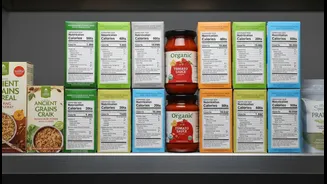
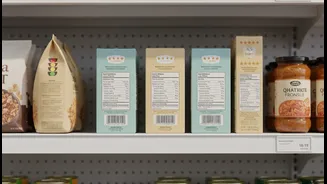
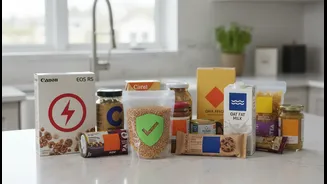
The Food Safety and Standards Authority of India (FSSAI) is in the midst of a significant overhaul of food labelling. The biggest change on the horizon is the introduction of Front-of-Pack Labelling (FoPL). Instead of burying nutritional details in fine
print on the back, this system will place a simple, visual guide right on the front. The goal is to give consumers a quick snapshot of a product's healthiness. While the final format is still under discussion, the leading proposal is an "Indian Nutrition Rating" (INR) system. This would assign a star rating, from half a star (least healthy) to five stars (healthiest), based on the product's levels of salt, sugar, and saturated fat, as well as positive nutrients like protein and fibre. The regulations are being introduced in phases, with many new rules on nutritional declarations set to take effect. An amendment notified in March 2026, which refines rules for various product categories, is scheduled to come into force on July 1, 2027.
The 'Why' Behind the Crackdown
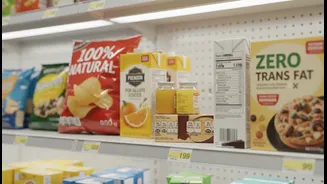
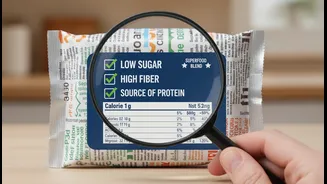
This regulatory push isn't happening in a vacuum. It's a direct response to a growing public health crisis in India. Lifestyle diseases like obesity, diabetes, and heart conditions are on the rise, and diets heavy in processed foods are a major contributor. These foods are often High in Fat, Sugar, and Salt (HFSS), but their packaging frequently uses misleading claims to appear healthier than they are. In recent weeks, FSSAI has issued notices to numerous companies for using terms like "100% Natural," "Fresh," and "Healthy" without meeting strict legal conditions. For instance, a product claiming to be "100% Natural" was found to contain artificial flavours, and a paneer brand's "Fresh" claim was flagged as potentially misleading. This crackdown, along with the new labelling proposals, aims to empower consumers to see past the marketing and make genuinely informed choices for their health.
How This Will Change Your Shopping Experience
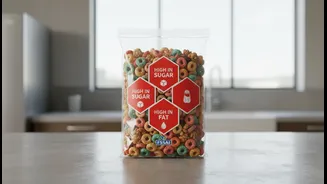
Imagine picking up two different brands of instant noodles. One might display a 2.5-star rating, while another shows just one star. Or a packet of biscuits might have a clear warning on the front stating it's "High in Sugar". This is the future of grocery shopping in India. The FoPL system is designed to make comparing products instantaneous. You won't have to be a nutritionist to decode the complex panel on the back. Health advocates argue that clear, mandatory warning labels—like the black octagonal signs used in Chile, which led to a 24% drop in sugary drink purchases—are the most effective approach. The food industry, however, has expressed concerns, favouring a less severe star-rating system. Regardless of the final design, the core change remains: for the first time, unhealthy ingredients will be flagged prominently, forcing brands to be more transparent and potentially reformulate their products to get a better rating.
What Do These Labels Really Mean?
The proposed Indian Nutrition Rating (INR) calculates a score based on both negative and positive nutrients. Risk-increasing factors include energy, total sugars, saturated fat, and sodium. Positive factors include the content of fruits, vegetables, nuts, legumes, millets, fibre, and protein. A final score determines the star rating. However, this system has faced criticism. Some public health experts point out that it could be confusing, with a caffeinated energy drink potentially receiving the same three-star rating as flavoured milk, or paneer getting a similar score to salty instant noodles. This highlights the ongoing debate: should a label provide a single, summarised rating, or should it issue direct warnings about specific unhealthy ingredients? While that debate continues, the FSSAI's direction is clear—vague health promises are out, and verifiable data is in. Consumers will have to shift their focus from front-of-pack buzzwords to these new, more regulated indicators.
What's Next and How to Prepare?
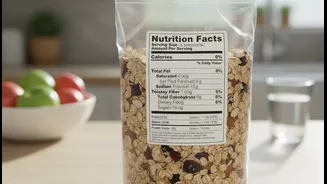
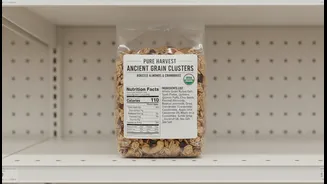
The full implementation of Front-of-Pack Labelling is a multi-year process. The framework, spurred by a Supreme Court directive, is still being finalised as of mid-2026. The latest amendments to labelling regulations are set to become effective in July 2027, giving businesses time to adapt. For shoppers, the change can start now. Don't wait for the new labels to become a more conscious consumer. Get into the habit of flipping the package over and reading the nutritional information that's already there. Pay attention to the amounts of 'total sugar' versus 'added sugar,' sodium, and saturated fat. Question claims like "healthy" or "natural" and check if the ingredient list supports them. By the time the new star ratings or warning labels appear on shelves, you'll already be an expert at seeing beyond the marketing and choosing what's genuinely best for you and your family.