

More Than Just Old, It’s a Story
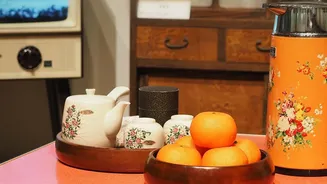
Opting for second-hand furniture is more than a cost-saving measure; it's a choice for character and sustainability. Unlike new, flat-packed items that furnish thousands of homes in identical fashion, a vintage piece brings with it a unique history and soul.
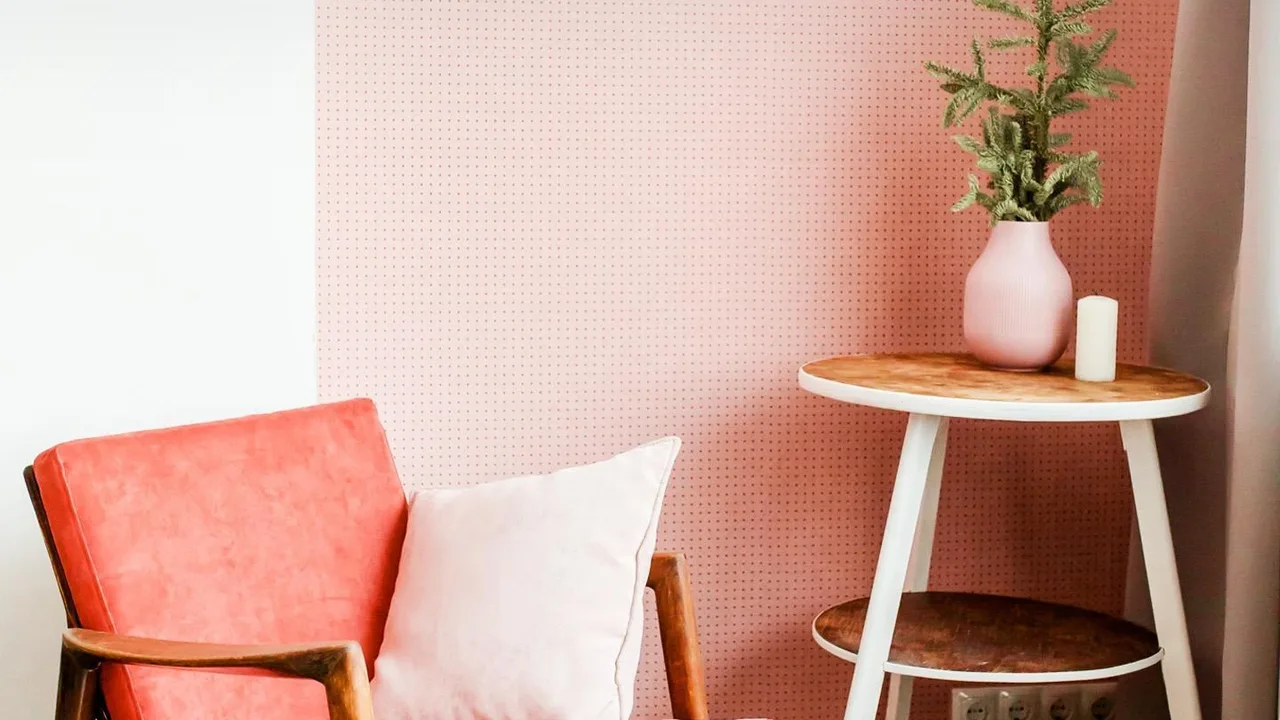
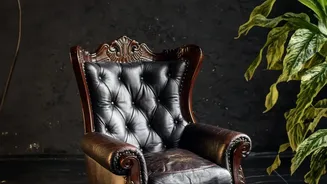
Whether it's a solid sheesham wood bookshelf or a retro armchair, each item has a past that adds a layer of depth to your home. This approach is also an environmentally conscious one. By giving furniture a second life, you are reducing landfill waste and lessening the demand for new resources, which carries a significant carbon footprint from manufacturing and transport. Many older pieces, especially those made from solid wood like teak or rosewood, were built to last, often boasting superior craftsmanship compared to modern, lower-quality alternatives.
Your Guide to the Treasure Hunt
Finding great second-hand pieces in India is an adventure. Your search can take you to a variety of places, both online and offline. Digital marketplaces like OLX are popular for connecting local buyers and sellers, offering everything from sofa sets to dining tables. Beyond the digital realm, don't underestimate your local neighbourhood. City-specific furniture markets, flea markets, and even local community groups on social media can be goldmines for unique finds. For those seeking more curated options, specialised vintage and antique stores offer pieces that have already been vetted for quality. It's also worth checking with furniture refinishers, who often acquire old pieces to restore and sell.
The Smart Shopper’s Checklist
Before you commit to a purchase, a thorough inspection is crucial. First, check the fundamentals. For wooden furniture, press down on joints to ensure they are firm and don't wobble. Always inspect for signs of termites or other pests, especially in older wood. Open drawers and doors to see if they operate smoothly. Don't be afraid to smell the furniture; a strong musty odour could indicate mould or moisture damage. For upholstered items like sofas or chairs, press firmly on the cushions and frame to detect any hidden structural damage. It's generally advised to avoid second-hand pieces made from MDF or particleboard, as they cannot be easily repaired if damaged or swollen. Whenever possible, ask about the item's origin or manufacturer to get a better sense of its quality.
Styling: Blending Old with New
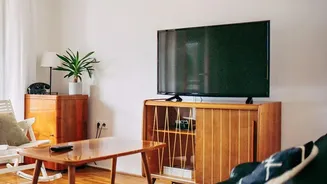
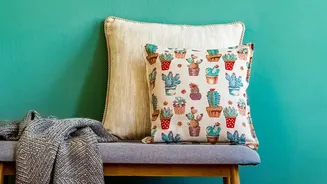
Incorporating vintage finds into a modern apartment without creating a cluttered look is an art of balance. A good rule of thumb is to let one style dominate. For instance, in a mostly modern room, a single antique cabinet or ornate mirror can serve as a stunning focal point. Contrast is your friend. Pair a rustic wooden coffee table with a sleek, contemporary sofa, or place modern, minimalist chairs around a traditional dining table. You can unify different pieces through a cohesive colour palette. Painting a vintage dresser a bold, modern colour or using contemporary textiles like cushions and rugs can bridge the gap between different eras, creating a space that feels intentionally curated and deeply personal.
The Magic of a Simple Makeover
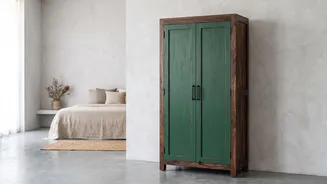
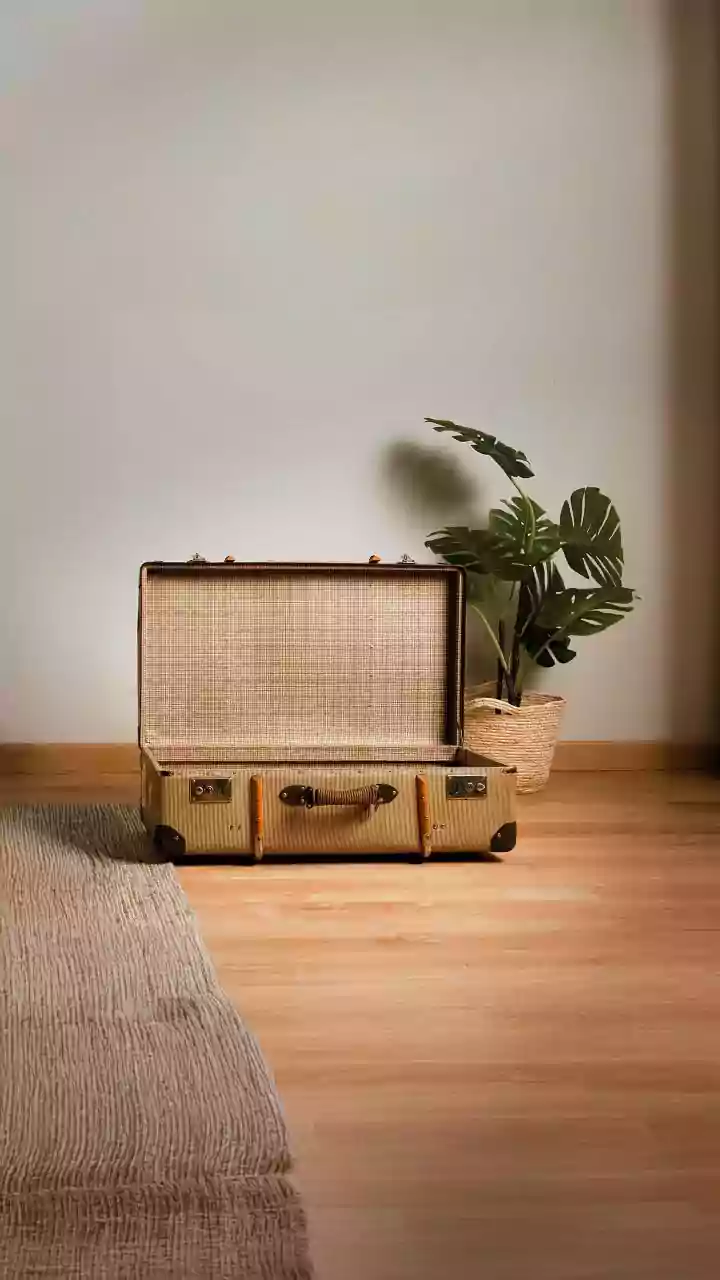
One of the greatest advantages of second-hand furniture is the freedom to make it your own. A simple DIY makeover can transform a dated item into a bespoke centrepiece. A fresh coat of paint is the easiest way to revitalise a piece and make it fit your colour scheme. Consider using stencils to add geometric or traditional patterns for a unique touch. Swapping out old hardware like knobs and handles for modern designs is another quick and impactful update. For chairs with worn fabric, reupholstering them can give them a completely new identity. Even simple acts like turning an old wooden ladder into a bookshelf or a vintage trunk into a coffee table can add immense personality and function to your space.