






The Relentless Threat of a Disappearing Coast
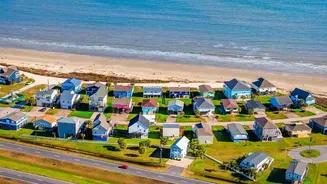
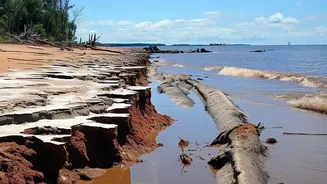
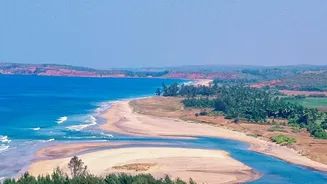
From West Bengal to Tamil Nadu, India's eastern coast is on the front line of a battle against the elements. A combination of rising sea levels, intense cyclones, and altered weather patterns is accelerating coastal erosion at an alarming rate. For the fishing
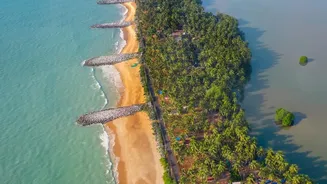
villages and agricultural communities that dot this shoreline, this isn't an abstract environmental issue—it's a direct threat to their homes, lands, and livelihoods. Each year, precious land is lost to the sea, and storm surges accompanying cyclones push saltwater further inland, contaminating freshwater sources and ruining farmland. While engineered solutions like concrete seawalls have been tried, they are expensive and can sometimes worsen erosion elsewhere.
Nature's Own Coastal Engineers
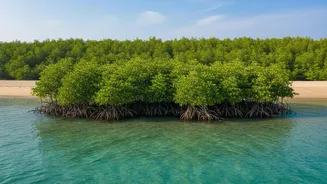
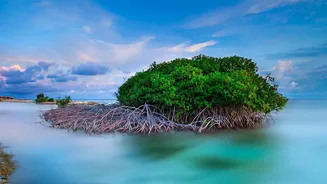
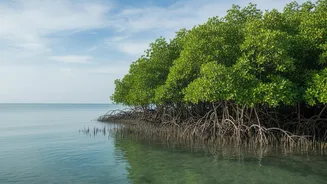
Enter the mangrove, a unique group of trees and shrubs that thrive in the salty, intertidal zone where land meets sea. These remarkable plants have evolved to survive in harsh coastal conditions. Their most incredible feature is their dense, tangled root system, which acts as a natural barrier. These roots anchor the trees firmly in the soil, trapping sediment and preventing it from being washed away by tides and waves. This process not only stops erosion but can actually help build up the shoreline over time. During cyclones and tsunamis, these forests act as formidable bio-shields, absorbing and dissipating the energy of waves and storm surges, reducing their destructive force by a significant margin and protecting the communities nestled behind them.
Community Action Along the Coromandel
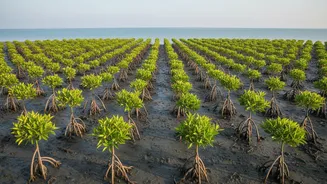
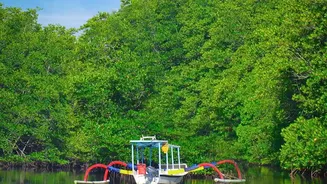
The power of mangroves is being harnessed not by large corporations, but by the very communities they protect. All along the eastern coast, local residents, often with the support of NGOs and government bodies, are leading restoration projects. In states like Odisha and Andhra Pradesh, organisations like the M.S. Swaminathan Research Foundation (MSSRF) have been working for decades to empower villagers. These initiatives train local people, especially women, in everything from setting up nurseries to planting saplings in degraded coastal mudflats. In the Kendrapara district of Odisha, women-led Village Mangrove Councils have successfully restored hectares of degraded forest, planting tens of thousands of saplings and boosting the local economy.
More Than Just a Green Wall
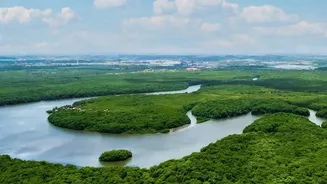
The benefits of these mangrove bio-shields extend far beyond just erosion control. These forests are biodiversity hotspots, serving as critical nursery and spawning grounds for numerous species of fish, crabs, and shrimp. This directly supports the livelihoods of local fishing communities, ensuring a more sustainable catch. Furthermore, mangroves are champions of carbon sequestration, capturing and storing vast amounts of carbon dioxide from the atmosphere—often more per hectare than terrestrial rainforests. This makes their restoration a vital tool in the fight against climate change. The forests also provide other resources like fodder for livestock and a basis for eco-tourism, creating diverse income streams for villages.
The Challenges and the Path Forward
Despite numerous success stories, the path to restoring India's mangrove cover is not without obstacles. Unsustainable aquaculture, industrial pollution, and urban expansion continue to threaten existing mangrove forests. Successful restoration requires deep community involvement and ownership to ensure the forests are protected for the long term. Initiatives like the central government's MISHTI (Mangrove Initiative for Shoreline Habitats & Tangible Incomes) scheme aim to provide a much-needed push, integrating mangrove plantation with livelihood generation. For these efforts to truly succeed, they must be built on local ecological knowledge and empower communities as the primary stewards of their natural defences.