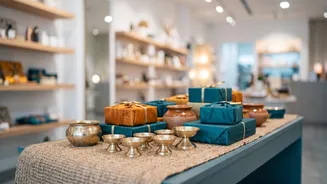








As India dives into the 2026 festive season, the economic mood is different. After a period of rising prices, how are consumers approaching spending? Recent market research reveals a story not of austerity, but of deliberate, value-conscious choices.
Cautious Optimism Defines the Mood
The ghost of inflation past is clearly influencing the present. While the festive spirit remains strong, consumers are approaching this year's shopping with a marked sense of caution. One survey from LocalCircles projects a 6% dip in urban discretionary spending, from ₹2.10 lakh crore in 2025 to ₹1.97 lakh crore in 2026. This suggests that while households are still opening their wallets, they are more mindful of budgets. According to a YouGov report, this sentiment is widespread, with 26% of consumers planning to stick to their budget but shop smarter, and another 23% intending to reduce non-essential buys. Only a small fraction, about 14%, expect to spend more than last year. This indicates a shift towards thoughtful purchasing rather than a complete spending freeze.
Value and Discounts Drive Decisions
This year, 'value' is the operative word. Consumers are actively seeking deals and making more considered purchases. According to a Saarva study, discounts remain the single biggest purchase trigger for 49% of urban consumers. However, value is not just about the lowest price. Convenience is a close second, with 38% stating it matters more than price, highlighting two distinct shopper mindsets. Research also shows that a vast majority of shoppers, around 73%, prefer a guaranteed reward over the chance to win a larger, uncertain prize, reinforcing a preference for tangible, assured benefits. This behaviour is a direct consequence of recent price pressures, which have trained households to look for the best possible deal and question the utility of every purchase before committing.
Apparel Leads, Big-Ticket Buys Are Mixed
When it comes to what's in the shopping cart, some categories are clear winners while others face a more challenging season. Apparel, footwear, and accessories remain the top priority, with surveys showing 47% to 72% of shoppers planning to spend in this category. This reflects the deep cultural tradition of buying new clothes for festive celebrations. In contrast, the outlook for big-ticket items is uneven. Consumer buying intent for passenger vehicles saw a significant 56% year-on-year jump in September, with motorcycles also seeing a 10% rise. However, intent to purchase home appliances like washing machines and refrigerators has declined. Jewellery, another festive staple, faces headwinds from sharp price increases, with inflation for gold and silver jewellery soaring.
The Undeniable Rise of E_commerce
The shift to online shopping continues to accelerate, with e_commerce emerging as a major engine of festive commerce. Projections for online sales during the 2026 festive season estimate growth of $25$-$29$, potentially reaching ₹$1.55$ lakh crore. This growth isn't just coming from metro cities. A significant portion of online demand, around $60$% for some major platforms, is now driven by consumers in Tier $2$ and smaller cities. This suggests that digital platforms are successfully expanding access to a wider variety of goods and deals. Interestingly, the data suggests this growth is powered by an increase in the number of orders rather than a larger average basket size, aligning with the broader trend of consumers making more frequent but smaller, value-$driven$ purchases.
The data paints a picture of a split market. On one hand, you have the 'value-$conscious$' shopper, who is budget-$minded$, hunts for discounts,$ and prioritises essentials and apparel. This group is more likely to be found shopping across both online and offline channels to compare prices. On the other hand is the 'convenience-$led$' consumer,$ who prioritises ease and experience,$ favours branded stores,$ and is more inclined towards electronics purchases.$ Furthermore,$ reports indicate a divide between salaried consumers,$ who show stronger spending intent ($82$%)$, and business owners ($65$%). This fractured landscape means brands cannot rely on a one-$size$-$fits$-$all$ strategy,$ needing to tailor their offers and messaging to different segments of the market.