




The Vibe: Dance Party vs. Mindful Burn
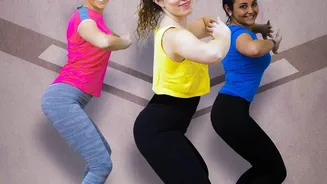
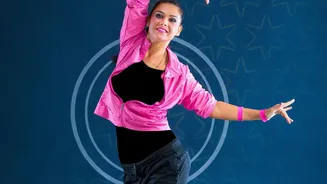
A Zumba class feels like a party. Set to upbeat Latin and international music, the focus is on moving, having fun, and letting loose. The choreography is designed to be easy to follow, and the group atmosphere is infectious and motivating. In contrast,
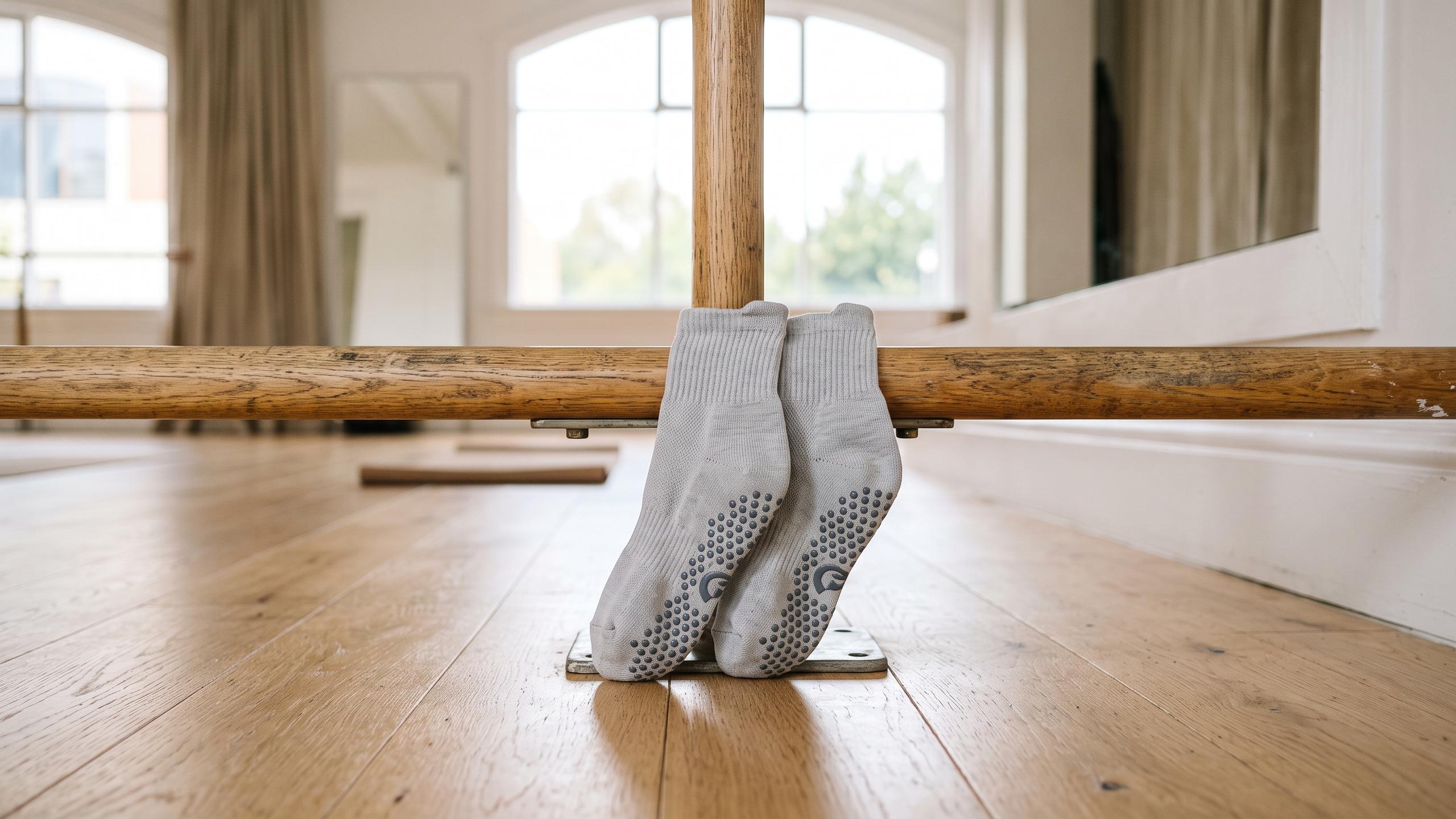
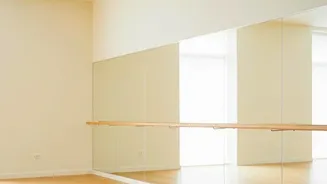
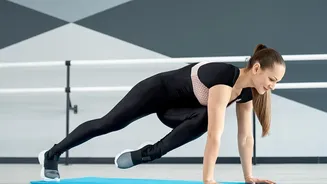
a Barre class is focused and precise. It combines elements of ballet, Pilates, and yoga. The atmosphere is calmer, with an emphasis on form, control, and connecting with the muscles you're working. The challenge comes not from fast-paced dancing, but from small, deliberate movements that push your muscles to the point of fatigue—that signature 'barre shake'.
The Movements: High-Energy vs. Low-Impact
Zumba is defined by its high-energy, full-body dance movements. A typical class is a form of interval training, alternating between fast-paced sequences with jumps, twists, and steps inspired by salsa, merengue, and cumbia, and slower, more moderate rhythms. This makes it a moderate-to-high impact workout, though instructors often provide low-impact modifications. Barre is the opposite. It is fundamentally a low-impact workout, meaning it's gentle on the joints. The movements are small, controlled, and often isometric, meaning you hold a position to engage the muscles. You'll use a ballet barre for balance while performing high-repetition exercises like pliés, leg lifts, and pulses that target specific muscle groups without any jumping or jarring motions.
The Goal: Cardio Health vs. Muscular Endurance
Zumba's primary benefit is cardiovascular fitness. The continuous, high-energy dance routines keep your heart rate elevated, improving stamina and burning a significant number of calories—anywhere from 300 to over 600 per class, depending on intensity. It's an effective way to support weight loss goals and boost heart health. Barre's main objective is to build muscular endurance, strength, and tone without adding bulk. The high-rep, low-weight exercises work muscles to exhaustion, creating long, lean definition. It excels at strengthening your core, improving posture, and enhancing stability and balance. While it burns fewer calories than Zumba, it helps increase your resting metabolic rate by building lean muscle.
The Results: How You'll Feel
After a Zumba class, you can expect to feel energised, sweaty, and mentally uplifted. The combination of music, movement, and social energy is a known stress reliever and mood booster. It’s a workout that also improves flexibility, coordination, and overall mobility through its varied dance steps. After a Barre class, your muscles, particularly your legs and glutes, will likely feel shaky but strong. You'll feel more aligned and aware of your posture. Over time, Barre creates a sculpted look and significantly improves core stability, balance, and flexibility, which translates to more graceful and efficient everyday movement.
Which One Is Right for You?
Choosing between Zumba and Barre comes down to your personality and fitness goals. If your priority is cardiovascular health, high energy fun,
and calorie burn,
and you love the idea of a workout that feels like a dance party,
Zumba is your clear winner.
It's ideal for those who want to lose weight in a lively,
motivating group setting.
If you're looking for a low impact workout that builds serious strength,
improves posture,
and meticulously tones your muscles,
Barre is the better fit.
It’s perfect for those who prefer a more controlled,
technical workout that’s challenging but safe for the joints.